The Different Roles In An Ant Colony!

In short
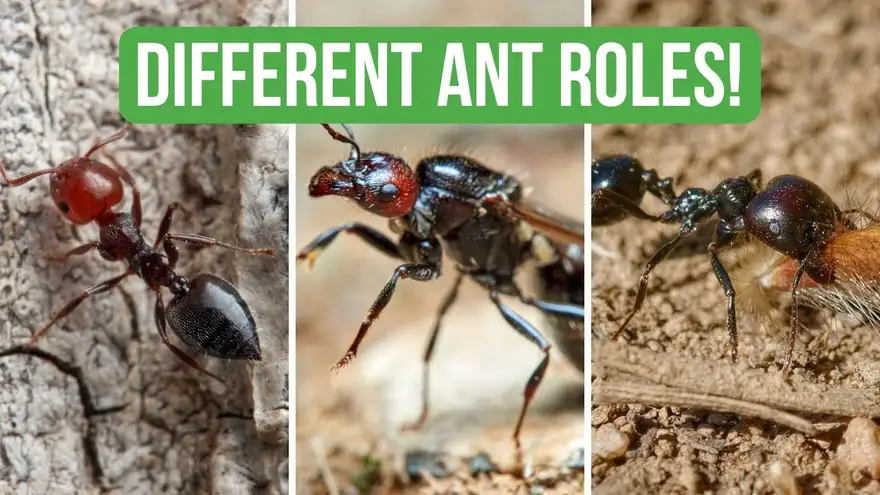
An ant colony has three main castes: the queen lays the eggs, males exist only to mate and then die or are driven out, and female workers forage, build and defend the nest and care for the brood. In some species, larger major workers handle heavy loads and defense.
Have you ever thought about how many roles there are in an ant colony? How many different types of ants exist?
Let's find out!
In this short article we’re going to explore the most common roles in an ant colony, listing every responsibility that each of them has, and explaining how they help the formicarium function at its best!
Let’s get right into it!
Introduction
Caste systems are a fascinating and complex aspect of ant societies, with each member of the colony fulfilling a specific role and function that is essential for the survival and success of the group. In most ant colonies, there are three main castes: queens, males, and workers. In some species, the workers are further divided into minor and major workers.
Before we start analyzing all the various roles we can find in an ant colony... Did you know that you can actually keep ants as little pets? Yes, you heard right! Ants as pets! If the idea intrigues you, I would suggest you check out my short article on why you should keep ants as pets!
Now let’s examine in detail the role that each one of them plays in the colony!
Queen Ants
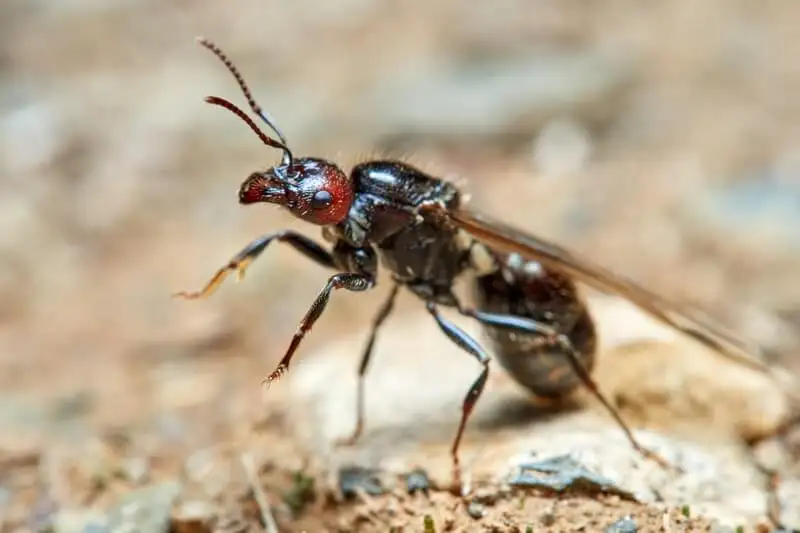 Photo: MACRONATURA/stock.adobe.com
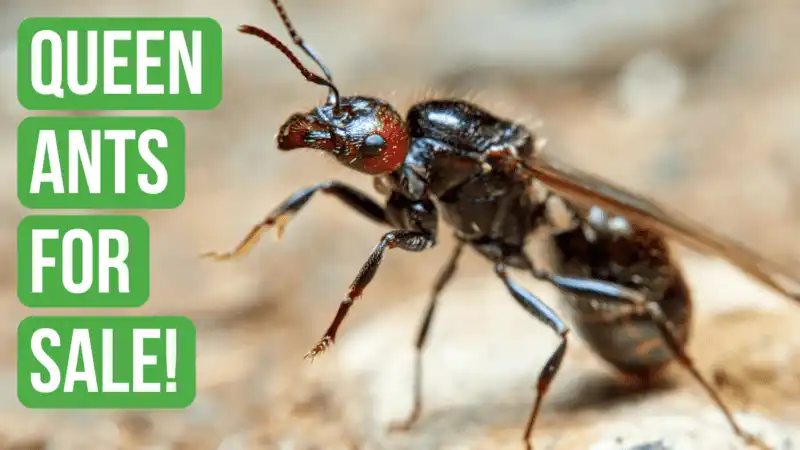
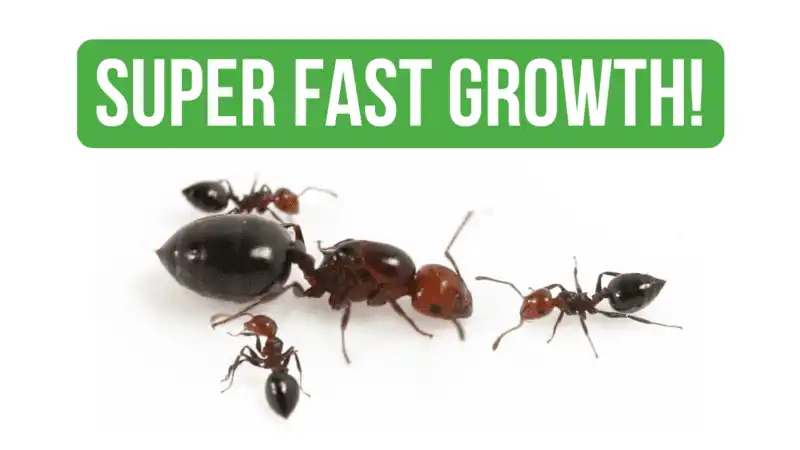
The queen ant is, without a doubt, the most important member of an ant colony. In the vast majority of cases, she’s the only reproductive member of the formicarium, and she’s essential for the survival and success of the colony.
The queen is responsible for laying eggs, which, with a little time and patience, will hatch into new ants, turning into the next generation of workers. She is typically much larger and longer-lived than the other ants, and, due to her crucial role, receives preferential treatment over all the other members of the colony.
Usually, the queen will mate with one or more male ants, known as drones, early in her life, and then spend the rest of her days solely focused on reproduction. From that day, she will start to lay eggs continuously, assisted by the worker ants designated to care for the young, until they are old enough to take on roles within the colony.
In some ant species, it is not unusual to encounter multiple queen ants within a single colony. These particular types of ant species are called polygynous and can accept multiple reproductive queens in the same formicarium, increasing the chance of survival for the colony.
We can be sure of one thing: without a healthy and productive queen ant, a colony would not be able to survive for much longer!
If you're interested in the amazing hobby called ant keeping and like the idea of starting your own ant colony, you should definitely check out my guide on where to find queen ants for sale! In this one, I explain where you can find them, the most important component for starting your little ant empire!
Male Ants
The role of male ants, also known as drones, varies depending on the species of ant. In the vast majority of cases, male ants only appear during the mating season, when they will compete with other males to mate with a queen ant. After mating, they will die or be driven out of the colony.
In a few species, males stay in the nest for longer, and in some rare cases they even mate inside the nest. However, their only purpose is reproduction: they don't forage, defend the colony, or take care of the brood.
Male ants are usually smaller than the queen and often look quite different from the workers, with big eyes, a small head and wings built for the nuptial flight. Their mandibles are usually weak, so they are of little use in combat or defense.
Despite their key role in reproduction, male ants are generally not as essential to the colony's daily life as queens or female worker ants. Once they have mated, their job is done, and they do not contribute to the care and upbringing of the young ants. In some cases, they may even be considered a burden on the colony, as they require precious food and resources without providing much in return.
Worker Ants
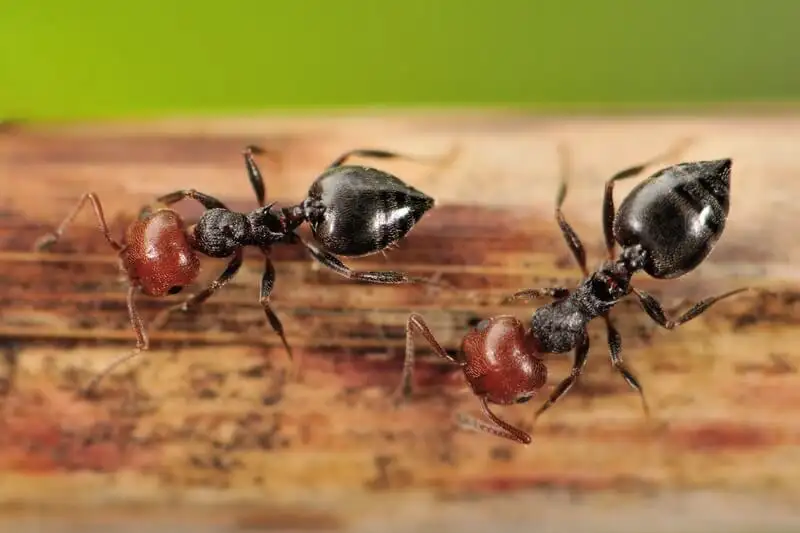 Photo: fabiosa_93/stock.adobe.com
The role of worker ants is crucial for the overall success and survival of the colony. As the most numerous members of the colony, worker ants are responsible for performing a wide range of tasks and duties that help to keep the colony functioning.
In most cases, worker ants are typically female and are not capable of reproduction. Instead, they devote their lives to caring for the young ants by tending to the eggs laid by the queen ant and by performing all the tasks needed to maintain a healthy and thriving colony. This includes foraging for food, building and maintaining the nest, and defending the colony from threats.
In some ant species, worker ants may also have specialized roles within the colony. For example, some worker ants may be tasked with scouting for new sources of food or potential threats, while others may be responsible for caring for the young ants or maintaining the nest.
The ability of worker ants to adapt to the needs of the colony is one of the reasons that ants are such successful and organized insects. As the colony grows and changes, worker ants adjust their behaviors and the list of tasks to be performed accordingly to ensure the brightest possible future for the formicarium!
If you, like me, really like ants, you can't miss my article on 10 mind-blowing facts about ants! In this one, I list them all, one by one, for these fantastic tiny animals!
Major Workers
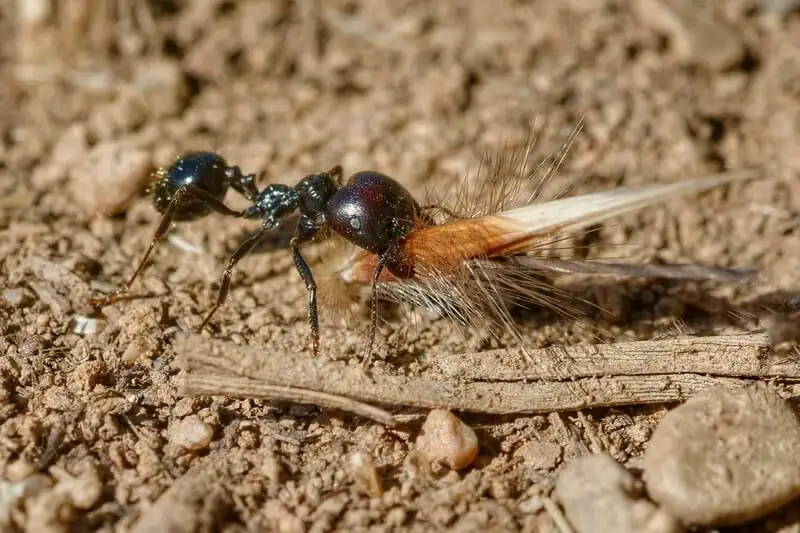 Photo: André LABETAA/stock.adobe.com
In some species of ants, the workers come in different sizes. The bigger ones are called major workers, and as the name suggests, they are usually larger and more heavily built than normal worker ants.
The main role of major workers is to perform tasks that require more strength and endurance than the typical worker ant. They are usually responsible for tasks such as foraging for food, carrying heavy loads, or defending the colony from various types of threats.
While major workers may not be as numerous as the other worker ants in the colony, their role is still essential for the colony’s success. They are able to perform tasks that other ants are not capable of, and their physical abilities help ensure the continued survival and growth of the colony.
In short, these specialized types of worker ants are extremely helpful in ensuring that the colony functions efficiently and effectively, performing tasks that other ants have difficulty doing!
Conclusions
The division of labor within a colony is, without a doubt, a fascinating and complex phenomenon. The caste system in ant societies continues to intrigue and fascinate researchers and enthusiasts alike, highlighting the enormous intelligence and organizational skills of these little insects!
If you are new to this fantastic hobby called ant keeping, you should definitely check out my tutorial on how to start ant keeping with less than $1! In this one, I explain in detail how to get started with as little as $1! That’s a steal!
FAQs
5The main castes in an ant colony are queens, males, and workers. In some species, the workers are further divided into minor and major workers. Each member fulfills a specific role that is essential for the survival and success of the group, which is what makes ant societies so fascinating.
Queen ants are responsible for laying eggs and are the primary reproductive members of the colony. In the vast majority of cases, the queen is the only reproductive member. She is typically much larger and longer-lived than the other ants, and without her the colony would not survive for long.
No. Male ants exist only to mate: they don't forage, defend the colony or care for the brood, and they usually die soon after mating. Their mandibles are usually weak, so they are of little use in combat, and they can even be a burden because they need food without giving much in return.
Worker ants perform a wide range of tasks that keep the colony functioning, such as foraging for food, caring for the young, building and maintaining the nest, and defending the colony from threats. As the most numerous members of the colony, they adjust their tasks as the colony grows and changes.
Major workers are the bigger workers found in some ant species, usually larger and more heavily built than normal workers. They handle tasks that need more strength and endurance, such as foraging for food, carrying heavy loads and defending the colony. Their role is still essential to the colony's success.

Author
Bruma