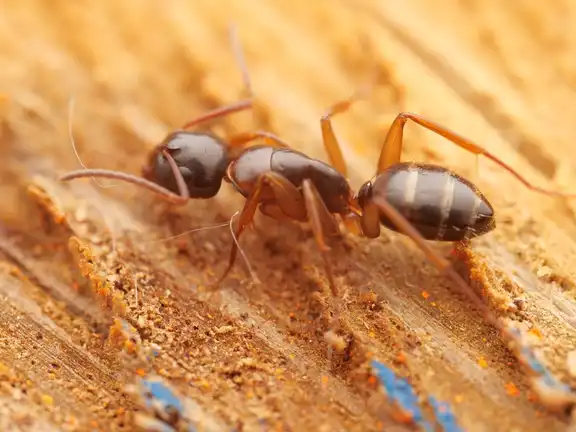
Camponotus fallax
DifficultyIntermediate · 5/7
Species comparison
Side by side: difficulty, size, growth, climate, hibernation and nuptial flights, from the data and sources of each species sheet.
| Camponotus fallax | Fact | Camponotus nicobarensis |
|---|---|---|
| Keeping | ||
| Difficulty | ||
5/7 Intermediate | Difficulty | Easier4/7 Beginner |
| Escape risk | ||
LowerMedium | Escape risk | High |
| Diet | ||
SugarInsects | Diet | SugarInsects |
| Best nests | ||
Wooden nest · Ytong nest · Naturalistic setup | Best nests | Ytong nest · Acrylic nest · Wooden nest |
| Colony | ||
| Growth | ||
Moderate | Growth | FasterVery fast |
| Colony size | ||
Reaches 300 workers | Colony size | Reaches 10,000 workers |
| Workers | ||
4–8 mm majors up to 9 mm | Workers | 5–8 mm majors up to 12 mm |
| Queen | ||
8–11 mm | Queen | 14–16 mm |
| Colony founding | ||
Fully claustral One queen | Colony founding | Fully claustral One queen |
| Defense | ||
Bites · Sprays formic acid | Defense | Bites · Sprays formic acid |
| Climate | ||
| Nest temperature | ||
21–27 °C | Nest temperature | 22–28 °C |
| Nest humidity | ||
40–50 % | Nest humidity | 50–70 % |
| Hibernation | ||
5–10 °C Nov – Mar | Hibernation | Not needed |
| Nuptial flights | ||
Apr – Jun Hot days | Nuptial flights | Mar – Jun |
| Native range | ||
Europe, North Africa, Middle East | Native range | Asia |
Camponotus fallax
Camponotus nicobarensis
Camponotus fallax : Hibernation: Nov – Mar, Nuptial flights: Apr – Jun
Camponotus nicobarensis : Nuptial flights: Mar – Jun
Months in the native range of the species. The weather decides the exact days, and colonies kept indoors can follow a different rhythm.
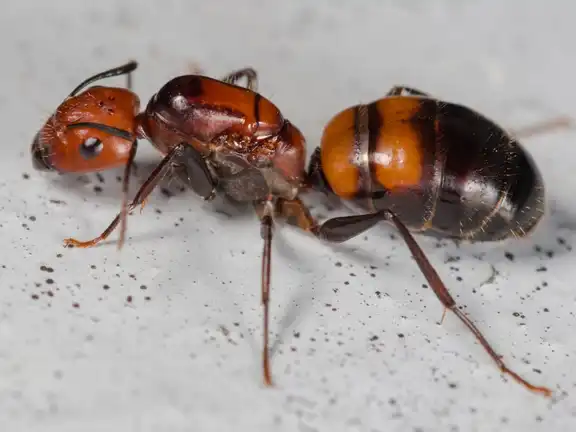
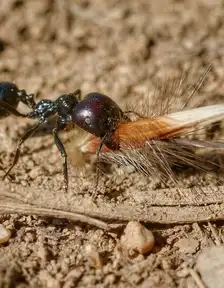
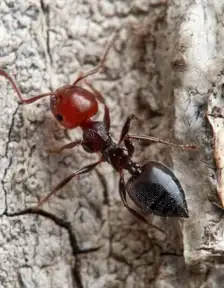
Slender dark ants with sparse hairs, paler legs and pale edges on the gaster segments, usually black but sometimes with a reddish pronotum or thorax, mostly in the south, plus a few broad-headed majors, that freeze or sprint away when disturbed. Keepers mix them up with Camponotus piceus, C. lateralis and the rare C. tergestinus, so a microscope check is needed to be sure, and the notch in the front edge of the clypeus is the quickest clue.
Brown to reddish-brown workers of many sizes, from small minors to much larger majors, with long, dense, erect hairs all over the body. The gaster is plain brownish, not banded in black and yellow like the similar Camponotus habereri, and colors vary with the origin of the stock, which is why some shops list it as 'cf. nicobarensis'.
Take the 1-minute species finder quiz and get matched with the perfect species for your experience, your space and what you'd love to watch.