Camponotus fallax
(Nylander, 1856)
A shy, slender tree dweller that freezes when startled, nests in dead branches and keeps its colony small.
Compiled from published sources and keeper reports: I haven't kept this species myself, so treat the care values as starting points.
At a glance
- Nest temperature
- 21–27 °CIn the nest
- Nest humidity
- ≈ 40–50 %In the nest
- Hibernation
- ≈ 5–10 °CNov – Mar
- Nuptial flights
- Apr – JunAfternoon flights
- Workers
- 4–8 mmmajors up to 9 mm
- Queen
- ≈ 8–11 mmOne queen
- Colony size
- ≈ Reaches 300 workersGrowth: Moderate
- Escape risk
- MediumKeep an escape barrier on the outworld
Year at a glance
Hibernation : Nov – Mar
Active season : Apr – Oct
Nuptial flights : Apr – Jun
- Afternoon flights
- Hot days
Months for temperate Europe and the Mediterranean. The weather decides the exact days, so flights can come earlier or later where you live.
How to recognize it
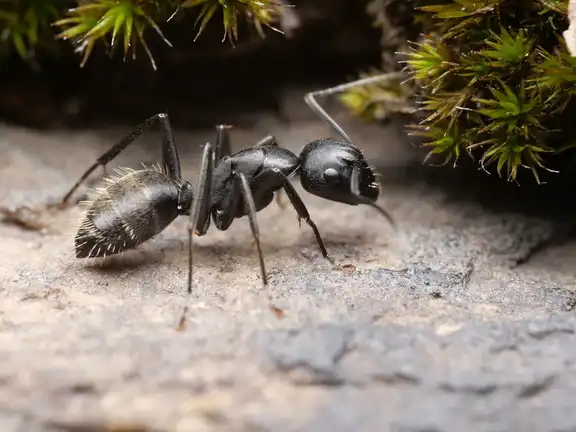
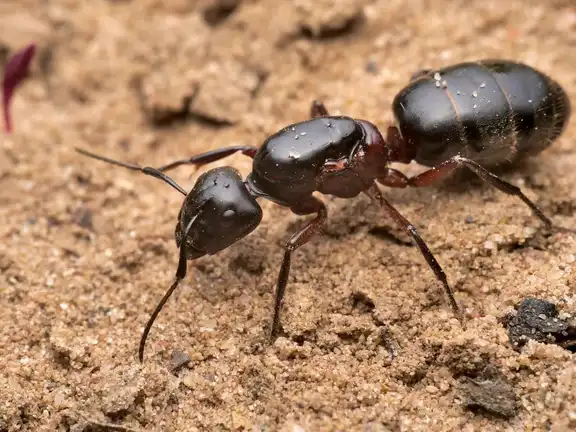
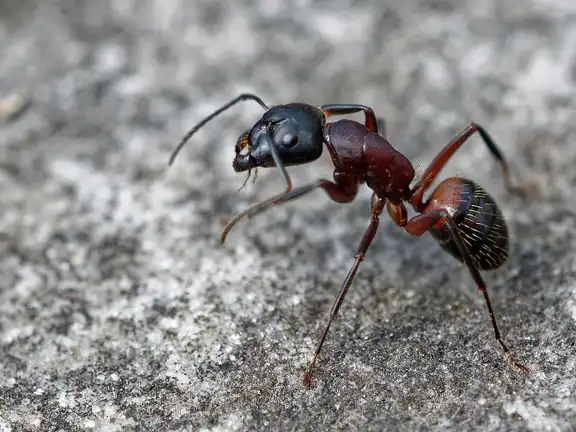
Slender dark ants with sparse hairs, paler legs and pale edges on the gaster segments, usually black but sometimes with a reddish pronotum or thorax, mostly in the south, plus a few broad-headed majors, that freeze or sprint away when disturbed. Keepers mix them up with Camponotus piceus, C. lateralis and the rare C. tergestinus, so a microscope check is needed to be sure, and the notch in the front edge of the clypeus is the quickest clue.
Often confused with
- Camponotus piceus
- Camponotus tergestinus
- Camponotus lateralis
- Workers4–8 mm
- Majors≤ 9 mm
- Queen8–11 mm
mm
Biology
- Queens
- One queenEach colony has a single queen: never put two queens together once the first workers arrive.In the glossary
- Colony founding
- Fully claustralThe queen raises her first workers without eating, living off her wing muscles and fat reserves.In the glossary
- Workers
- Many sizesThe workers come in a continuous range of sizes, from small minors to large majors.In the glossary
- Defense
- Bites · Sprays formic acidNo sting: the workers bite and spray formic acid, which can sting small cuts.
Native range
- Europe
- North Africa
- Middle East
Austria, Croatia, Czechia, France, Germany, Hungary, Italy, Morocco, Poland, Portugal, Russia, Spain, Switzerland, Türkiye, Ukraine
Taxonomy
Formicinae › Camponotini
Camponotus
Care at a glance
Difficulty
Why this rating
- Makes it easier: Fully claustral: the queen needs no food until her first workers arrive
- Makes it harder: Curious workers: keep an escape barrier on the outworld
- Makes it harder: Needs a cold hibernation, for example in a fridge
Food
- Sugar
- Insects
Sugar or honey water for the workers, and insects as protein for the queen and the brood.
Best nests
- 1Wooden nest
- 2Ytong nest
- 3Naturalistic setup
Notes from keepers
Tip
Copy the dead wood a founding queen would choose: a cardboard or wood mat in the test tube or a small wooden chamber, darkness and quiet. Offer a drop of honey in the first days, with a small soft insect if you like, since the queens take the honey far more eagerly, then take everything out after a day and leave her alone, because this queen is nervous and slow to start.
Watch out
Small workers drown easily. One Italian colony died when its workers dug into the cotton of the water tank while the keeper was away, and in the same diary thread another keeper reported that carpenter ant workers kept drowning in sugary liquid despite rescue twigs, so offer honey in small drops and keep any cotton plug of a water tank out of their reach.
Tip
Plan for a tiny, slow colony. Well-kept colonies stayed at a handful of workers after their first summer and reached a few dozen in the second year, and the workers mostly forage at dusk and at night, so look in the evening.
Watch out
Mind the damp in winter. These tree dwellers take real cold: one colony in an insulated box on a balcony came through freezing nights and cold spells without losses. An Italian keeper lost all his workers in one winter rest to what he believed was a humidity problem, and another felt a closed box in a cellar was too warm and too damp.
Related posts
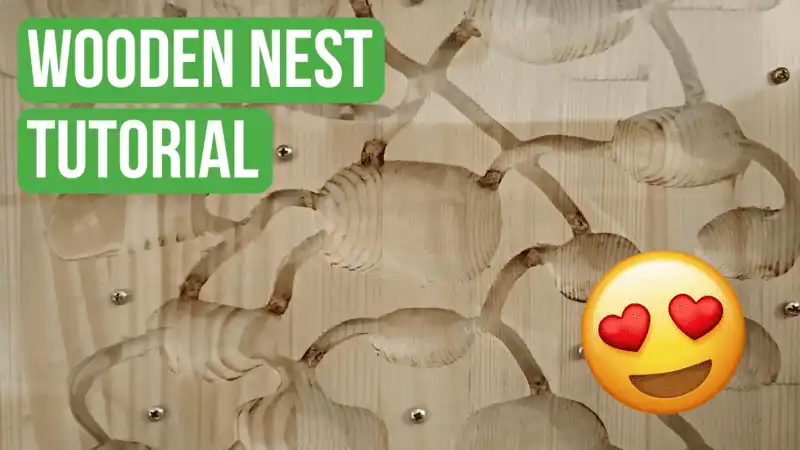
How to Make a Wooden Nest - Ant Keeping Tutorial
In this tutorial, you will learn how to make a wooden nest for your ant colonies! This type of nest is perfect for species that love wood!
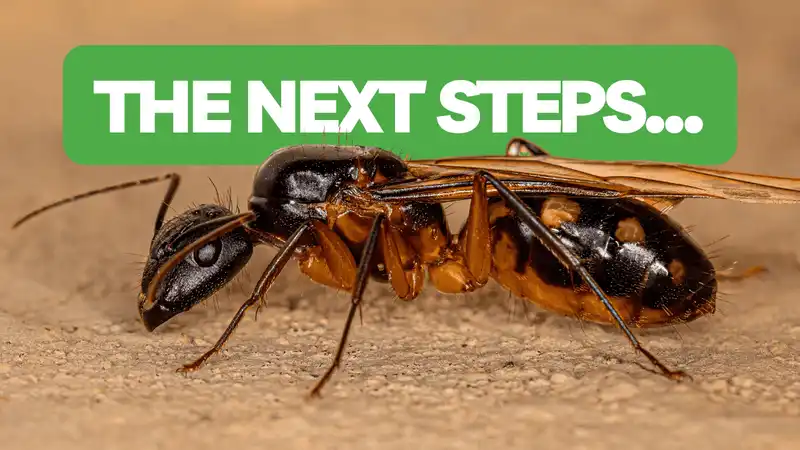
What To Do After Catching Your First Queen Ant!
In this short guide, you’re going to learn what steps you need to take after catching your very first queen ant! Let's get into it!

How To Hibernate Your Ants - Hibernation Tutorial
In this guide, we’re going to talk about hibernation: What is it? Why do ants need hibernation? Should I hibernate my ants? Let's see!
FAQs
10It is the species' main defense. Keepers report that a disturbed worker presses itself to the ground and stays motionless for up to several minutes, depending on how strong the disturbance is, and if that fails it runs off so fast that the eye struggles to follow it. In the wild the workers forage singly and are described as fugitive, and most sources describe a peaceful species that avoids other ants instead of fighting them.
In dead wood, from stumps to high branches. Colonies live under bark or in dead branches of old trees in open woodland, parks, avenues and orchards, and sometimes in old roof timbers and beehives. In central Spain two colonies were found in bird nest boxes that had been left by spotless starlings and were occupied by hornets. In northern Italy one keeper found nests mostly in dead oak stumps on the ground, each with a single entrance and only one or two small chambers.
Locally, yes. It is listed as critically endangered in the Swedish Red List and on the early-warning list of Germany, and it is scattered and rarely abundant, with the loss of old trees and dead wood named as the main reason for its decline. A Red List is a warning about wild populations and not a ban, but German keepers advise against taking wild queens or colonies in such regions.
Camponotus fallax workers measure 4–8 mm, with majors up to 9 mm, and the queen measures 8–11 mm.
Just one. Camponotus fallax is monogyne: each colony has a single queen, so never put two queens together once the first workers arrive.
No. Camponotus fallax has no sting: the workers bite and spray formic acid, which can sting small cuts.
In temperate Europe and the Mediterranean, Camponotus fallax usually flies in Apr – Jun. The weather decides the exact days.
Keep the Camponotus fallax nest at 21–27 °C, with 40–50 % humidity in the brood chambers.
Yes. Hibernate Camponotus fallax at 5–10 °C, roughly during Nov – Mar.
Camponotus fallax is not on the EU list of invasive alien species and is not protected in the countries we checked. Rules differ between countries and can change, so check your local laws first.
Sources and review
- 1Collingwood (1979), Fauna Entomologica Scandinavica 8: The Formicidae (Hymenoptera) of Fennoscandia and Denmark, treatment of Camponotus fallax (Plazi TreatmentBank)
Book · Taxonomy, Biology, Distribution, Nuptial flights
- 2
- 3
- 4AntWiki: Camponotus fallax
Reference · Taxonomy, Distribution
- 5
Showing 5 of 30 sources
Last reviewed
- BiologyKeeper consensus
- Care valuesKeeper consensus
- Nuptial flightsKeeper consensus
Legal status
Not on the EU list of invasive alien species and not protected in the countries we checked. Rules differ between countries and can change, so check your local laws before buying or collecting a queen.
Checked on October 11, 2026
All values are starting points: watch your colony and adjust. Found something wrong or missing?
Suggest a correction