Ant species
Temperature, humidity, hibernation, size and nuptial flights for every species, with sources and review dates.
- species
- 45
- genera
- 24
- languages
- 7
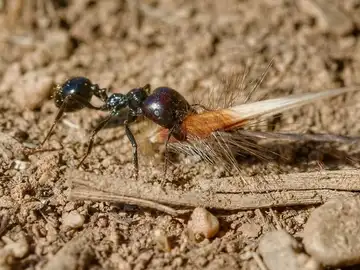
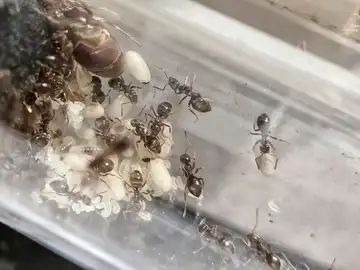
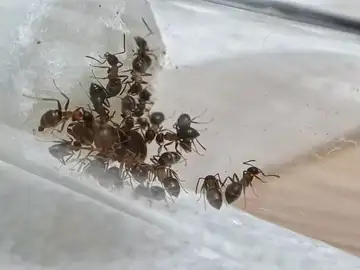
45 species
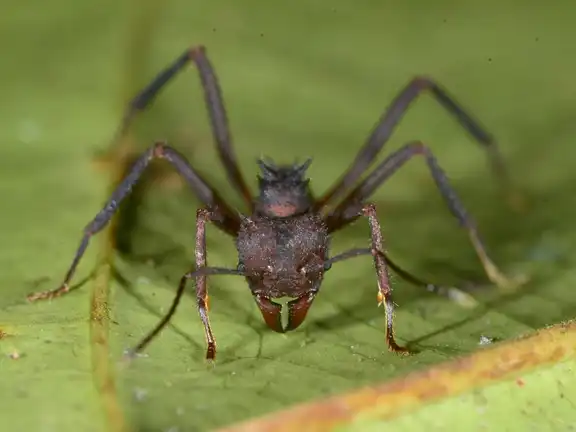 Advanced
Acromyrmex octospinosus
A spiny, rough-skinned leafcutter that farms fungus on roses and bramble and cuts flowers and fruit as eagerly as leaves.
- Nest
- 23–27 °C
- Size
- 2–12 mm
- Winter
- None
View sheet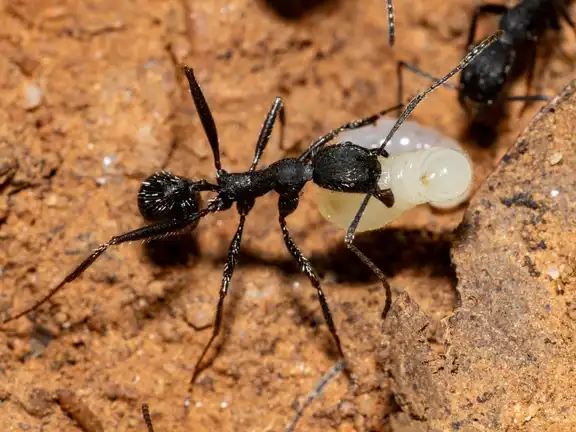 Beginner
Aphaenogaster senilis
A long-legged, restless hunter that spreads by splitting its colony instead of flying, and carries liquid food home on bits of debris.
- Nest
- 21–27 °C
- Size
- 5–7 mm
- Winter
- 12–16 °C
View sheet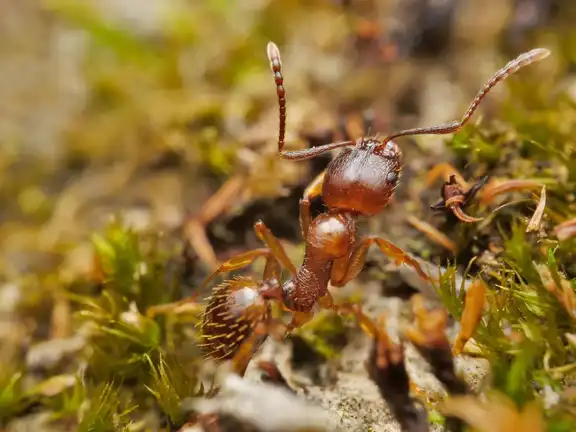 Beginner
Aphaenogaster subterranea
A slender, secretive forest ant that nests under stones, hunts quietly in the leaf litter and carries sweet liquids home on soaked grains of soil.
- Nest
- 20–26 °C
- Size
- 3–5 mm
- Winter
- 8–12 °C
View sheet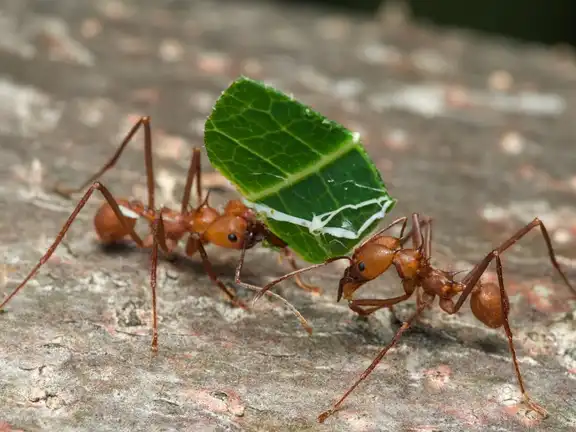 Advanced
Atta cephalotes
Hairy-headed leafcutter ant
The classic leafcutter: shiny red-orange workers of every size carry cut leaf pieces home to feed a living fungus garden.
- Nest
- 23–27 °C
- Size
- 2–18 mm
- Winter
- None
View sheet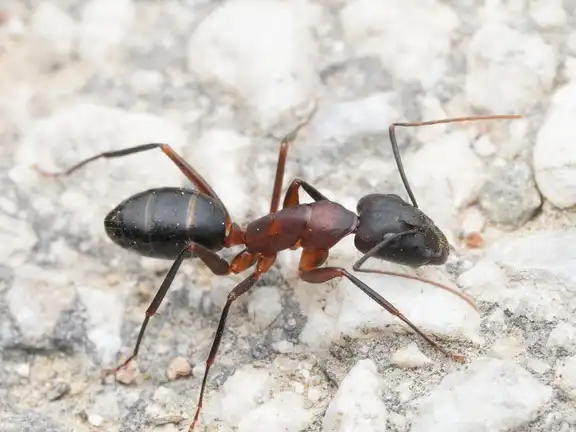 Beginner
Camponotus barbaricus
A shy, mostly nocturnal giant of the western Mediterranean that starts slowly, then grows into a huge colony once it has real warmth.
- Nest
- 25–30 °C
- Size
- 6–16 mm
- Winter
- 12–18 °C
View sheet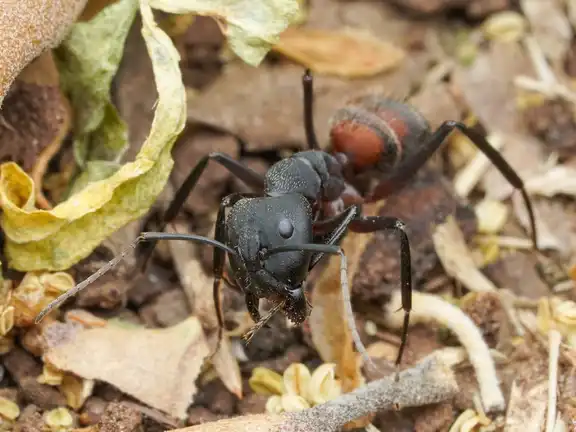 Intermediate
Camponotus cruentatus
Blood-spotted sugar ant
A matte-black Mediterranean giant with a rust-red band across its gaster, shy while small and fiercely territorial once the colony grows.
- Nest
- 25–30 °C
- Size
- 6–15 mm
- Winter
- 10–15 °C
View sheet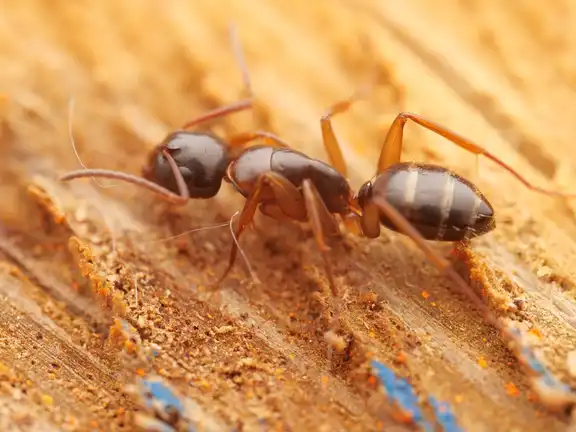 Intermediate
Camponotus fallax
A shy, slender tree dweller that freezes when startled, nests in dead branches and keeps its colony small.
- Nest
- 21–27 °C
- Size
- 4–9 mm
- Winter
- 5–10 °C
View sheet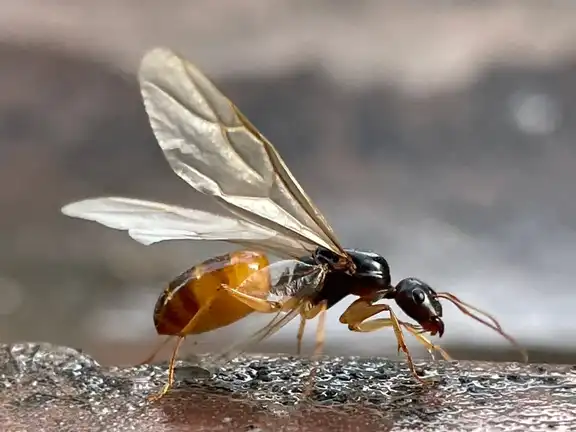 Beginner
Camponotus fedtschenkoi
Yellow carpenter ant
A pale golden carpenter ant from the dry steppes of Central Asia that digs its nest in the ground and comes out at night.
- Nest
- 24–28 °C
- Size
- 4–12 mm
- Winter
- 15–18 °C
View sheet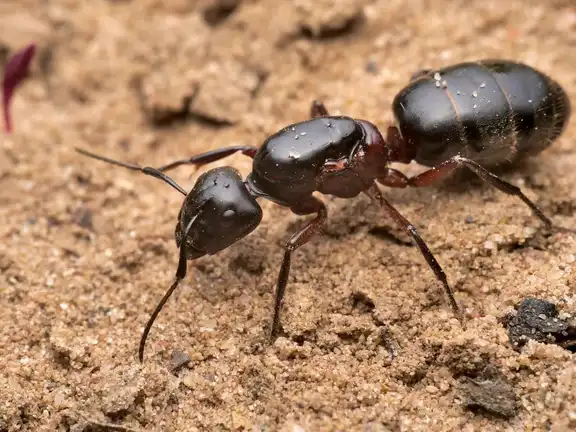 Beginner
Camponotus herculeanus
Hercules ant
A cold-hardy black giant of northern conifer forests that carves its nest into old stumps and standing trees.
- Nest
- 18–25 °C
- Size
- 6–13 mm
- Winter
- 5–8 °C
View sheet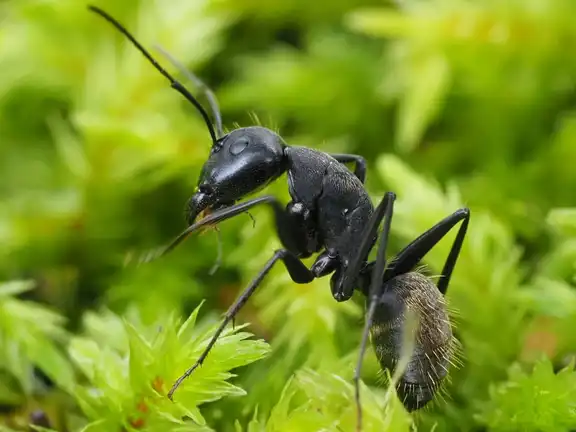 Beginner
Camponotus japonicus
Japanese carpenter ant
A sturdy, matte-black giant of East Asian fields and parks that builds up slowly, yet can follow the same queen for many years.
- Nest
- 22–28 °C
- Size
- 6–14 mm
- Winter
- 8–12 °C
View sheet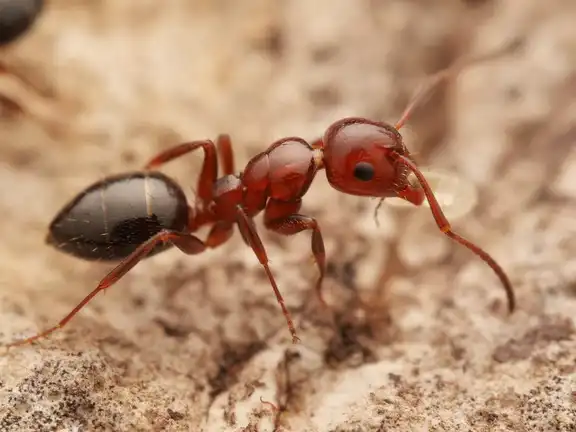 Beginner
Camponotus lateralis
A small, shy carpenter ant with a red head and a black gaster that passes itself off as an acrobat ant and shadows its trails to find food.
- Nest
- 21–27 °C
- Size
- 3–7 mm
- Winter
- 8–12 °C
View sheet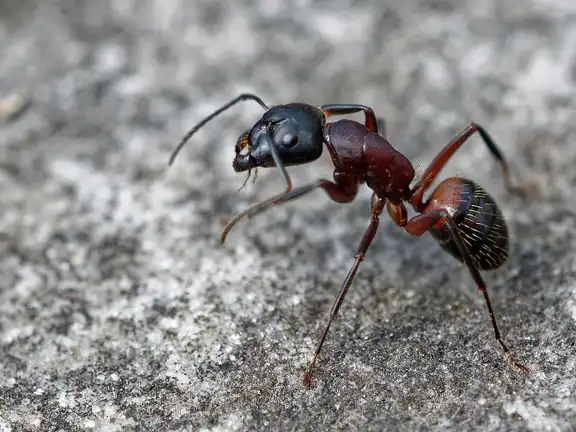 Beginner
Camponotus ligniperda
Brown-black carpenter ant
One of Europe's biggest ants, a glossy red-and-black giant that lives by its own slow seasonal clock.
- Nest
- 20–25 °C
- Size
- 6–14 mm
- Winter
- 5–8 °C
View sheet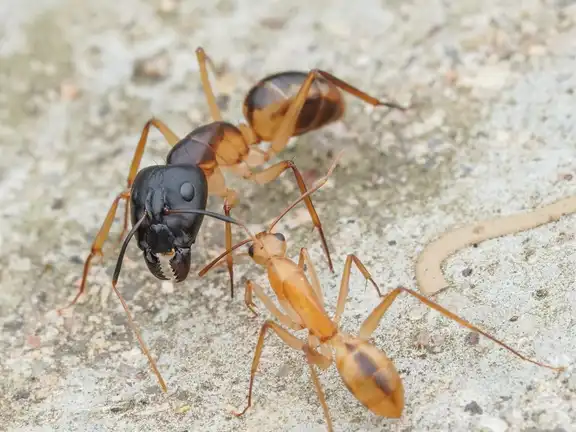 Beginner
Camponotus maculatus
Spotted sugar ant
A fast-growing, big-headed carpenter ant from Africa with a yellowish thorax and a spotted gaster, and no need for a winter rest.
- Nest
- 24–28 °C
- Size
- 6–16 mm
- Winter
- None
View sheet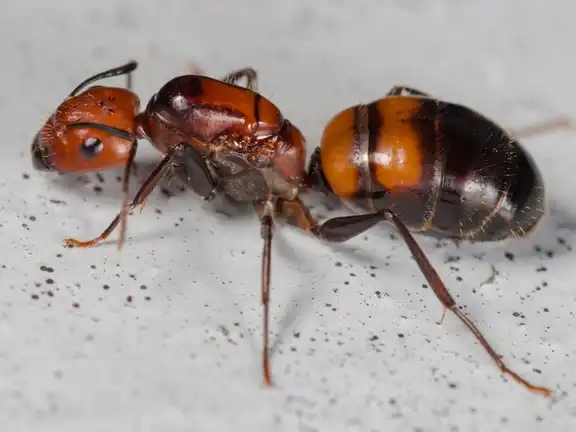 Beginner
Camponotus nicobarensis
Nicobar carpenter ant
An adaptable, fast-growing carpenter ant from Asia that forages mostly by night and does not need a winter rest.
- Nest
- 22–28 °C
- Size
- 5–12 mm
- Winter
- None
View sheet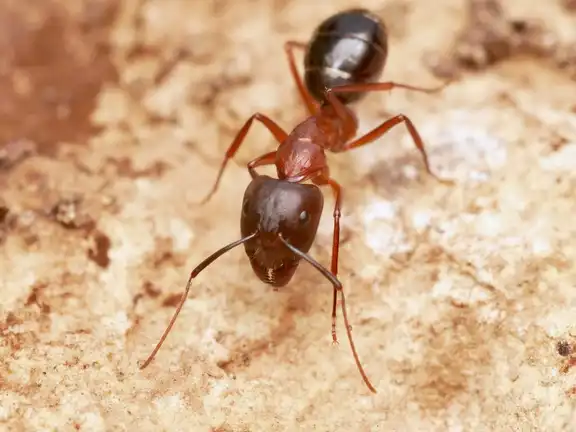 Beginner
Camponotus sylvaticus
A long-legged, red-and-black Mediterranean carpenter ant that sprints out of reach after dark and needs a few patient years to grow into a big colony.
- Nest
- 22–28 °C
- Size
- 6–15 mm
- Winter
- 8–14 °C
View sheet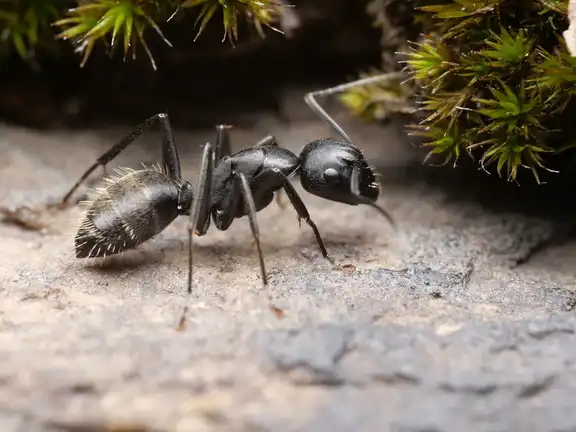 Intermediate
Camponotus vagus
Hairy carpenter ant
A fast, hairy, matte-black giant that sprints over sun-baked deadwood and bullies its neighbors at the food.
- Nest
- 22–28 °C
- Size
- 6–13 mm
- Winter
- 5–10 °C
View sheet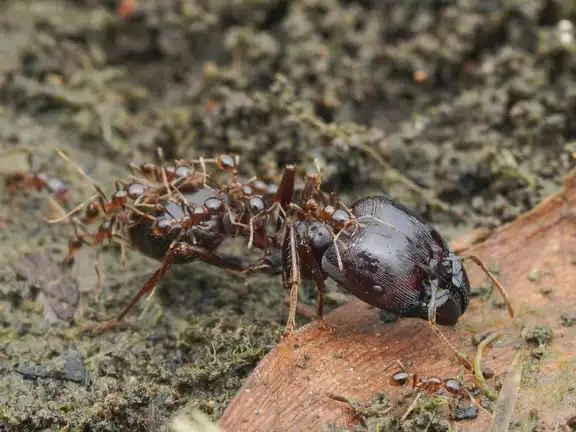 Advanced
Carebara diversa
Asian marauder ant
A raiding marauder whose columns of tiny workers and giant-headed majors look like army ants, with the smallest workers riding on the biggest.
- Nest
- 26–30 °C
- Size
- 2–15 mm
- Winter
- None
View sheet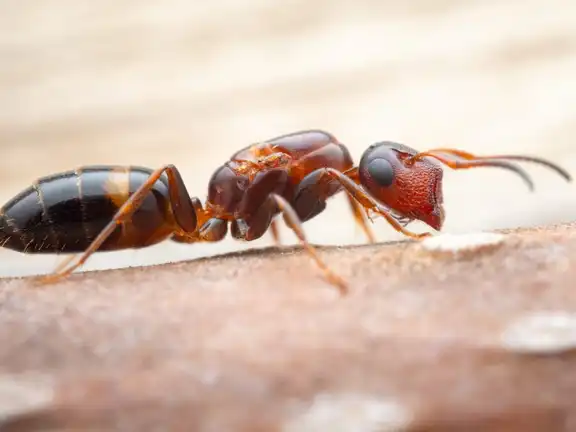 Intermediate
Colobopsis truncata
European gate-keeper ant
A shy tree dweller whose soldiers, and the queen herself, seal the nest door with flat, plug-shaped heads.
- Nest
- 21–28 °C
- Size
- 3–6 mm
- Winter
- 5–10 °C
View sheet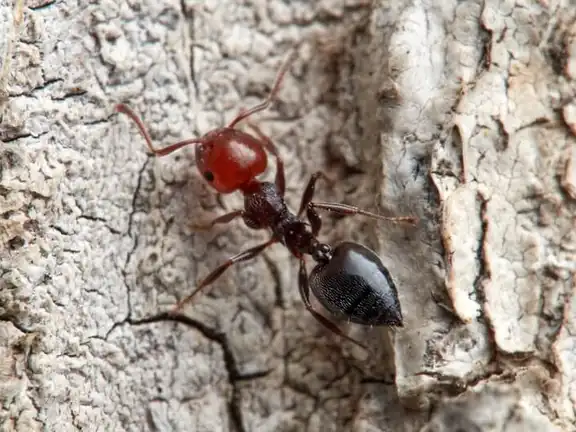 IntermediateKept by Bruma
Crematogaster scutellaris
Acrobat ant
Raises its heart-shaped gaster when disturbed and loves nesting in wood.
- Nest
- 21–25 °C
- Size
- 3–5 mm
- Winter
- 8–12 °C
View sheet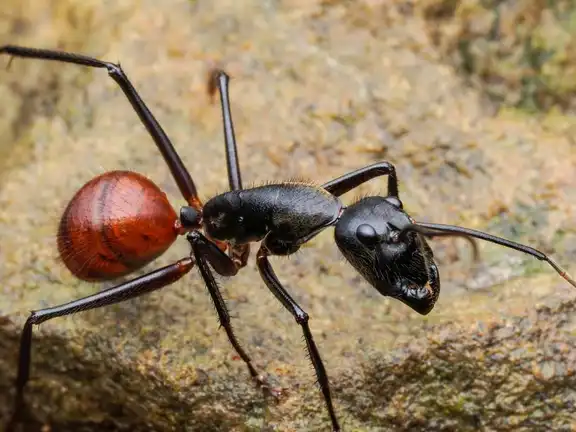 Advanced
Dinomyrmex gigas
Giant forest ant
A night-active giant of the Southeast Asian rain forests, whose sprawling colonies settle border disputes with ritual tournaments between big-headed majors.
- Nest
- 22–26 °C
- Size
- 18–30 mm
- Winter
- None
View sheet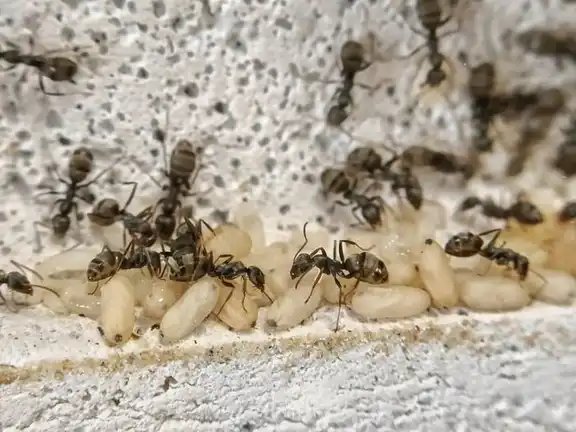 IntermediateKept by Bruma
Formica cinerea
Big, fast and nervous: a formic acid sprayer that can reach 10,000 workers.
- Nest
- 21–27 °C
- Size
- 4–8 mm
- Winter
- 5–8 °C
View sheet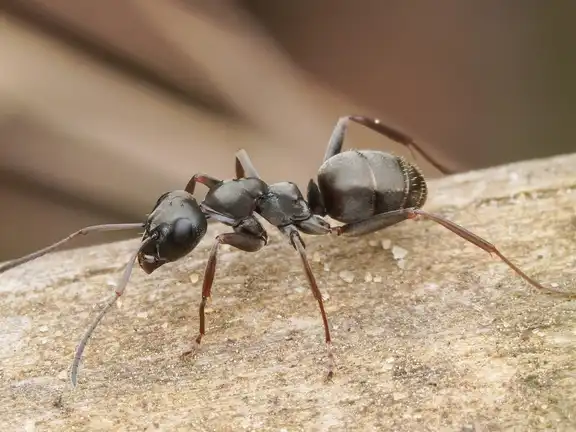 Beginner
Formica fusca
Silky ant
A shy, quick-footed black ant that forgives beginner mistakes and is the classic host of slave-making ants.
- Nest
- 21–25 °C
- Size
- 4–7 mm
- Winter
- 5–8 °C
View sheet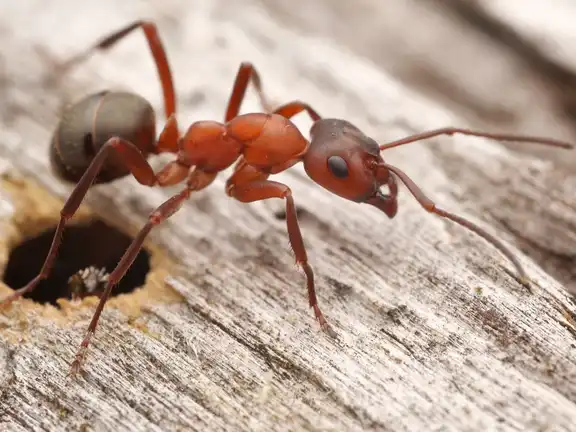 Intermediate
Formica sanguinea
Blood-red ant
A bold red-and-black raider that steals the pupae of other Formica to raise as helpers, and a project for keepers who already know the basics.
- Nest
- 21–26 °C
- Size
- 6–9 mm
- Winter
- 5–8 °C
View sheet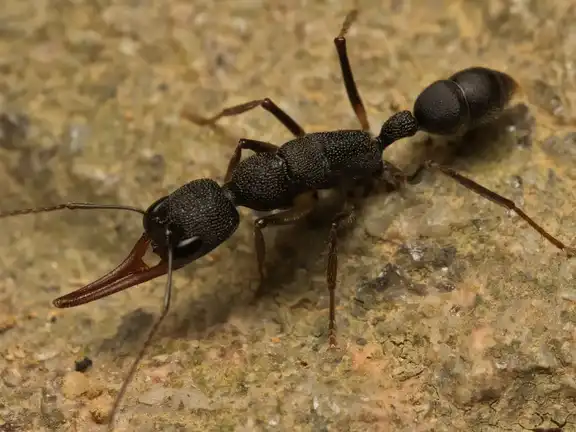 Intermediate
Harpegnathos venator
Giant jumping ant
A sharp-eyed, sickle-jawed hunter that freezes, wiggles its gaster and then leaps onto its live prey.
- Nest
- 24–28 °C
- Size
- 14–18 mm
- Winter
- None
View sheet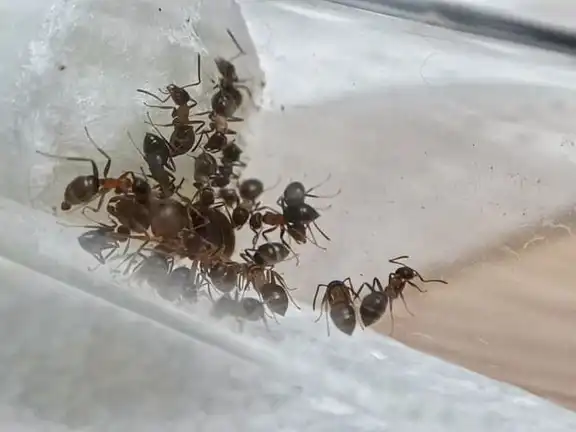 BeginnerKept by Bruma
Lasius emarginatus
A small, fast-growing Lasius with a reddish thorax that loves to dig tunnels.
- Nest
- 21–27 °C
- Size
- 3–5 mm
- Winter
- 5–8 °C
View sheet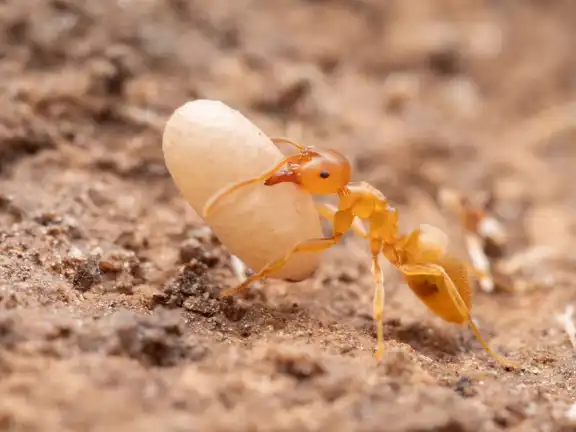 Beginner
Lasius flavus
Yellow meadow ant
A shy, golden-yellow soil dweller that herds root aphids and raises grassy mounds in old meadows.
- Nest
- 20–25 °C
- Size
- 2–5 mm
- Winter
- 5–8 °C
View sheet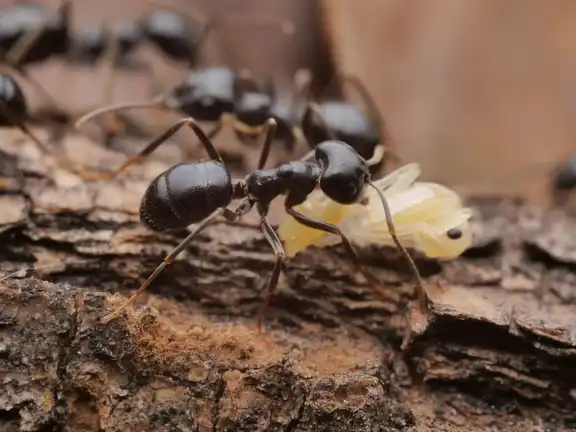 Advanced
Lasius fuliginosus
Jet black ant
A glossy black, sweet-smelling carton builder that cannot start a colony without borrowing another ant's workers.
- Nest
- 20–26 °C
- Size
- 4–6 mm
- Winter
- 5–8 °C
View sheet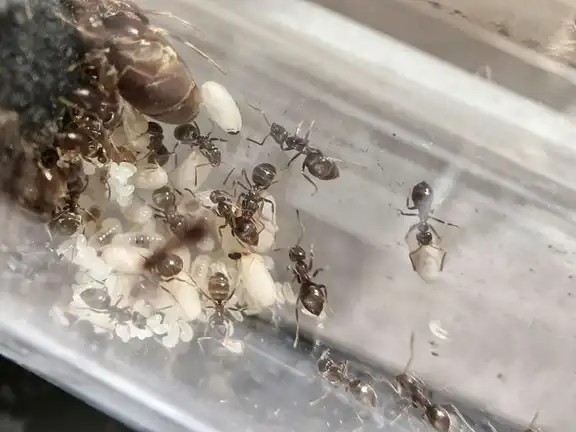 BeginnerKept by Bruma
Lasius niger
Black garden ant
Adaptable, undemanding and found in almost every garden: the classic first colony.
- Nest
- 23–25 °C
- Size
- 3–5 mm
- Winter
- 8–12 °C
View sheet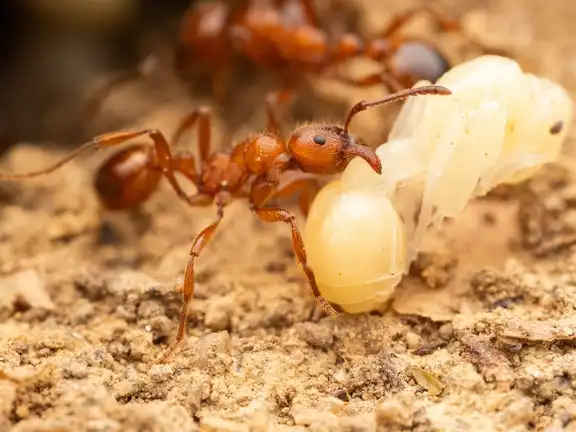 Advanced
Manica rubida
A big, rusty-red mountain hunter that heaps crater-like mounds around its nest entrances, stings like a wasp and punishes mistakes in the founding stage.
- Nest
- 20–28 °C
- Size
- 5–9 mm
- Winter
- 5–10 °C
View sheet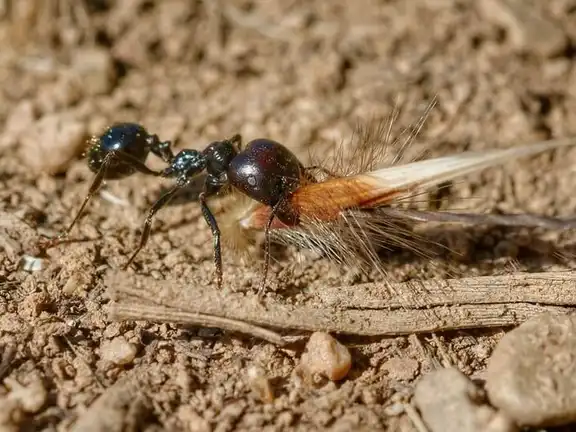 BeginnerKept by Bruma
Messor barbarus
Harvester ant
A calm, clumsy seed harvester with huge-headed majors, and my top pick for beginners.
- Nest
- 21–26 °C
- Size
- 3–14 mm
- Winter
- 12–16 °C
View sheet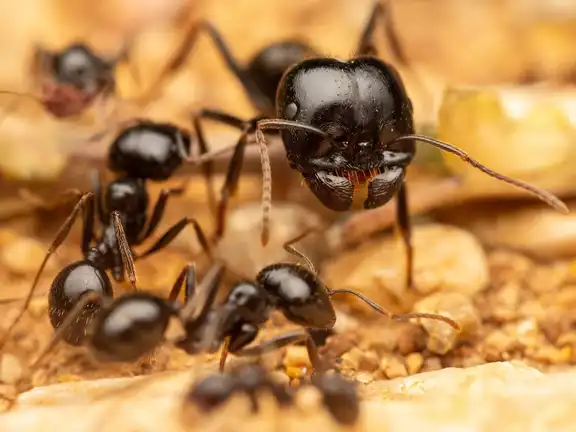 Beginner
Messor capitatus
European seed harvesting ant
A glossy black seed harvester with big-headed majors that grind tough seeds into ant bread on dry, rocky ground.
- Nest
- 22–28 °C
- Size
- 4–13 mm
- Winter
- 10–15 °C
View sheet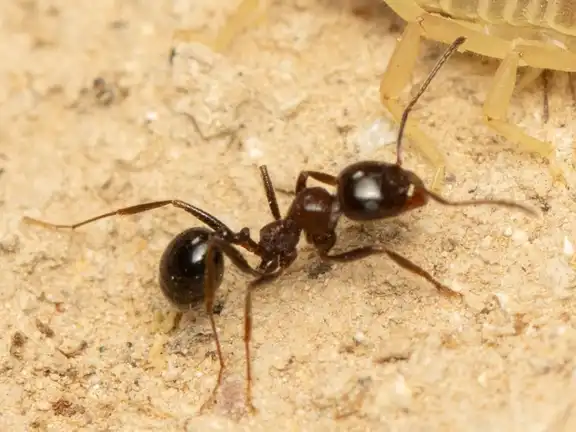 Beginner
Messor ebeninus
Ebony harvester ant
A glossy ebony-black harvester ant of the Middle East that stores its seeds upstairs and raises its brood in damp soil far below.
- Nest
- 22–28 °C
- Size
- 4–10 mm
- Winter
- 15–18 °C
View sheet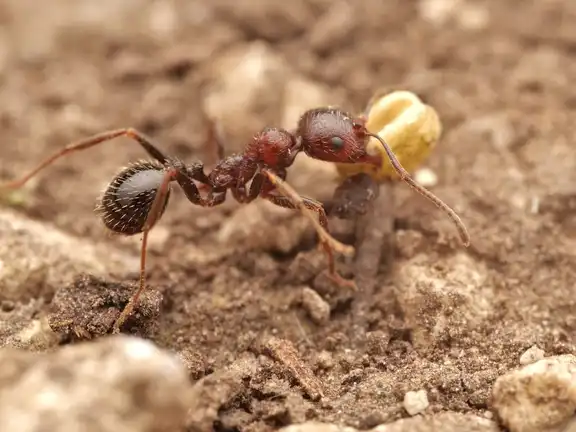 Beginner
Messor structor
A rough-skinned brown harvester ant that shares its nest with many queens and spreads by splitting off new colonies.
- Nest
- 22–28 °C
- Size
- 4–10 mm
- Winter
- 8–12 °C
View sheet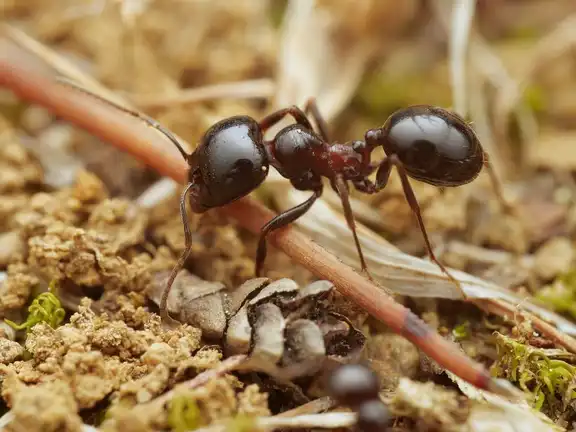 Beginner
Messor wasmanni
Wasmann's harvester ant
A big-headed seed harvester of sunny Italian and Balkan grasslands, with tidy trails to its nest and a name still written with a cautious cf.
- Nest
- 22–26 °C
- Size
- 4–10 mm
- Winter
- 12–15 °C
View sheet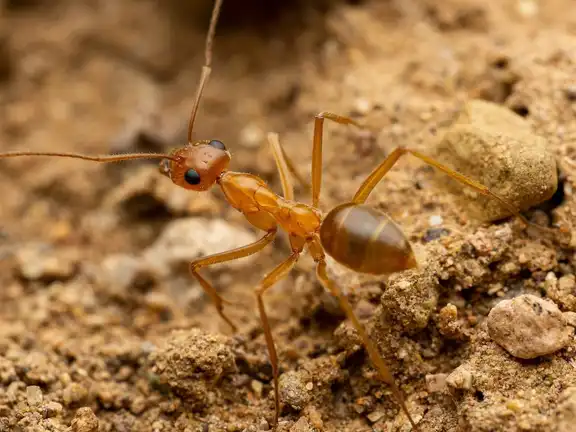 Intermediate
Myrmecocystus mexicanus
Mexican honeypot ant
A nocturnal desert ant whose swollen workers hang from the ceiling like golden jars to store the colony's sugar.
- Nest
- 26–30 °C
- Size
- 4–9 mm
- Winter
- None
View sheet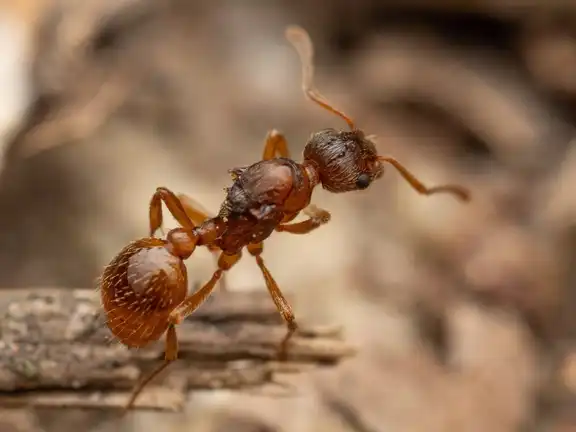 Intermediate
Myrmica rubra
European fire ant
A feisty red ant of damp meadows that lives in sprawling multi-queen colonies and defends its nest with a nettle-like sting.
- Nest
- 18–25 °C
- Size
- 4–6 mm
- Winter
- 5–8 °C
View sheet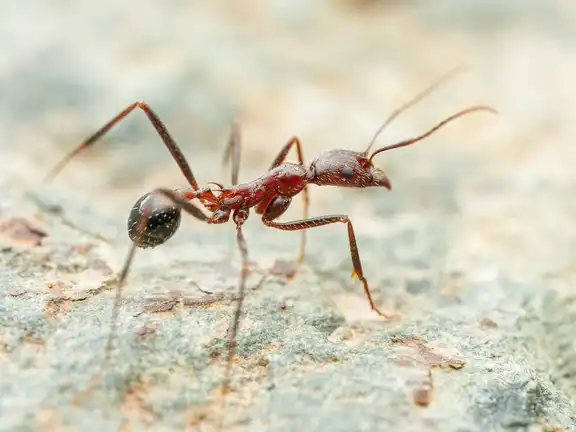 Beginner
Novomessor cockerelli
Desert harvester ant
A leggy desert scavenger whose workers team up to haul prey far too big for a single ant.
- Nest
- 27–32 °C
- Size
- 7–10 mm
- Winter
- None
View sheet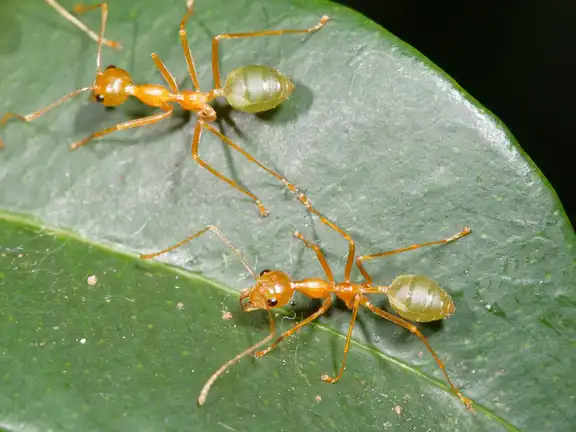 Advanced
Oecophylla smaragdina
Asian weaver ant
Long-legged tree ants that stitch living leaves into nests with silk from their own larvae, and an expert-level challenge to keep.
- Nest
- 24–30 °C
- Size
- 5–10 mm
- Winter
- None
View sheet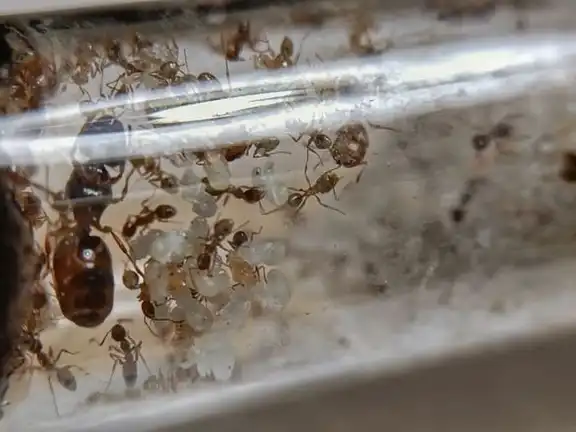 AdvancedKept by Bruma
Pheidole pallidula
Big-headed ant
Tiny minors, big-headed majors and a real talent for escaping.
- Nest
- 21–28 °C
- Size
- 2–6 mm
- Winter
- 12–16 °C
View sheet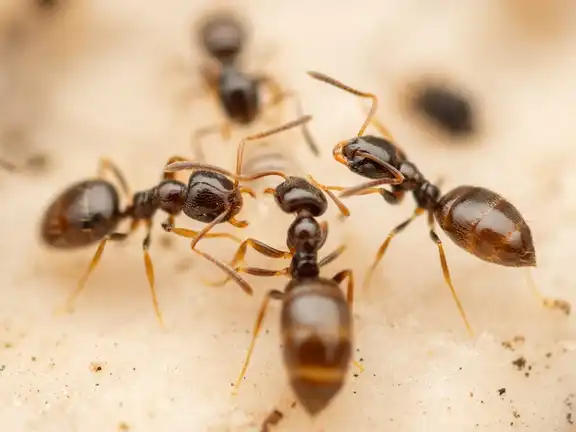 Intermediate
Plagiolepis pygmaea
A pinhead-sized, sun-loving ant that lives in networks of many-queened nests and slips through the smallest gap.
- Nest
- 21–28 °C
- Size
- 1.3–2 mm
- Winter
- 10–15 °C
View sheet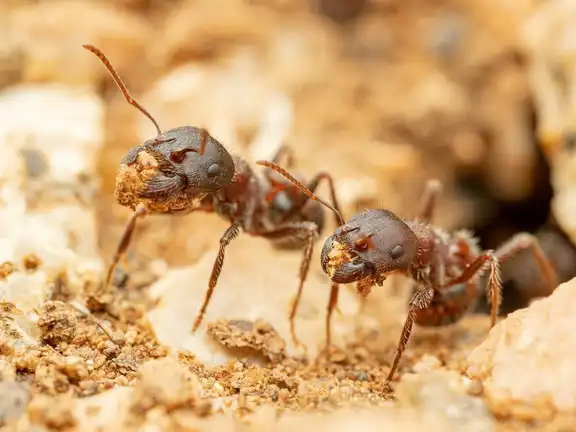 Intermediate
Pogonomyrmex rugosus
Rough harvester ant
A heavy desert seed harvester with deep granaries, a bare disk around its nest and a painful sting.
- Nest
- 26–30 °C
- Size
- 7–9 mm
- Winter
- 13–16 °C
View sheet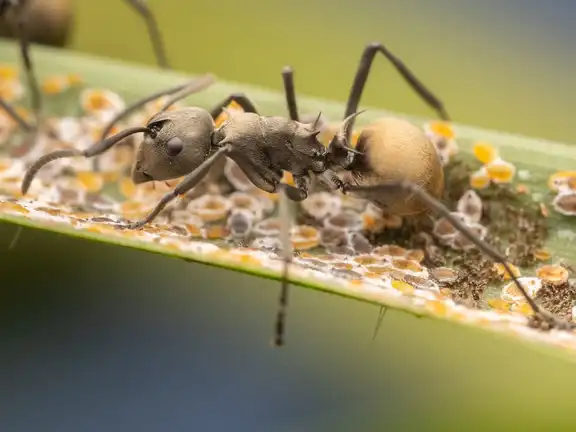 Intermediate
Polyrhachis dives
Asian spiny weaver ant
A spiny, fast-moving climber that weaves its nests with silk from its own larvae and lives in colonies with many queens.
- Nest
- 25–30 °C
- Size
- 5–8 mm
- Winter
- None
View sheet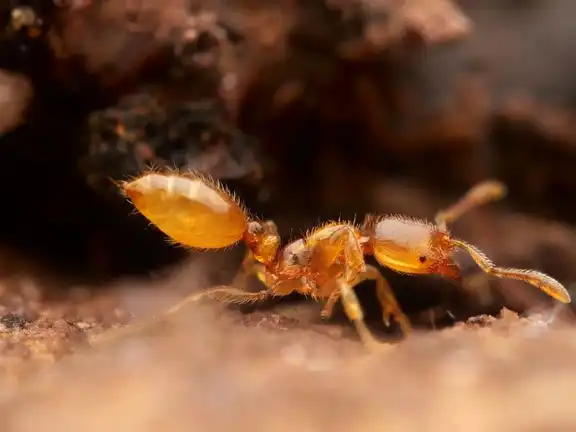 Advanced
Solenopsis fugax
Thief ant
A tiny underground thief that tunnels into the nests of bigger ants to steal their brood, and slips through almost any gap.
- Nest
- 21–28 °C
- Size
- 1.5–2.5 mm
- Winter
- 5–10 °C
View sheet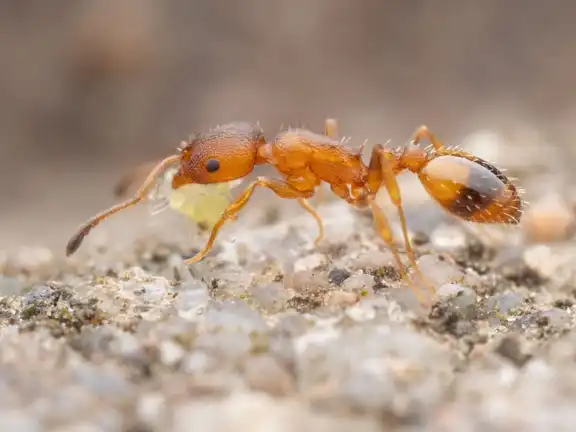 Beginner
Temnothorax unifasciatus
A tiny, peaceful ant with a dark band across its gaster, small enough that a whole colony can live inside an acorn.
- Nest
- 20–26 °C
- Size
- 2.5–3.5 mm
- Winter
- 5–10 °C
View sheet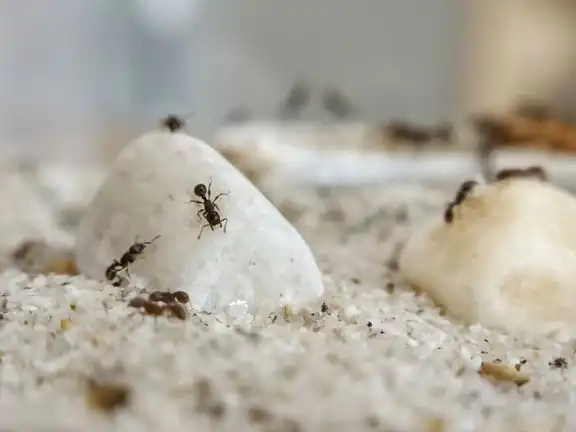 BeginnerKept by Bruma
Tetramorium caespitum
Pavement ant
Tiny, tough and fast-growing, as long as your nest is escape-proof.
- Nest
- 21–27 °C
- Size
- 2–4 mm
- Winter
- 5–8 °C
View sheet
How to read the sheets
Difficulty from 1 to 7
1–4 is for beginners, 5–6 for keepers with some experience and 7 for advanced keepers. Every sheet explains what makes the species easier or harder.
Kept by Bruma or compiled
Species I keep myself are marked as kept by Bruma. The others are compiled from published sources and keeper reports, and their sheets say so.
How well documented
Every block of data shows how solid its sources are:
Well documentedKeeper consensusFew sourcesSources and review dates
Every sheet lists its sources and the date of its last review. The values are starting points: watch your colony and adjust.
Not sure which ant to keep?
Take the 1-minute species finder quiz and get matched with the perfect species for your experience, your space and what you'd love to watch.



Join Us On Discord!
Great news! Now we have a Discord server! Discover the ultimate hub for ant enthusiasts, where ant keepers from around the world come together to share their passion! Click the button below to join the club!
Join the server!