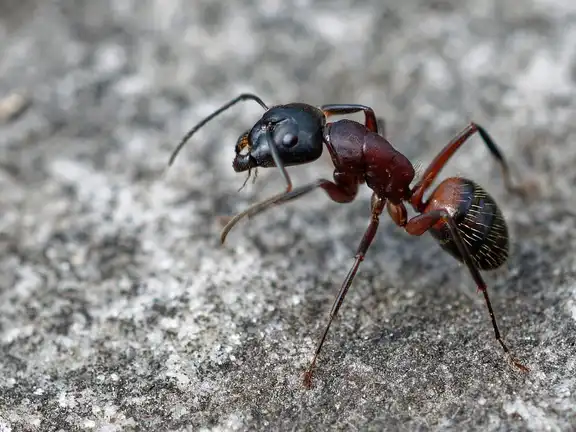
Camponotus ligniperda
Brown-black carpenter ant
DifficultyBeginner · 4/7
Species comparison
Side by side: difficulty, size, growth, climate, hibernation and nuptial flights, from the data and sources of each species sheet.
| Camponotus ligniperda | Fact | Camponotus maculatus |
|---|---|---|
| Keeping | ||
| Difficulty | ||
4/7 Beginner | Difficulty | 4/7 Beginner |
| Escape risk | ||
Medium | Escape risk | Medium |
| Diet | ||
SugarInsects | Diet | SugarInsects |
| Best nests | ||
Ytong nest · Wooden nest · Naturalistic setup | Best nests | Ytong nest · Acrylic nest · Naturalistic setup |
| Colony | ||
| Growth | ||
Moderate | Growth | FasterVery fast |
| Colony size | ||
Reaches 5,000 workers | Colony size | Reaches 5,000 workers |
| Workers | ||
6–10 mm majors up to 14 mm | Workers | 6–10 mm majors up to 16 mm |
| Queen | ||
16–18 mm | Queen | 15–18 mm |
| Colony founding | ||
Fully claustral One queen | Colony founding | Fully claustral One queen |
| Defense | ||
Bites · Sprays formic acid | Defense | Bites · Sprays formic acid |
| Climate | ||
| Nest temperature | ||
20–25 °C | Nest temperature | 24–28 °C |
| Nest humidity | ||
50–60 % | Nest humidity | 50–70 % |
| Hibernation | ||
5–8 °C Oct – Mar | Hibernation | Not needed |
| Nuptial flights | ||
May – Jun Hot days · Humid air | Nuptial flights | No flights |
| Native range | ||
Europe, Middle East | Native range | Africa, Middle East |
Camponotus ligniperda
Camponotus maculatus
Camponotus ligniperda : Hibernation: Oct – Mar, Nuptial flights: May – Jun
Camponotus maculatus :
Months in the native range of the species. The weather decides the exact days, and colonies kept indoors can follow a different rhythm.
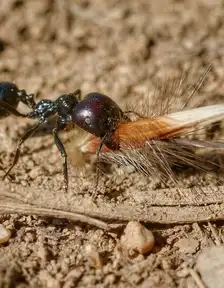
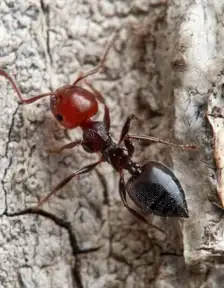
Large, shiny ants with a black head and gaster and a bright red-brown thorax, plus a red tint that often spreads onto the front of the gaster. Workers range from small minors to majors with a huge head, and the brighter color and shinier gaster set them apart from the duller Camponotus herculeanus, which prefers colder, higher forests, although the two can be hard to separate by eye.
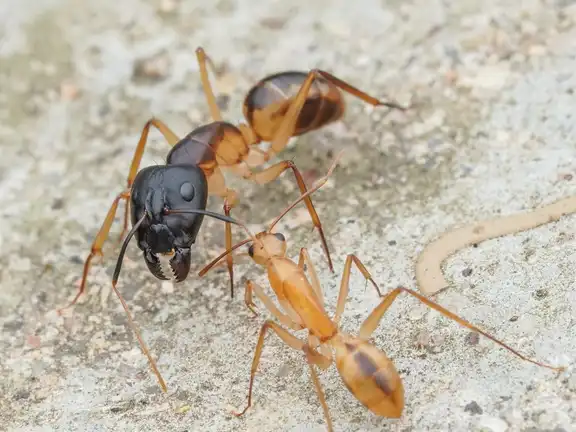
Large, strongly polymorphic ants with a dark head, a yellowish thorax and a dark gaster marked with pale yellow spots or stripes, though the colors vary a lot between populations. Shops sell it as 'maculatus' or as 'subnudus', with origins given as Africa or Southeast Asia, and a 2026 study found two chemically different but look-alike populations among colonies identified as this species, so the exact identity of any colony is uncertain.
Take the 1-minute species finder quiz and get matched with the perfect species for your experience, your space and what you'd love to watch.