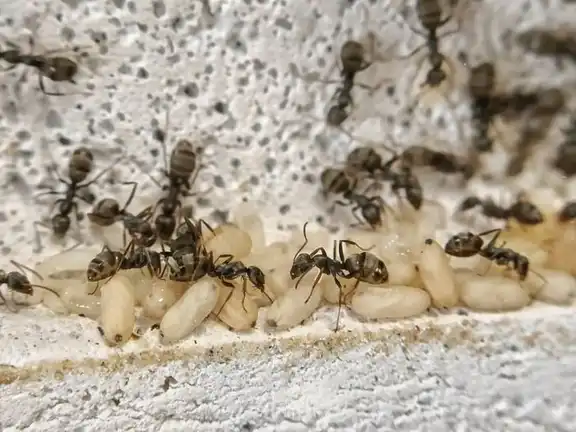
Formica cinerea
DifficultyIntermediate · 5/7
Kept by BrumaSpecies comparison
Side by side: difficulty, size, growth, climate, hibernation and nuptial flights, from the data and sources of each species sheet.
| Formica cinerea | Fact | Pheidole pallidula |
|---|---|---|
| Keeping | ||
| Difficulty | ||
Easier5/7 Intermediate | Difficulty | 7/7 Advanced |
| Escape risk | ||
High | Escape risk | High |
| Diet | ||
SugarInsects | Diet | SugarInsectsSeeds |
| Best nests | ||
Ytong nest · Sandwich nest · Acrylic nest | Best nests | Acrylic nest · Naturalistic setup |
| Colony | ||
| Growth | ||
Very fast | Growth | Very fast |
| Colony size | ||
Reaches 10,000 workers | Colony size | Reaches 1,000 workers |
| Workers | ||
4–8 mm All the same size | Workers | 2–4 mm majors up to 6 mm |
| Queen | ||
8–11 mm | Queen | 7–8 mm |
| Colony founding | ||
Fully claustral One or more queens | Colony founding | Fully claustral One or more queens |
| Defense | ||
Bites · Sprays formic acid | Defense | Bites |
| Climate | ||
| Nest temperature | ||
21–27 °C | Nest temperature | 21–28 °C |
| Nest humidity | ||
50–60 % | Nest humidity | 60–70 % |
| Hibernation | ||
5–8 °C Oct – Mar | Hibernation | 12–16 °C Nov – Mar |
| Nuptial flights | ||
Jun – Aug | Nuptial flights | May – Aug |
| Native range | ||
Europe, Asia | Native range | Europe, North Africa |
Formica cinerea
Pheidole pallidula
Formica cinerea : Hibernation: Oct – Mar, Nuptial flights: Jun – Aug
Pheidole pallidula : Hibernation: Nov – Mar, Nuptial flights: May – Aug
Months for temperate Europe and the Mediterranean. The weather decides the exact days, so flights can come earlier or later where you live.
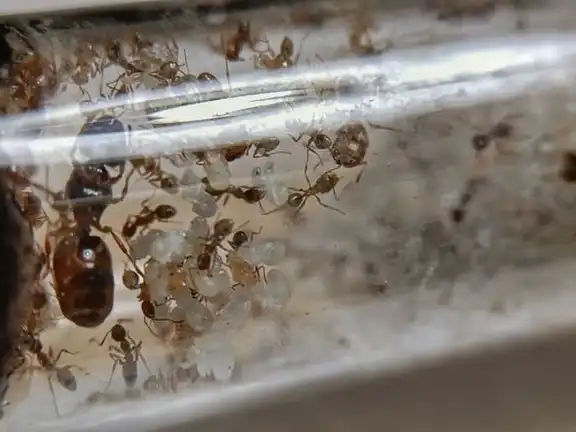
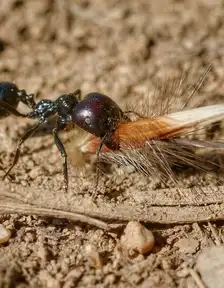
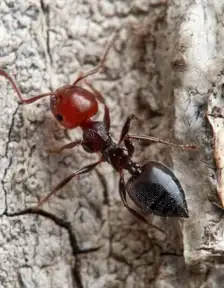
Almost black workers with a silvery gray sheen, large eyes and dark reddish legs. They run very fast and on irregular paths, which makes them hard to follow.
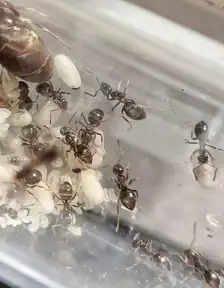
Light yellowish to reddish-brown workers of two kinds: small, quick minors and majors whose head looks far too big for their body. The majors carry strong, sharp jaws.
Take the 1-minute species finder quiz and get matched with the perfect species for your experience, your space and what you'd love to watch.