Formica cinerea
Mayr, 1853
Big, fast and nervous: a formic acid sprayer that can reach 10,000 workers.
Based on my own colonies and checked against AntWiki, AntWeb and published sources.
At a glance
- Nest temperature
- 21–27 °CIn the nest
- Nest humidity
- 50–60 %In the nest
- Hibernation
- 5–8 °COct – Mar
- Nuptial flights
- Jun – Aug
- Workers
- 4–8 mmAll the same size
- Queen
- 8–11 mmOne or more queens
- Colony size
- Reaches 10,000 workersGrowth: Very fast
- Escape risk
- HighEscape artists: use a closed outworld and a good barrier
Year at a glance
Hibernation : Oct – Mar
Active season : Apr – Sep
Nuptial flights : Jun – Aug
Months for temperate Europe and the Mediterranean. The weather decides the exact days, so flights can come earlier or later where you live.
How to recognize it
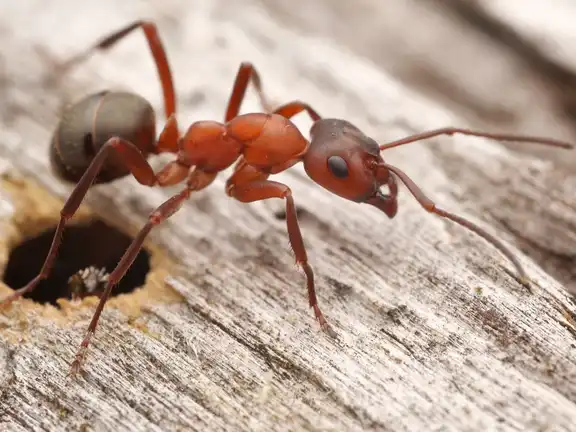
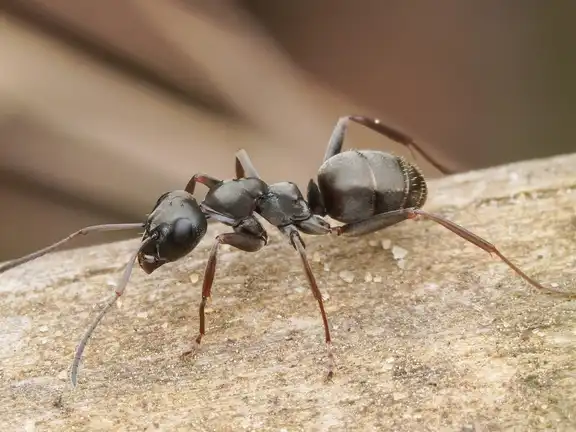
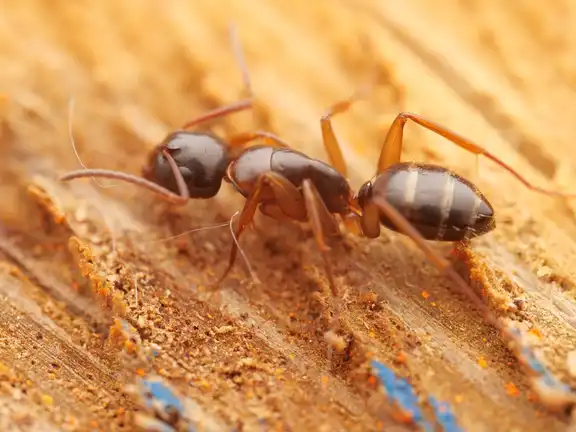
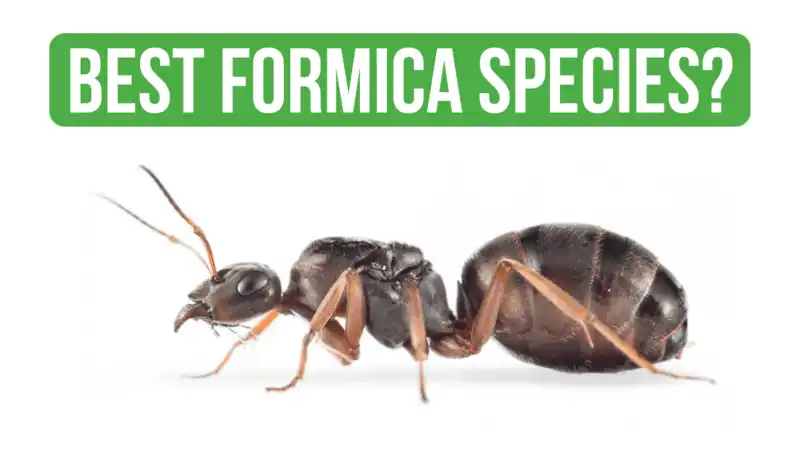
Almost black workers with a silvery gray sheen, large eyes and dark reddish legs. They run very fast and on irregular paths, which makes them hard to follow.
Often confused with
- Formica fusca
- Formica selysi
- Formica fuscocinerea
- Workers4–8 mm
- Queen8–11 mm
mm
Biology
- Queens
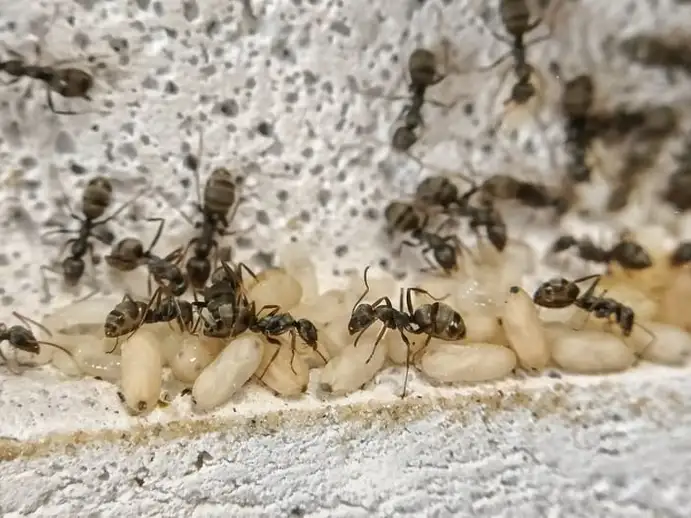
- One or more queensNew colonies usually start with a single queen, but many grow to hold several queens living together.In the glossary
- Colony founding
- Fully claustralThe queen raises her first workers without eating, living off her wing muscles and fat reserves.In the glossary
- Workers
- All the same sizeAll the workers have about the same size and shape.
- Defense
- Bites · Sprays formic acidNo sting: the workers bite and spray formic acid, which can sting small cuts.
Native range
- Europe
- Asia
Austria, Czechia, Finland, Germany, Hungary, Italy, Poland, Russia, Spain, Sweden, Switzerland
Taxonomy
Formicinae › Formicini
Formica
Care at a glance
Difficulty
Why this rating
- Makes it easier: Fully claustral: the queen needs no food until her first workers arrive
- Makes it harder: A real escape artist that needs an escape-proof setup
- Makes it harder: Needs a cold hibernation, for example in a fridge
- Makes it harder: Grows very fast and needs plenty of protein and space
- Makes it harder: Colonies get huge and need room to expand
Food
- Sugar
- Insects
Sugar or honey water for the workers, and insects as protein for the queen and the brood.
Best nests
From my colonies
Watch out
Escapes are most likely during outworld maintenance, because the workers move so fast and irregularly: work calmly and keep an eye on every ant until the setup is closed again.
Tip
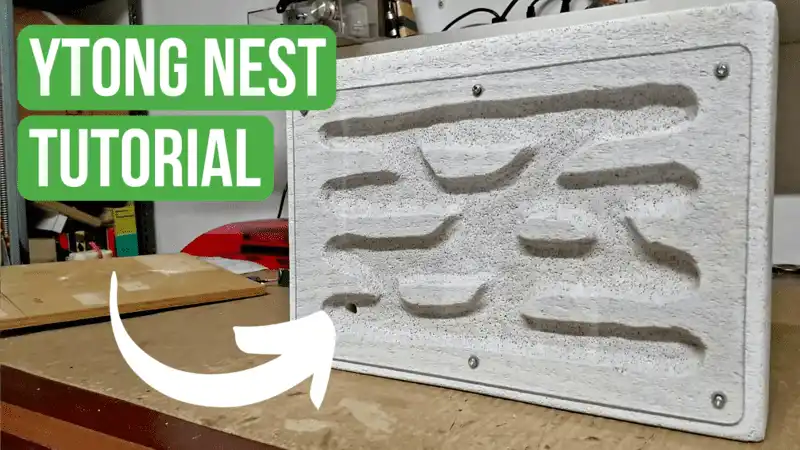
A white Ytong nest suits this species well, because the almost black workers stand out against it and every chamber is easy to watch.
Tip
Offer insects often: this fast grower needs a lot of protein, and the workers spray formic acid to take down every insect they meet.
Watch out
Plan the space early: with the right nutrients and warmth the colony grows explosively within a few years, and a nest that looks roomy at the start will not stay that way.
Care guide and related posts
How To Care for Formica cinerea
In this guide you will learn how to care for Formica cinerea! Temperature, humidity, food, hibernation, nest type... and much more!
How To Make a Ytong Nest - Ant Keeping Tutorial
In this tutorial, you will learn how to make a Ytong nest for your ant colonies! This is one of the best nest types for many ant species!

How To Hibernate Your Ants - Hibernation Tutorial
In this guide, we’re going to talk about hibernation: What is it? Why do ants need hibernation? Should I hibernate my ants? Let's see!

5 Most Common Mistakes Beginners Make in Ant Keeping
In this tutorial, you will learn 5 of the most common mistakes beginners make when they first join the hobby of ant keeping!
FAQs
7It likes open, sunny and dry sandy ground with sparse vegetation, such as coastal dunes, river banks and beaches. Good eyesight and fast legs suit this open habitat, which is why the workers look so alert and run so quickly.
Yes. Formica fusca, Formica selysi and a few other gray-black Formica species look very similar, and telling them apart for sure is only possible under a microscope. The silvery sheen of the workers and their fast, nervous running are good hints, but not proof.
Formica cinerea workers measure 4–8 mm, and the queen measures 8–11 mm.
One or more. Formica cinerea colonies are usually founded by a single queen, but many end up with several queens living together.
No. Formica cinerea has no sting: the workers bite and spray formic acid, which can sting small cuts.
In temperate Europe and the Mediterranean, Formica cinerea usually flies in Jun – Aug. The weather decides the exact days.
Keeping Formica cinerea is restricted in some countries. Check your local laws before buying or collecting a queen.
Sources and review
Bruma's own colonies
Care
- 1AntWiki: Formica cinerea
Reference · Taxonomy, Biology, Distribution
- 2AntWeb: Formica cinerea
Reference · Taxonomy, Biology
- 3Wikipedia: Formica cinerea
Reference · Biology, Distribution, Nuptial flights
- 4
- 5EU list of invasive alien species of Union concern (Implementing Regulation 2016/1141, consolidated)
Reference · Legal status
Showing 5 of 7 sources
Last reviewed
- BiologyWell documented
- Care valuesWell documented
- Nuptial flightsKeeper consensus
Legal status
Keeping this species is restricted in some countries. Check your local laws before buying or collecting a queen.
Checked on October 11, 2026
All values are starting points: watch your colony and adjust. Found something wrong or missing?
Suggest a correction