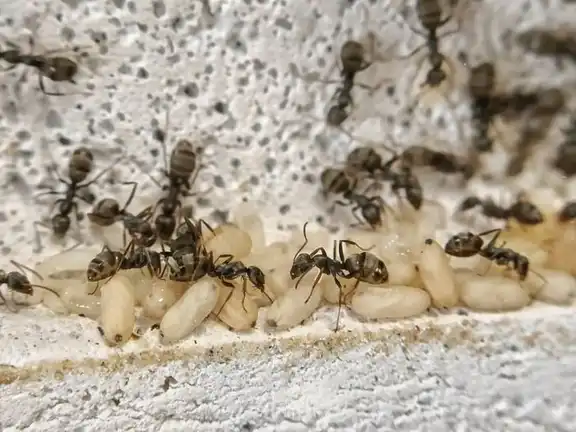
Formica cinerea
DifficultyIntermediate · 5/7
Kept by BrumaSpecies comparison
Side by side: difficulty, size, growth, climate, hibernation and nuptial flights, from the data and sources of each species sheet.
| Formica cinerea | Fact | Tetramorium caespitum |
|---|---|---|
| Keeping | ||
| Difficulty | ||
5/7 Intermediate | Difficulty | Easier4/7 Beginner |
| Escape risk | ||
High | Escape risk | High |
| Diet | ||
SugarInsects | Diet | SugarInsects |
| Best nests | ||
Ytong nest · Sandwich nest · Acrylic nest | Best nests | Acrylic nest · Test tube setup · Naturalistic setup |
| Colony | ||
| Growth | ||
FasterVery fast | Growth | Fast |
| Colony size | ||
Reaches 10,000 workers | Colony size | No data yet |
| Workers | ||
4–8 mm All the same size | Workers | 2–4 mm All the same size |
| Queen | ||
8–11 mm | Queen | 6–8 mm |
| Colony founding | ||
Fully claustral One or more queens | Colony founding | Fully claustral One queen |
| Defense | ||
Bites · Sprays formic acid | Defense | Bites · Stings |
| Climate | ||
| Nest temperature | ||
21–27 °C | Nest temperature | 21–27 °C |
| Nest humidity | ||
50–60 % | Nest humidity | 50–60 % |
| Hibernation | ||
5–8 °C Oct – Mar | Hibernation | 5–8 °C Oct – Mar |
| Nuptial flights | ||
Jun – Aug | Nuptial flights | Jun – Aug |
| Native range | ||
Europe, Asia | Native range | Europe |
Formica cinerea
Tetramorium caespitum
Formica cinerea : Hibernation: Oct – Mar, Nuptial flights: Jun – Aug
Tetramorium caespitum : Hibernation: Oct – Mar, Nuptial flights: Jun – Aug
Months for temperate Europe and the Mediterranean. The weather decides the exact days, so flights can come earlier or later where you live.
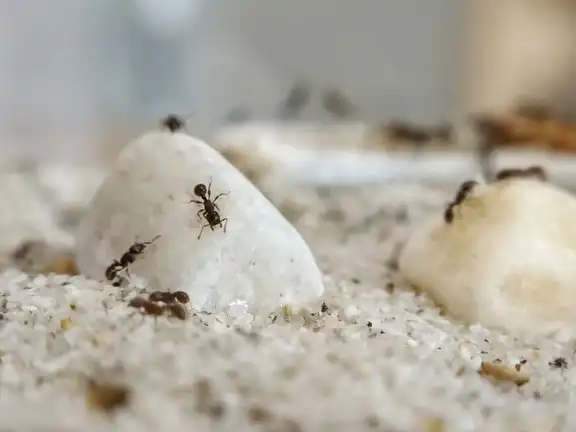
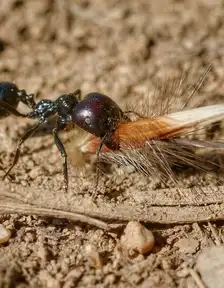
Almost black workers with a silvery gray sheen, large eyes and dark reddish legs. They run very fast and on irregular paths, which makes them hard to follow.
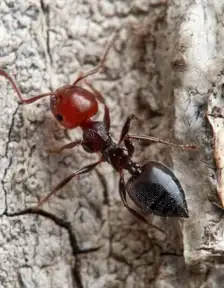
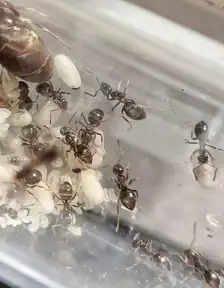
Tiny dark brown to blackish workers with fine ridges on the head and thorax, a smooth shiny gaster and a waist made of two small segments. A pair of short spines sticks out at the back of the thorax.
Take the 1-minute species finder quiz and get matched with the perfect species for your experience, your space and what you'd love to watch.