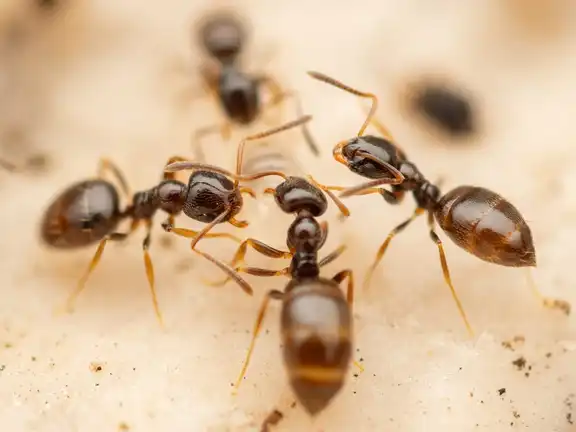
Plagiolepis pygmaea
DifficultyIntermediate · 5/7
Species comparison
Side by side: difficulty, size, growth, climate, hibernation and nuptial flights, from the data and sources of each species sheet.
| Plagiolepis pygmaea | Fact | Solenopsis fugax |
|---|---|---|
| Keeping | ||
| Difficulty | ||
Easier5/7 Intermediate | Difficulty | 7/7 Advanced |
| Escape risk | ||
High | Escape risk | High |
| Diet | ||
SugarInsects | Diet | InsectsSugar |
| Best nests | ||
Ytong nest · Sandwich nest · Test tube setup | Best nests | Acrylic nest · Ytong nest · Test tube setup |
| Colony | ||
| Growth | ||
Moderate | Growth | Moderate |
| Colony size | ||
Reaches 5,000 workers | Colony size | No data yet |
| Workers | ||
1.3–2 mm All the same size | Workers | 1.5–2.5 mm All the same size |
| Queen | ||
3–4.5 mm | Queen | 4–6.5 mm |
| Colony founding | ||
Fully claustral Several queens | Colony founding | Fully claustral One or more queens |
| Defense | ||
Bites · Sprays formic acid | Defense | Bites · Stings |
| Climate | ||
| Nest temperature | ||
21–28 °C | Nest temperature | 21–28 °C |
| Nest humidity | ||
50–60 % | Nest humidity | 50–70 % |
| Hibernation | ||
10–15 °C Nov – Feb | Hibernation | 5–10 °C Nov – Feb |
| Nuptial flights | ||
Jun – Aug | Nuptial flights | Aug – Oct Hot days |
| Native range | ||
Europe, Middle East | Native range | Europe, North Africa, Middle East, Asia |
Plagiolepis pygmaea
Solenopsis fugax
Plagiolepis pygmaea : Hibernation: Nov – Feb, Nuptial flights: Jun – Aug
Solenopsis fugax : Hibernation: Nov – Feb, Nuptial flights: Aug – Oct
Months for temperate Europe and the Mediterranean. The weather decides the exact days, so flights can come earlier or later where you live.
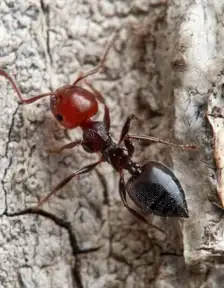
Minute, shiny brown to blackish workers, often with paler yellowish legs and antennae, so small they look like moving specks, and with abdomens that swell round when they are full of liquid food. Several very similar Plagiolepis species exist, so a sure identification needs a microscope: the differences are tiny details such as the proportions of the antennal segments.
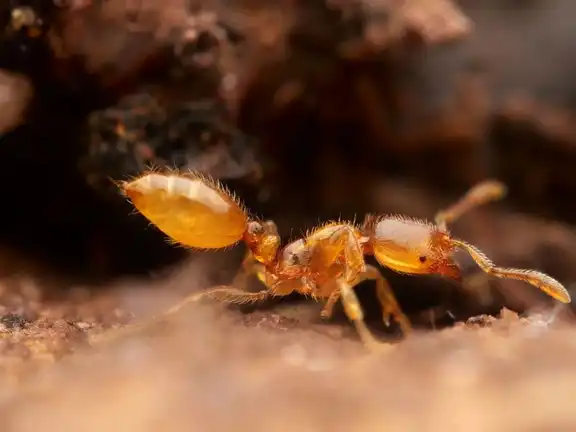
Tiny pale yellow to brownish-yellow workers with minute eyes that live underground and are rarely seen at the surface, while the queens are far bigger, usually dark brown to blackish, and are easily mistaken for Tetramorium or Plagiolepis queens. Several European thief ants look almost the same, so a sure name needs a microscope.
Take the 1-minute species finder quiz and get matched with the perfect species for your experience, your space and what you'd love to watch.