How To Hibernate Your Ants - Hibernation Tutorial
 Bruma 8 min read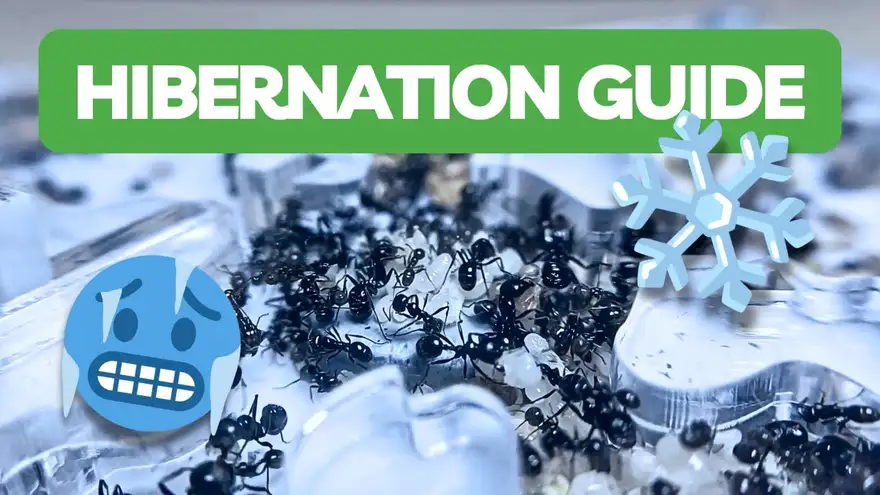
In short
Most ant species don't strictly need hibernation to survive, but skipping it drastically shortens the lifespan of the queen and the colony. Research your species, then hibernate the ants in winter in an unheated garage or in a fridge set to their hibernation temperature, following their natural cycle.
Hi guys! I hope you’re doing well!
Today we’re going to talk about hibernation: What is it? Why do ants need hibernation? Should I hibernate my ants? These are some of the questions that we’re going to answer in this guide!
Let’s get started!
What Is Hibernation?
Let’s start from the basics: what exactly is hibernation?
The scientific literature defines hibernation as a state of minimal activity and metabolic depression, undergone by some animal species. Hibernation is a seasonal heterothermy characterized by low body temperature, slow breathing, heart rate, and low metabolic rate. It most commonly occurs during winter months.
I think that this definition perfectly summarizes the concept. In other words, hibernation is nothing but a biological phase in which the metabolism of the animal slows down drastically, keeping active only the functions needed to stay alive.
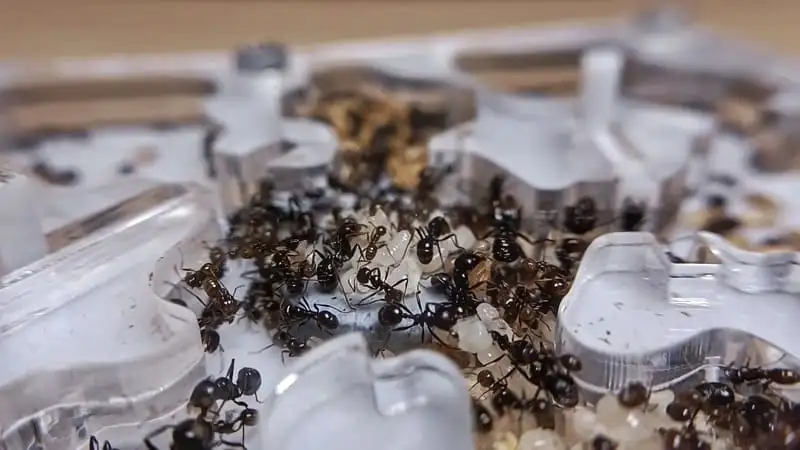
In most species, hibernation typically occurs during the winter months. The list of species that go into hibernation is really long, and includes animals like bears, primates, mice, squirrels, some species of birds, and, as you can imagine, ants!
Now that we know what hibernation is, let’s discuss the reasons behind this important biological phase.
Why Do Ants Hibernate?
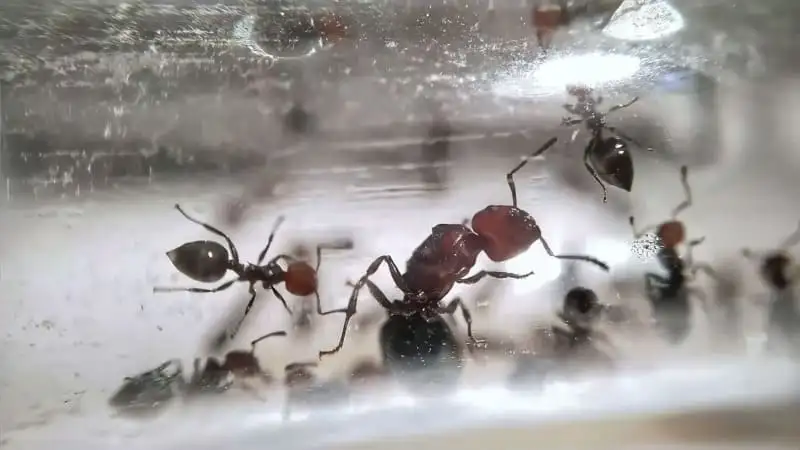
As we’ve seen before, ants, like many other animal species, hibernate during the winter months. Now you may be wondering: but why do ants hibernate? Why don’t they just continue with their lives all year long?
These are very interesting questions to which there are numerous answers. The two main ones concern the environment and the biology of the animal.
The Climate
Let’s start with the climate. Let’s face it! Life in winter is much harder than in any other season! The cold temperatures, harsh weather, and longer nights make basic activities like searching for food and water extremely difficult.
And if we add the snow, the situation becomes almost unmanageable! That’s one of the main factors that encourage an animal to pause for the winter months and wait for the spring of the next year to resume normal life!
The Biology Of Ants
But there’s another very important aspect to consider: the biology of ants!
As you may already know, ants are cold-blooded animals. This means that their bodies cannot self-heat, and their metabolism is heavily influenced by the external climate.
If you, just like me, are truly fascinated by these tiny, smart animals and want to learn more about them, you cannot miss my article on 10 mind-blowing facts about ants! In this piece, I will blow your mind with amazing and extremely interesting discoveries!
In most parts of the world, during the winter months, the temperature decreases significantly, forcing the metabolism of the ants to slow dramatically! Think about it: in some countries, temperatures easily reach sub-zero values! How can a cold-blooded animal survive there?
For this reason, ants have no choice. They need to find a safe and comfortable place to spend the winter months, perhaps underground where the temperature is a bit higher, and patiently wait for the climate to improve!
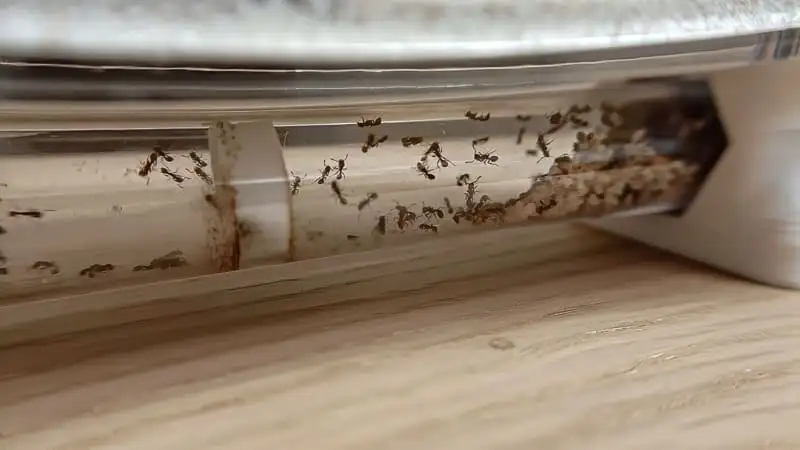
During this calm period, the colony and the queen can finally rest and recharge their batteries! The queen stops laying eggs, and the development of the various stages of the brood comes to a halt, remaining that way until the start of the next season!
So, we now know what hibernation is and why ants need this important phase. One question may be popping into our minds right now: but what if I don’t hibernate my ants? After all, my house is heated, and the temperature does not drop to extremely low levels, right?
Let’s talk about it!
Do Ants Really Need Hibernation?
That’s a very interesting and difficult question to answer. In the end, it all comes down to what we mean by “need.” Scientists, myrmecologists, and ant keepers from all over the world have conducted numerous experiments regarding this very issue, and the results point to very similar conclusions.
They have found that for the majority of ant species, hibernation is not essential to the life of the colony. This means that the queen and the colony can survive even if deprived of the low-temperature period.
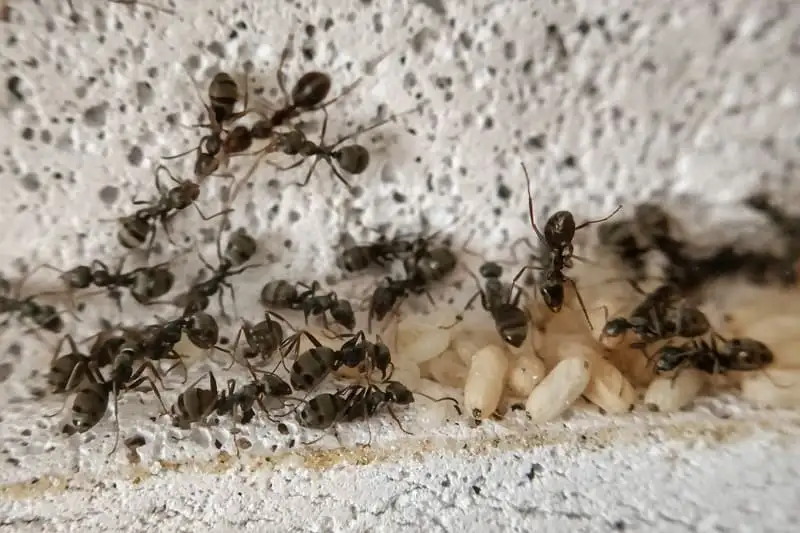
One interesting fact they’ve observed is that, even if the temperature remains the same, the queen tends to slow down egg production, and the workers go out foraging much less often. It is almost as if the ants have an internal clock!
Having said that, there are some important disadvantages to skipping this crucial phase. Myrmecologists have found that the lifespan of the queen, and consequently, the lifespan of the entire ant colony, decreases drastically for every year passed without proper hibernation.
If you think about it, this makes perfect sense. Just imagine for a moment that a queen ant has a finite amount of, let’s call it, life energy. If she uses this life energy for only 9 months a year, she can undoubtedly live a lot longer than if she uses it for the entire 12 months!
I know this is a very simple explanation for such a complex concept like hibernation, but I think it makes it much easier to understand the reasons behind the drop in lifespan!
If you’re a beginner ant keeper, I would also suggest you take a look at my guide on the 5 most common beginner mistakes! In this one, I list the mistakes that beginner ant keepers make most often when they first start approaching this amazing hobby!
At this point in the article, you may be wondering: BRUMA, what about species of ants that do not hibernate?
Exactly! Not every species of ant hibernates! In fact, there are many species that are active all year long! Some of the species native to exotic regions, for example, do not undergo this biological phase.
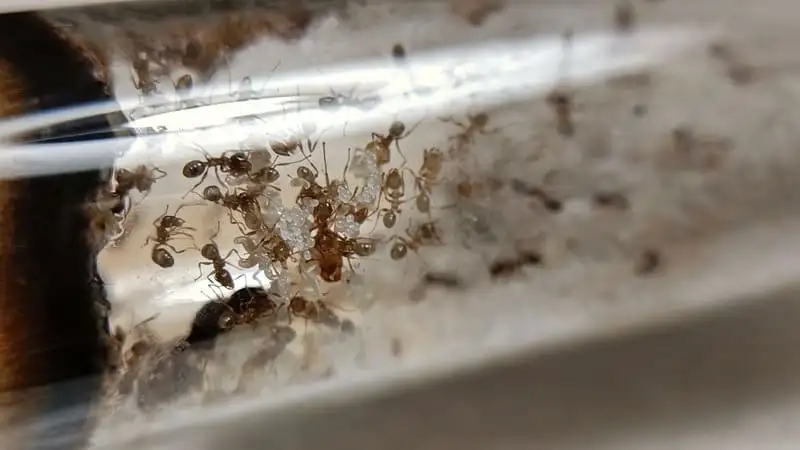
They just slow down their activities and metabolism a bit but do not officially enter a proper hibernation phase! These particular species are able to remain active all year due to the different weather characteristics of the regions in which they live, which are much warmer and more comfortable!
Now it’s finally time to discuss some more practical aspects! Let’s jump to the next chapter!
How Do I Hibernate My Ants?
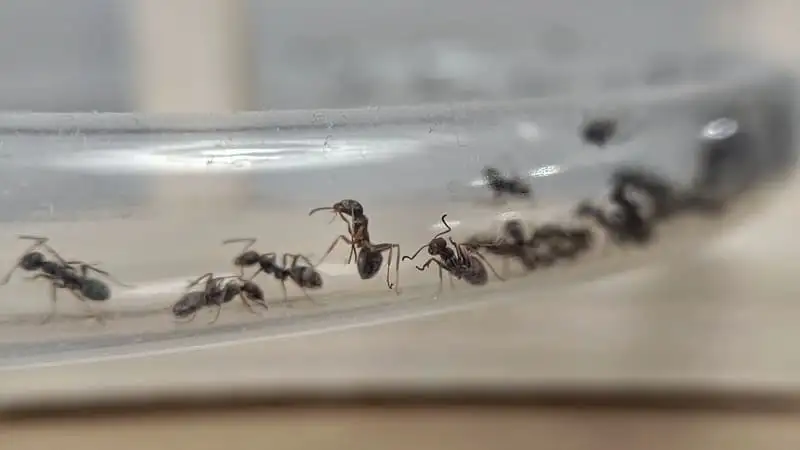
When it comes to hibernating your ant colonies, you have multiple choices. Let’s examine them!
The first and simplest option to put your queens or ant colonies into hibernation is to place them in a room that tends to replicate the outside temperature. With this clever solution, you don’t have to worry too much about them, as the room temperature perfectly mimics their natural environment!
The Garage
One great place you can use for this purpose is your garage. Garages are usually not heated and are detached from the main living area of the house.
Using this space as your hibernation zone provides you with two great advantages: the low and constant temperature and the fact that the ants will not be disturbed too much!
The Fridge
Now let’s talk about the second option for hibernation. If you don’t have a garage or if you’re not comfortable leaving your ants at the mercy of the outside temperature, you can use a regular fridge!
You can set the fridge temperature to the hibernation temperature of your ant species, place the colony inside, and wait patiently for spring to arrive! Nothing could be easier! No need to worry if the outside temperature gets too low or too high!
But what if I have many colonies, all inside test tube setups? Is there a way to easily store the test tubes together without the risk of making them roll over or bump into each other? Of course!
In this tutorialThis is the perfect way to organize and store your precious ant colonies on a budget!Perfect! Now that we know how to hibernate our ants, let’s talk a bit about the timing!
When Do I Need To Put My Ants Into Hibernation?
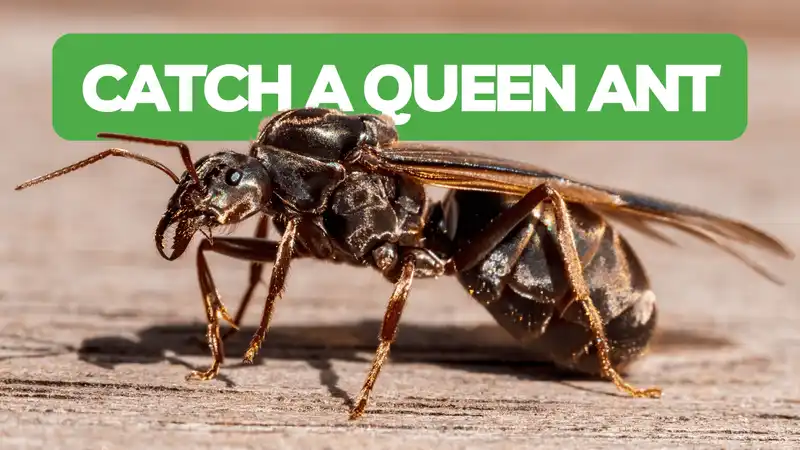
One of the first things you have to do after finding a queen ant is to go online and research her! You need to find out what species she belongs to, her eating habits, the right temperature and humidity, and, of course, if and when she hibernates!
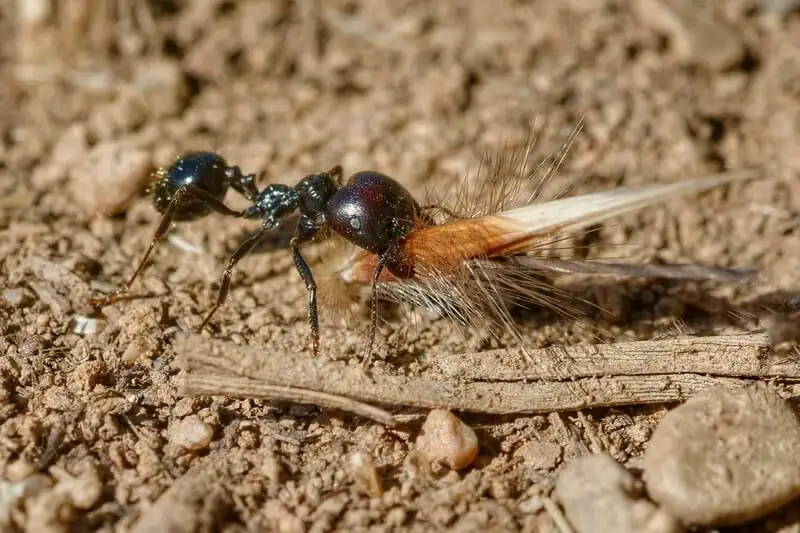 Photo: André LABETAA/stock.adobe.com
Once you have this information, you can plan the hibernation phase accordingly, using one of the two methods I listed before!
Remember to follow their natural cycle! If done properly, you can successfully maximize the lifespan of the queen, and with that, the lifespan of your personal ant empire!
Fantastic! Now we know everything we need to perfectly hibernate our beloved ants!
I really hope you liked this guide, and I also hope you learned something new!
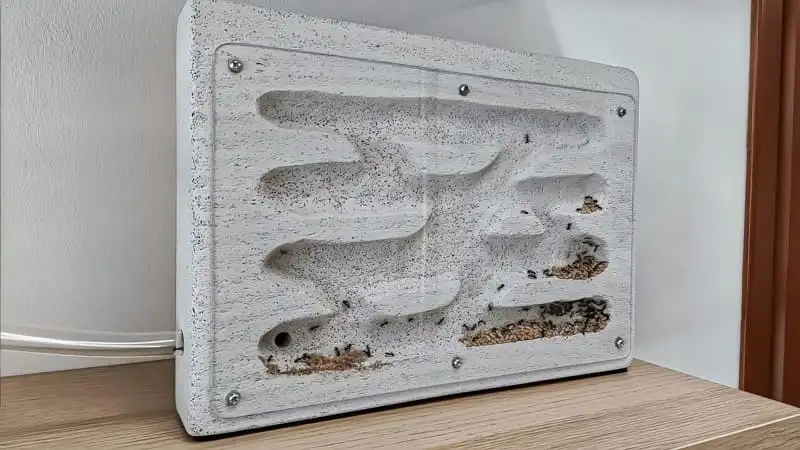
If you like this type of ant-keeping guide and also love to build things on your own, I would strongly suggest you check out my tutorial on how to make a Ytong nest! In this guide, I explain how to do it starting from a single block!
FAQs
5Hibernation in ants is a state of minimal activity and metabolic depression, a biological phase in which the metabolism slows down drastically and only the functions needed to stay alive remain active. It most commonly occurs during the winter months, when the queen stops laying eggs and brood development comes to a halt.
Ants hibernate because winter is harsh and ants are cold-blooded: their bodies cannot self-heat, and their metabolism depends on the external climate. Cold temperatures also make finding food and water extremely difficult. Hibernating lets the colony and the queen rest and wait for spring.
Most ant species can survive without hibernation, but I suggest hibernating your ants whenever your species does so in nature. Myrmecologists have found that the queen's lifespan, and with it the whole colony's, decreases drastically for every year without proper hibernation. Some species from warmer regions don't hibernate at all.
You can hibernate ants by placing them in a room that replicates the outside temperature, such as an unheated garage, or in a regular fridge. With the fridge, set it to the hibernation temperature of your species, place the colony inside and wait for spring. A garage offers low, constant temperature and little disturbance.
Start hibernation according to the natural cycle of your species. After finding a queen, research what species she is and if and when she hibernates, then plan the hibernation phase accordingly. Following the natural cycle can maximize the lifespan of the queen, and with it the lifespan of your whole colony.

Author
Bruma