Nest Comparison: WaKooshi Venus Nest vs Mercury Nest
 Bruma 7 min read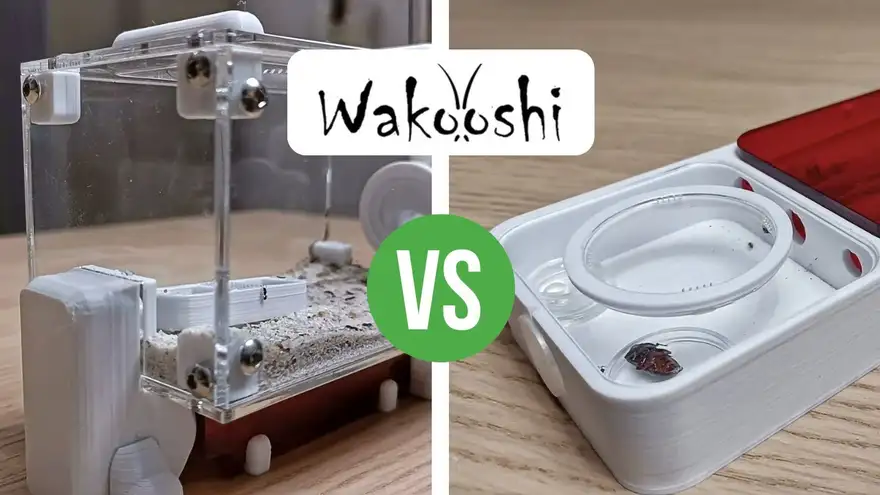
In short
The WaKooshi Mercury nest beats the Venus nest 3 points to 2, thanks to its bigger outworld, liquid feeder and standout build quality. The Venus is cheaper at £16.95 versus £21.95, holds three test tubes and has an auxiliary port, so it suits lower budgets and future expansion.
Hi guys! I hope you’re doing well!
Today I’m going to compare two great ant nests made by the company WaKooshi: the Mercury nest and the Venus nest! Let’s see which is the best! But before we start with the actual comparison, I want to take a moment to describe the two products very quickly.
The Mercury Nest

Discount!
Get this extremely cool ant nest on the WaKooshi online shop! Use the discount code BRUMA to get 10% off your entire order!
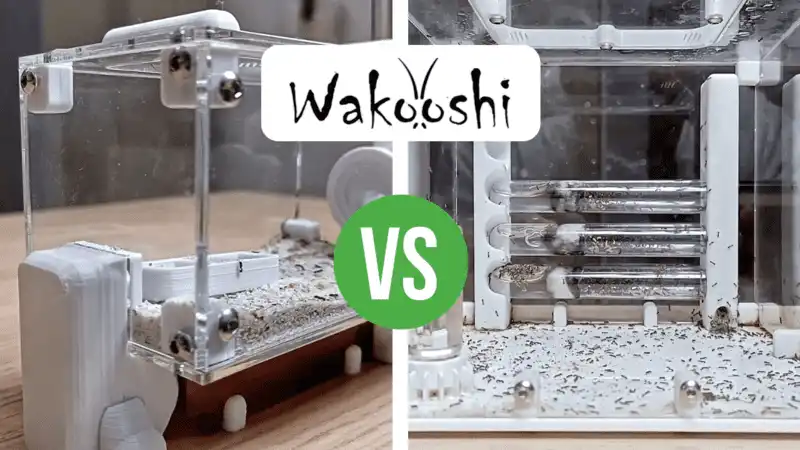
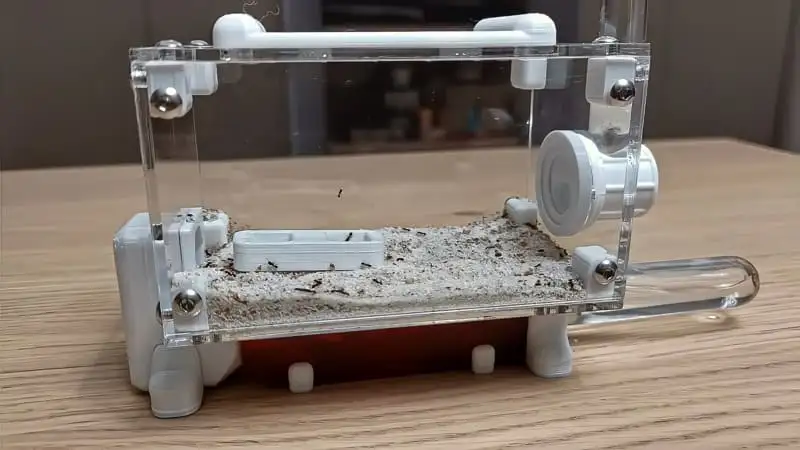
The first of the two nests that we’re going to compare today is called the Mercury nest. This nest is made of acrylic, and it’s based on a test tube setup. That means that the actual nest in which the ants live is, in fact, a very basic test tube setup, considered by most ant keepers to be the gold standard of starter nests.
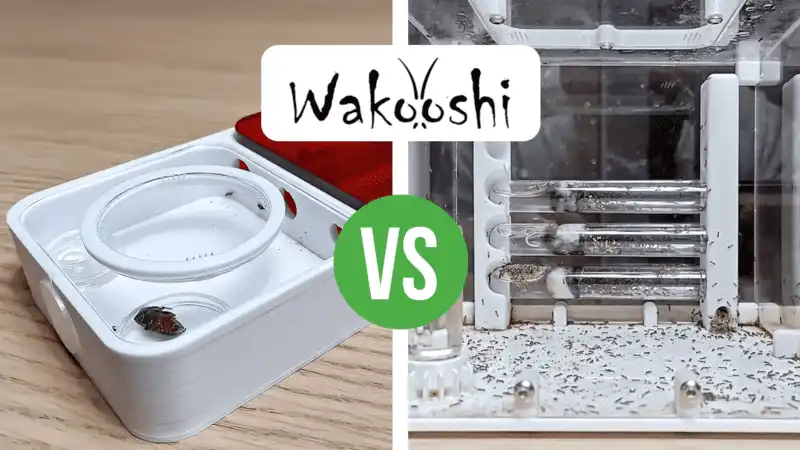
The main feature of this nest is the little outworld mounted on top of the test tube. This is a very clever solution, in my opinion, as it enhances the usability of the nest by including an outworld while keeping the space it takes on the shelf under control.
If you want to learn more about this nest, I would strongly suggest you check out my WaKooshi Mercury nest review! In this one, I go into detail, listing the pros and cons of this type of setup!
The Venus Nest
Discount!
Get this extremely cool ant nest on the WaKooshi online shop! Use the discount code BRUMA to get 10% off your entire order!
The other nest in this comparison is made by the same company, and it’s called the Venus nest. As you may have noticed, WaKooshi uses the names of planets as the model names for their nests.
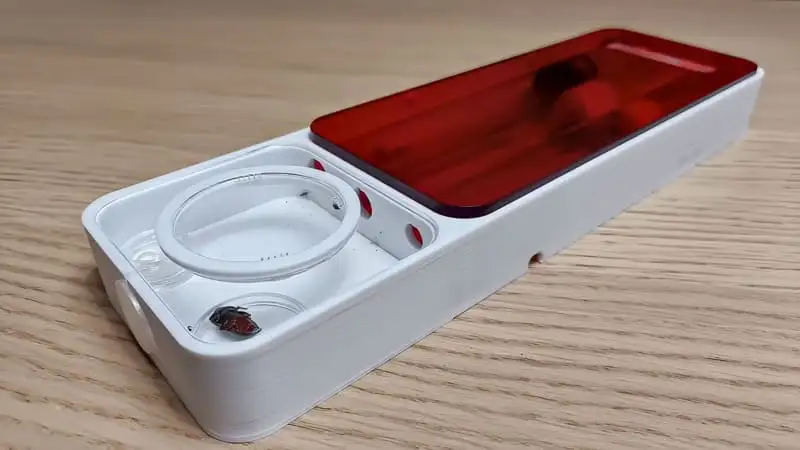
This one has a lot in common with the Mercury but also has some major differences. The Venus is also based on the same very basic setup as the Mercury, but instead of having just one test tube, it has three of them!
In this nest, the test tubes are placed side by side, creating an array of nests. Each test tube has its own little entrance, which connects the nests to the small outworld. The outworld in this nest is a lot smaller compared to the one on the Mercury nest, but it nevertheless does its job well.
Just like with the Mercury nest, I’ve also made a dedicated review for this nest! If you are interested, you can check out my WaKooshi Venus nest review!
The Company
These are two of the most popular ant nests made by WaKooshi.

If you have never heard of them, WaKooshi is a UK-based company, very popular in the ant-keeping community for their very cool 3D-printed nests. If you are interested in one of these nests, you can find their online shop at www.wakooshi.com.
The Comparison
To determine which of the two nests will be the winner, I will assign a point to only one of the two products in five different categories: price, build quality, features, aesthetics, and expandability. At the end of the comparison, the nest with the most points will be the winner!
Let’s start with the first category!
Price
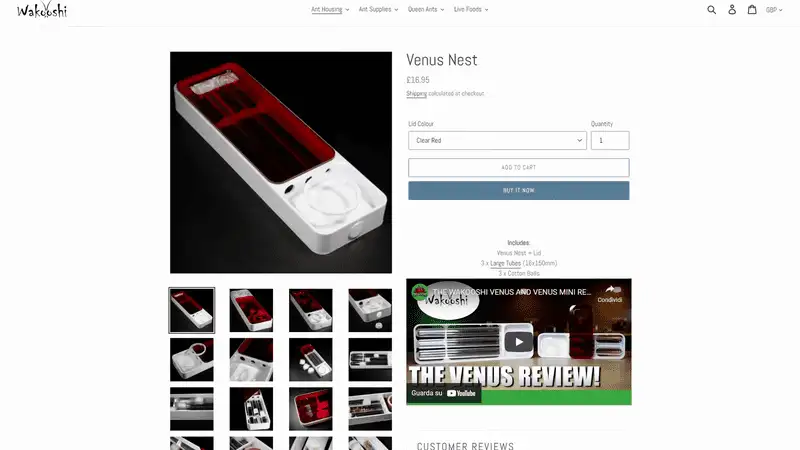
At the current date, the Mercury nest is a little more expensive than the Venus on the WaKooshi online shop. The price of the Venus is currently £16.95, or €20.95 if you live in a country that uses the euro.
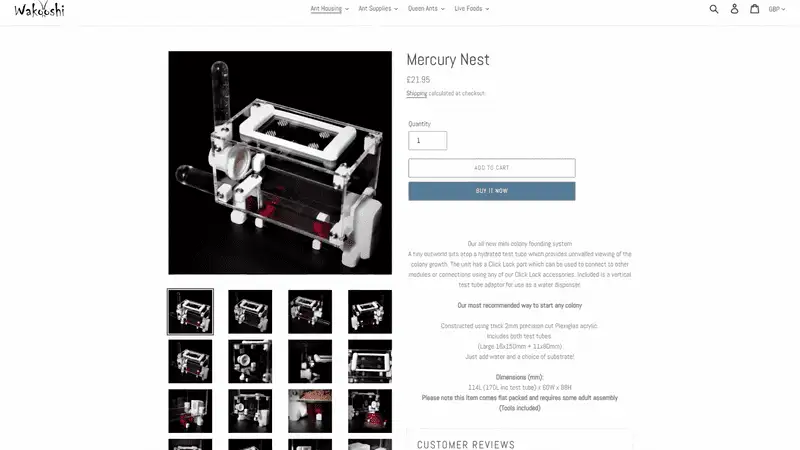
On the other hand, the price of the Mercury is £21.95, or €26.95. With a difference in price of just £5, the Venus is a bit cheaper compared to the Mercury.
Given that functionally the two nests are very similar, the point in this category goes to the Venus!
Build Quality
Both of these nests are built using 3D printing technology, a very modern technique used to create plastic parts. This technology uses an additive process that creates the plastic components by depositing various layers of material one above the other.
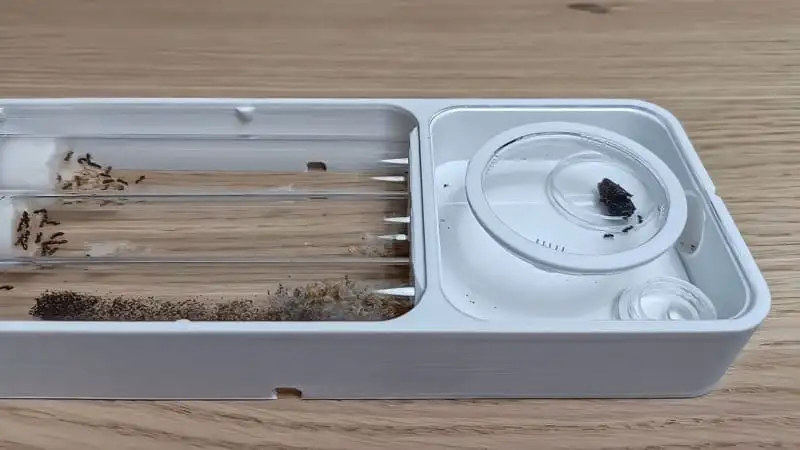
I have to admit that the 3D printing quality on both of these nests is extremely good! There aren’t any signs of smudges or errors caused by the 3D printer, and the surfaces are really well-made!
If you, like me, really enjoy 3D-printed ant nests, I would suggest you take a look at this other nest! This one is made by the same company and is perfect if you have a larger colony!
The acrylic panels available on both nests are also made with very high-quality materials, and the cuts are extremely precise. The acrylic panels of the outworld and the red covers are very clear, facilitating the view of the ants inside the nest.
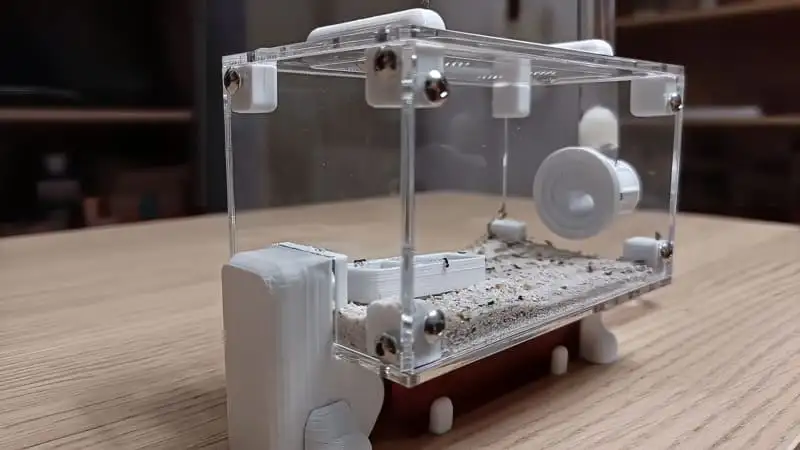
Given that both nests are made with the same 3D printer, this could be considered a tie! However, some of the pieces of the Mercury have really amazed me, and for this reason, the point for this category goes to the Mercury!
Features
Now to the features. Both nests offer lots of very useful features. They both have an outworld, a red lid cover, and both are based on the most trusted nest system: the test tube setup.
The three main differences between the Mercury and the Venus are the outworld size, the number of test tubes, and the additional liquid feeder that we find only on the Mercury.
The outworld of the Mercury nest is a lot bigger, and with its larger opening, it makes it a lot easier to access the inside and feed the ants.
Another useful feature that is present only on the Mercury is a little test tube-based liquid feeder.
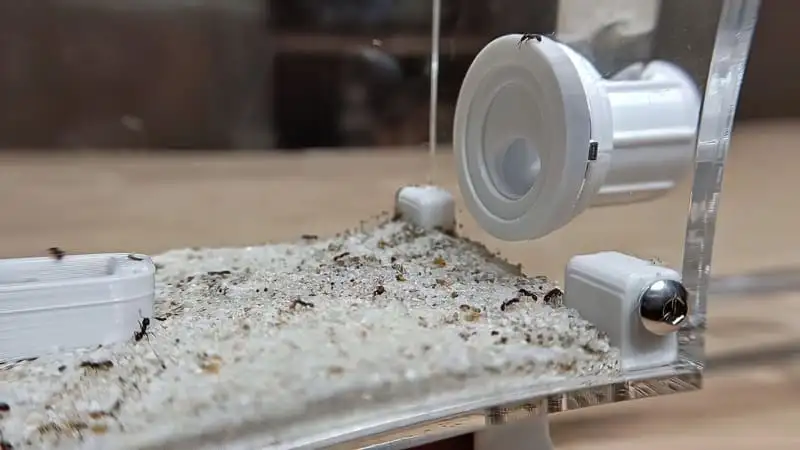
With this feeder, you can provide the ants with a constant source of various types of sugary liquids, an amazing upgrade compared to the more classic liquid drop in the feeding dish.
Thanks to these additional features, the point for this category goes to the Mercury!
Aesthetics
Personally, I like both nests. They are very different from any other nests that you can find on the ant-keeping market, and they are also very functional.
However, the little outworld of the Mercury catches the attention. It is really well-made, and with its included liquid feeder and 3D-printed lid, it easily outshines the one that we find on the Venus, both aesthetically and functionally.
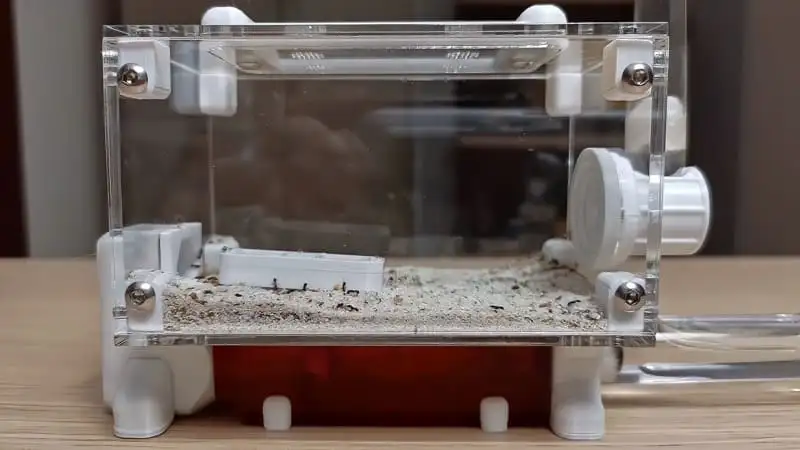
So for this category, I can confidently give the point to the Mercury!
So far, we are at 1 point for the Venus and 3 for the Mercury! Let’s continue with the last category!
Expandability
When it comes to expandability, the Venus easily wins. From what I’ve seen, the Mercury nest doesn’t have an option for expandability, and if there is, you probably have to buy a special connector separately.
On the other hand, the Venus has a dedicated auxiliary port made especially for this reason.
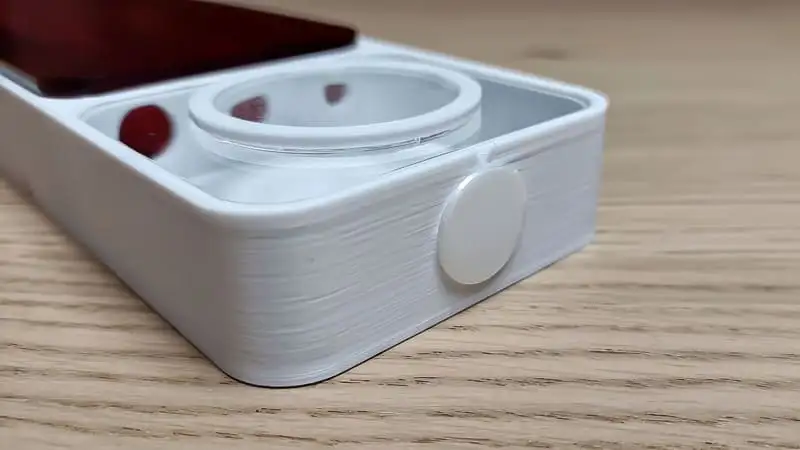
Through this little door, you can connect a bigger outworld or a larger nest, giving the ants a lot more nesting space.
For this reason, the final point goes to the Venus!
Comparison Table
Here’s a quick side-by-side summary of the two nests:
| Feature | Venus Nest | Mercury Nest |
|---|---|---|
| Price | £16.95 (€20.95) | £21.95 (€26.95) |
| Build quality | Excellent 3D printing | Excellent, some standout pieces |
| Test tubes | Three, side by side | One |
| Outworld | Much smaller | Bigger, larger opening |
| Extra features | Red cover | Red cover, liquid feeder |
| Expandability | Dedicated auxiliary port | No dedicated port |
| Points won | 2 (price, expandability) | 3 (build quality, features, aesthetics) |
| Best for | Lower budgets, future expansion | Easier feeding, sugary liquids on tap |
Conclusions
The verdict is in! The Mercury wins this competition with just one point more than the Venus!
I hope you have found this product comparison helpful!
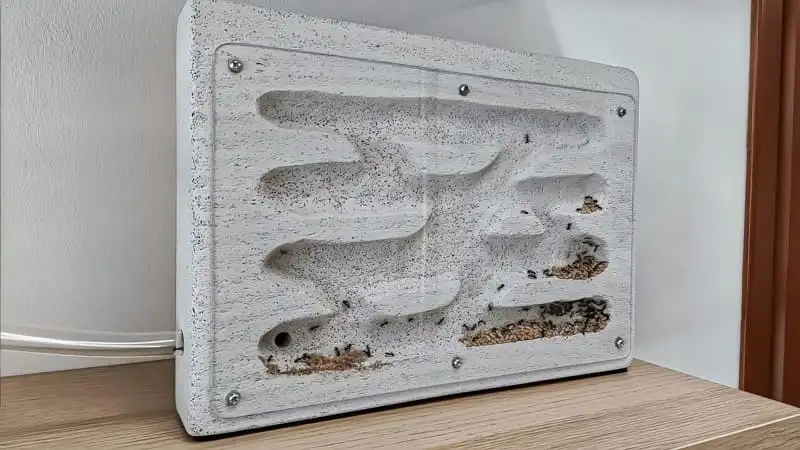
If you liked this comparison and you love making DIY projects, I would strongly suggest you check out my tutorial on how to make a Ytong nest! In this one, you will learn how to build one all by yourself!
FAQs
5The main differences between WaKooshi's Mercury and Venus nests are the outworld size, the number of test tubes and the liquid feeder. The Mercury has a much bigger outworld and a test tube-based liquid feeder, while the Venus has three test tubes side by side and a dedicated auxiliary port for expansion.
The Mercury nest is the more expensive one: it costs £21.95 (€26.95), while the Venus costs £16.95 (€20.95) on the WaKooshi online shop. That is a difference of just £5, and since the two nests are functionally very similar, I gave the Venus the point for price.
Yes, the Mercury and Venus nests are both built with 3D-printed plastic parts and acrylic panels. I was impressed by the quality of the 3D printing on both, with no signs of smudges or printer errors, and the acrylic panels are very clear and precisely cut.
The Venus nest is the one built for expandability, while the Mercury nest has no option for it. The Venus has a dedicated auxiliary port where you can connect a bigger outworld or a larger nest. From what I've seen, on the Mercury you would probably have to buy a special connector separately.
The Mercury nest won the comparison with 3 points to the Venus's 2. The Mercury took build quality, features and aesthetics, while the Venus won on price and expandability. So the Mercury wins by just one point, though the Venus is still a good pick for lower budgets and future expansion.

Author
Bruma