Escape Prevention
Definition
The barriers and design choices that stop ants from leaving their setup, most often a slippery escape prevention oil brushed around the top of the outworld, plus tight lids and stoppers.
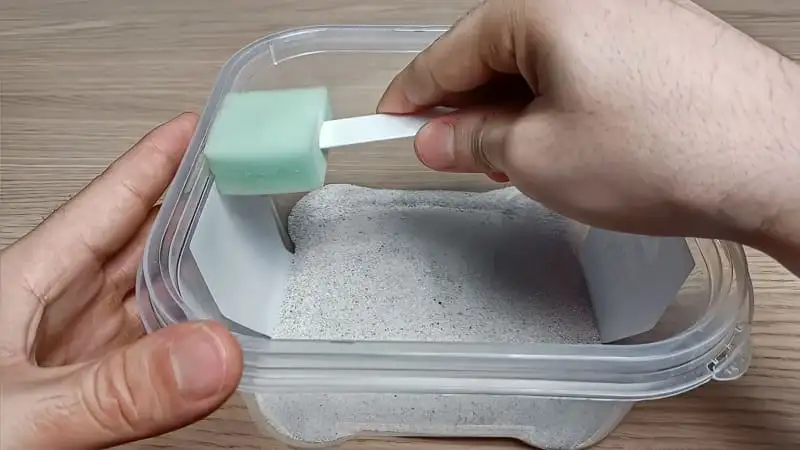
Escape prevention covers everything that keeps your ants where they belong. The most common tool is escape prevention oil, a special liquid sold by ant keeping shops. Brushed in a band around the top of an outworld, it creates a surface the ants can't grip, so they slide back down instead of climbing out.
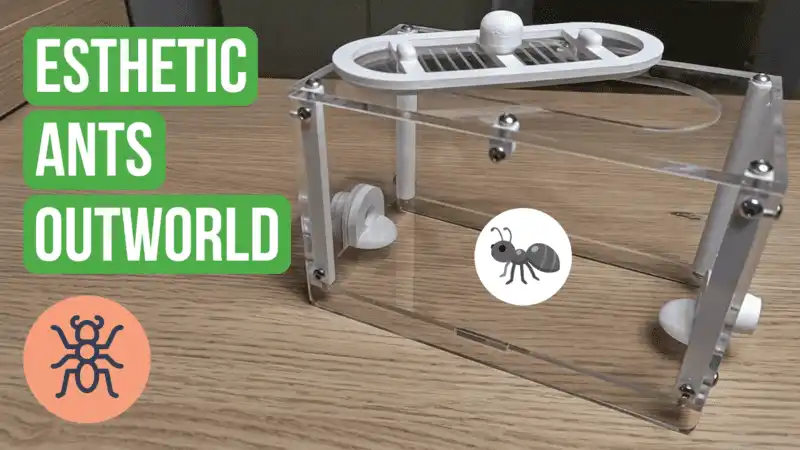
The best outworlds have a flat horizontal panel at the top just for the oil. The ants would have to walk upside down to get past it, which is much harder than climbing a wall, and you don't end up with an oily stripe on the sides. Tight lids, plastic stoppers for unused ports and nests without gaps between the parts do the rest.
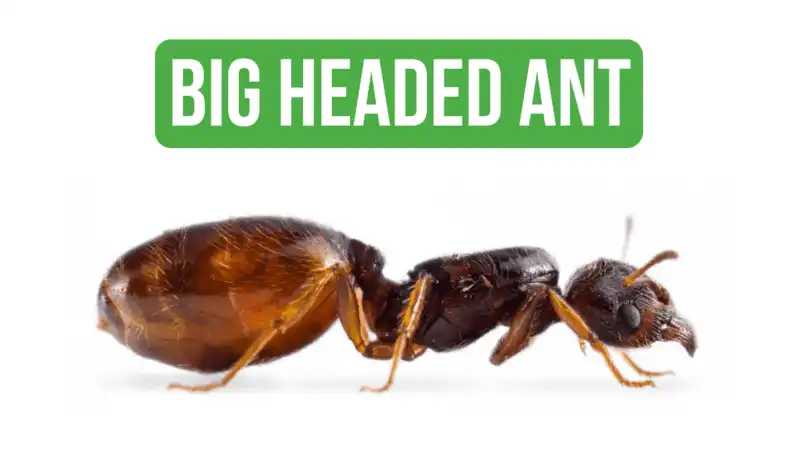
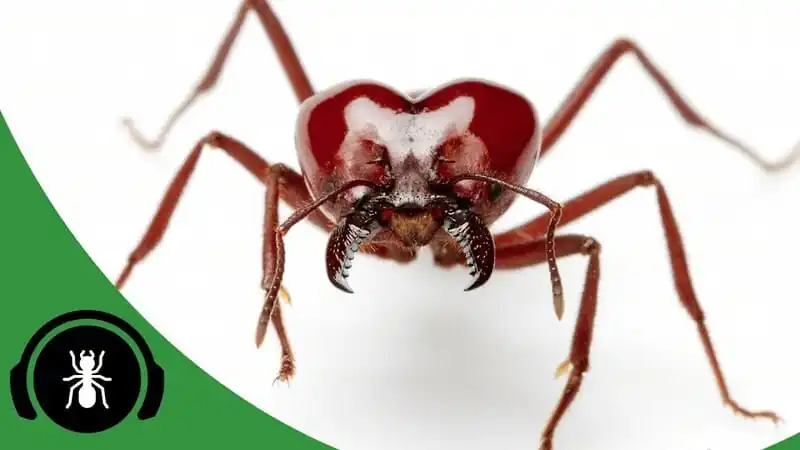
Some species really test your setup. Pheidole pallidula and Tetramorium caespitum are tiny and great at finding weak spots, Messor majors can chew through Ytong, and keepers often tell stories of leafcutters escaping through a compromised setup.
In practice
- Apply the oil with a sponge or paintbrush in one continuous band, without gaps between the strokes.
- Check the barrier during your weekly maintenance and add more oil when it wears off or gets dirty.
- Close unused ports with proper stoppers instead of cotton, which some ants can chew through.
- Before a vacation, inspect every lid, tube and connection.