Diapause
Definition
A programmed resting phase in which an ant colony slows its metabolism, the queen stops laying eggs and brood development pauses, usually triggered by the cold and short days of winter.
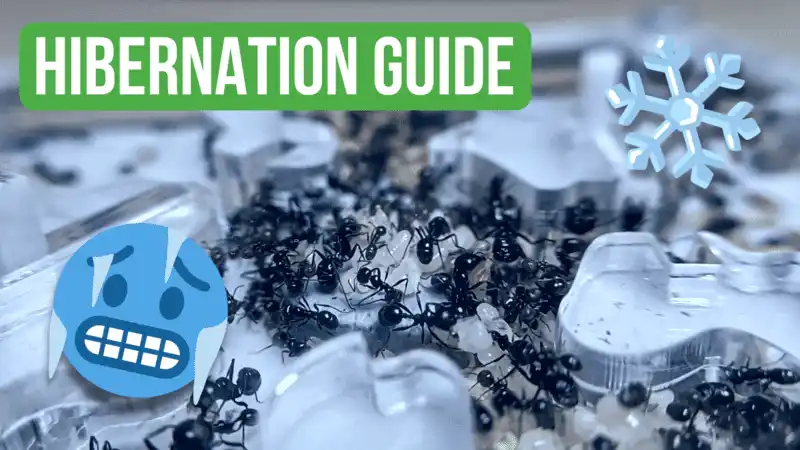
Diapause is the biological pause that many ants from temperate regions go through every winter. The queen stops laying eggs, the larvae stop growing, and the whole colony runs on a much slower metabolism until spring comes back.
What makes diapause special is that it isn't only a reaction to the cold. It's a programmed phase, controlled by the ants' own internal clock. That's why many keepers notice that, even in a warm room, the queen lays fewer eggs in autumn and the workers go out foraging much less often. The colony "knows" it's time to rest.
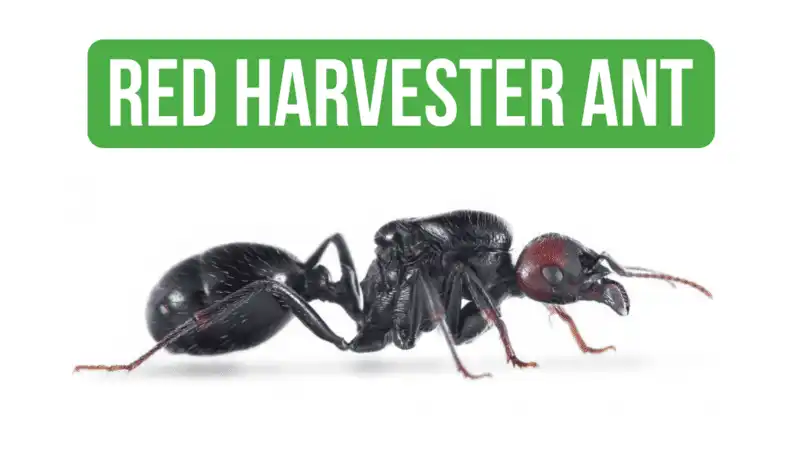
In the hobby, most people simply call this phase hibernation. When I write that Lasius niger or Messor barbarus need "at least a couple of months of diapause", I mean exactly this: a period of rest from around late October to March, kept at a cool temperature that suits the species. Skipping it year after year can shorten the queen's life, and with her, the life of the whole colony.
Not every species has a diapause. Many tropical ants stay active all year, and only slow down a little when conditions change.
In practice
- Research your species first: find out if it needs diapause, when it starts and which temperature it prefers (around 10 °C for Lasius niger, around 15 °C for Messor barbarus).
- Don't panic if your colony becomes sleepy in autumn. Fewer eggs and less activity are normal signs that diapause is starting.
- Turn off any heat source before the rest period, and make sure the test tube still has plenty of water.
- Bring the colony back to room temperature gradually in spring, then start feeding again once the ants become active.