How To Catch Your First Queen Ant!
 Bruma 9 min read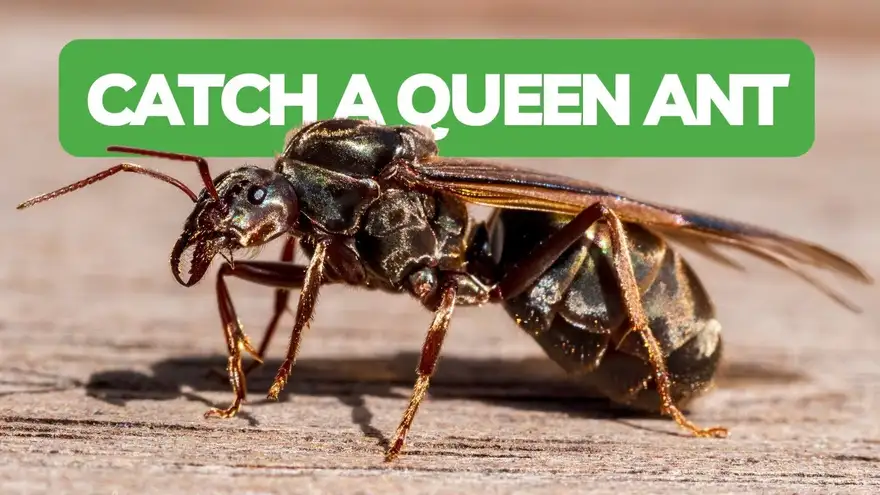
In short
To catch your first queen ant, wait for a nuptial flight, usually on hot, humid summer nights after rain, then catch queens (larger than males, with a bigger gaster and thorax) in a plastic container and move them to a test tube setup. Catch several, since not all are fertile.
Where do I find a queen ant? Do I need to buy one online? Is there a way to get one for free? If these are some of the questions that are running through your mind right now, you’ve found the right guide!
In this short article, we’re going to learn how to catch our very first queen ant, the mother of all the members of the colony!
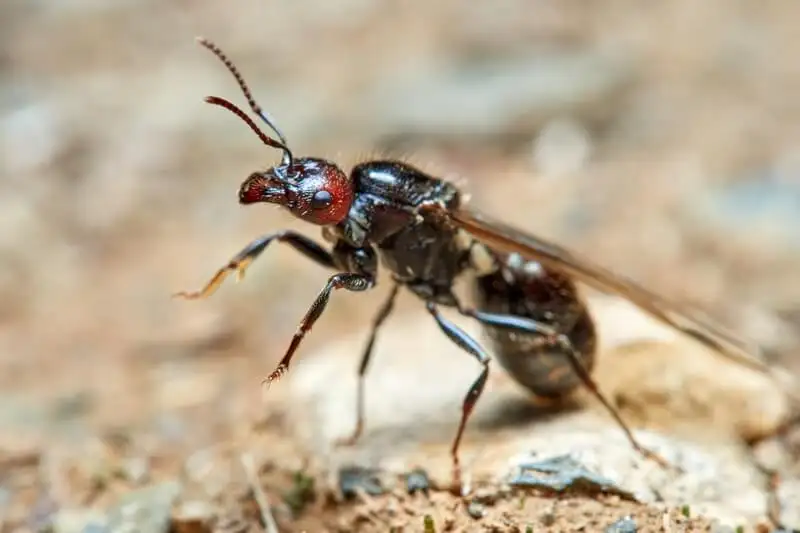
As you probably already know, she is the most important component of an ant colony, and in order to start our own little ant empire, we first need to get our hands on a newly mated queen ant!
But how do I catch a queen ant?
To answer this important question, let’s start by explaining what a nuptial flight is!
What Is A Nuptial Flight?
Have you ever seen those weird clouds made of insects that suddenly appear out of nowhere during hot summer nights? Well, that’s exactly what we’re talking about! This is where all the ant magic begins!
A nuptial flight, also known as a mating flight, is a behavior exhibited by certain species of insects in which the males and females fly high into the air in order to locate and attract potential mates. This behavior is most commonly seen in ants, termites, and some species of bees.
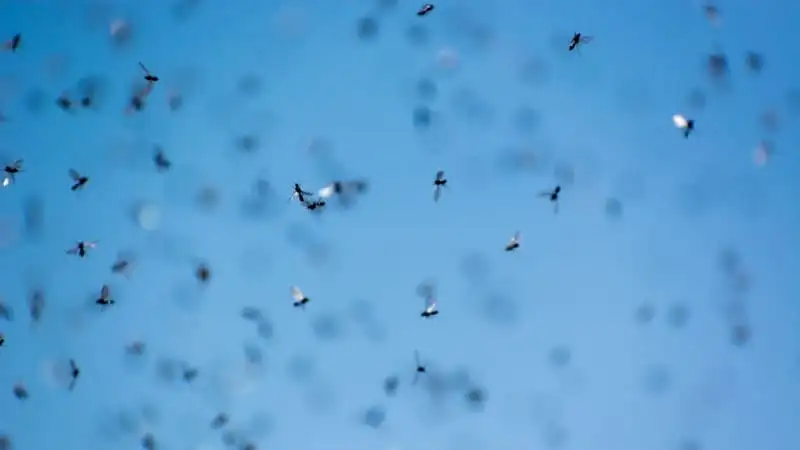
Now you may be wondering: But wait a minute, ants don’t have wings! How do they fly? Well, normally you would be right! Worker ants don’t have wings! But there’s a catch! Some types of ants are actually winged! The male and female castes of ants have a special type of wing that enables them to fly just for this very particular moment! Cool, isn’t it?
During a nuptial flight, the winged ants fly high into the air and release pheromones, particular types of chemicals that are used to communicate with other members of their species.
The males often fly in large groups, creating the characteristic cloud-shaped swarm we talked about before!
These pheromones spread all around the swarm, and with a little help from the wind, they can travel long distances! All of this is done just for one purpose: to help males and females find each other! In many species, it’s actually the queens that attract the males.
Once the females have been located and attracted to the swarm, they mate with one or more of the males before returning to the ground to start a new colony. In ants, the males usually die shortly after mating.
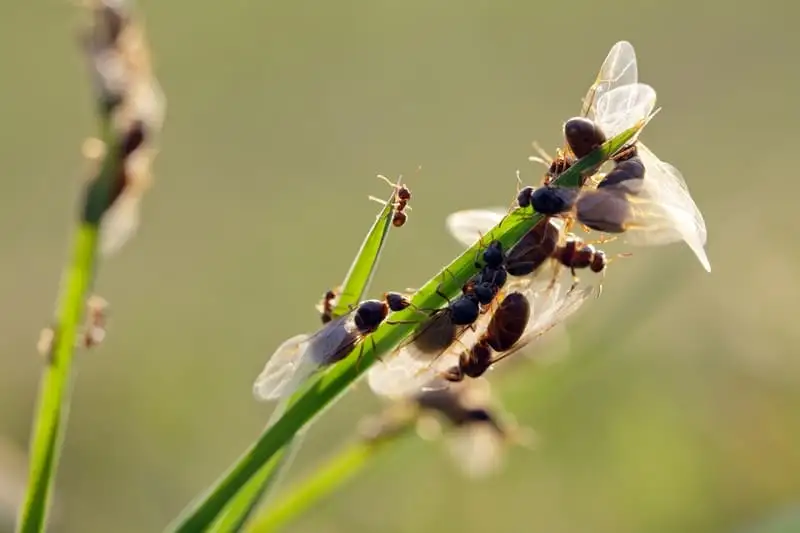
Nuptial flights are a crucial part of the reproductive cycle for most ant species and play a vital role in their ability to reproduce and populate new areas. For us ant keepers, this is an extremely important phase, as it provides us with an opportunity to catch lots of queen ants!
One important thing to point out is that not all ant species have nuptial flights, and not all areas will experience them at the same time. These mating flights happen under rare and specific circumstances, such as the right humidity levels, temperatures, and time of day.
Now that we know what a nuptial flight is, let’s discuss how to spot them and what factors make them happen.
How Do I Know When A Nuptial Flight Is Going To Occur?
Predicting the exact timing and location of a nuptial flight can be a very challenging activity; however, there are a few general indicators that can help you determine if a nuptial flight is likely to occur.
Many species of insects are incredibly sensitive to changes in temperature and humidity and will only engage in nuptial flights when a certain set of conditions is favorable. For example, some species of ants only mate when the ambient temperature is above a certain threshold, while others only mate when there’s a high level of humidity in the air.
As a general rule, most species of ants tend to swarm during hot and humid summer nights, which typically occur after strong and persistent rainstorms. In these unusual and infrequent conditions, the environment is typically very wet and humid, making it an ideal time for ants to engage in this spectacular mating behavior!
In these rare circumstances, you will likely see massive swarms of winged ants flying near street lamps, attracted by their strong and bright light.

If you’re interested in these particular behaviors and want to know more about what types of ants join the nuptial flights, I would suggest you check out my article on the different roles in an ant colony! In this one, I introduce all the types of ants that we can find in a colony!
Now you may be wondering: OK, but what should I do when I see a swarm like the one you just described?
Let’s jump to the next phase!
What Should I Do During A Nuptial Flight?
This is finally our chance to get our first queen ant!
From personal experience, I would suggest you catch more than one queen at a time, as it’s very likely that not all of them will be fertile, and not all of them will survive the long founding stage.
In order to catch our queen during the nuptial flight, it is essential to have the right equipment on hand. A little plastic container like this one is crucial for capturing the queen and will function as a temporary home for our precious ant.
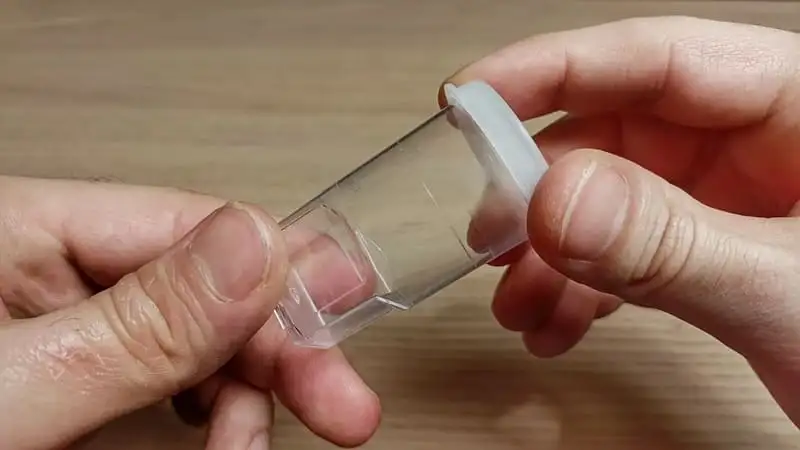
Once you have your equipment ready, it is time to head out near the swarm. If possible, try to position yourself downwind of the swarm, as this will give you a better chance of intercepting the queen as she flies by.
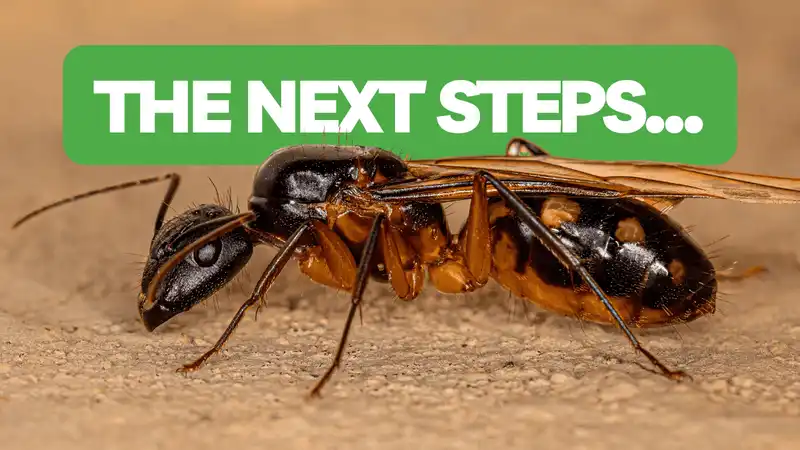
Queen ants are very easy to identify! They are usually much larger than males, and they also have a bigger gaster and thorax.
When you spot a queen on the ground or on some nearby plant, gently sweep your little container in front of her and try to capture her without harming her. If you are successful, congratulations! You just caught your first queen ant!
Now we just need to find her a proper home!
Where Should I Put My Queen?
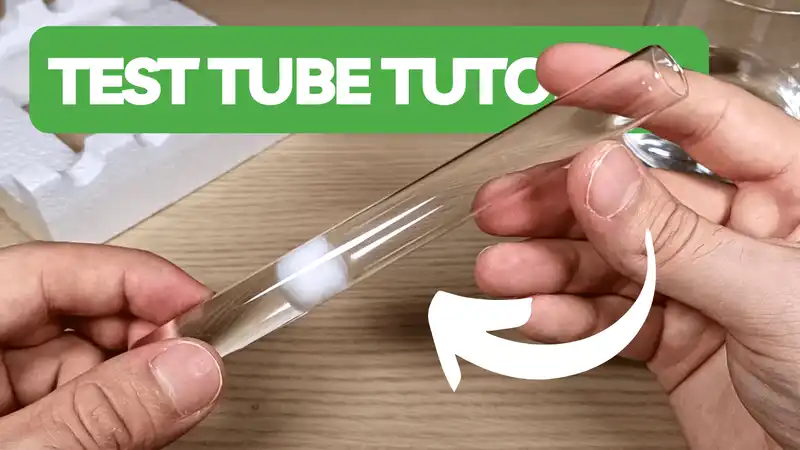
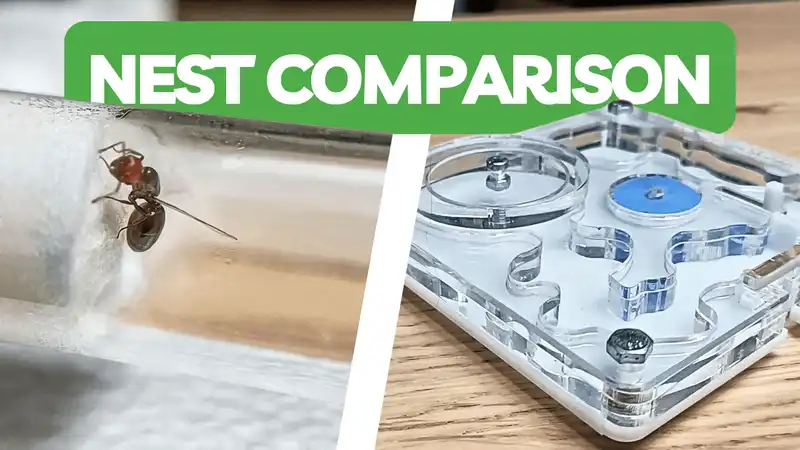
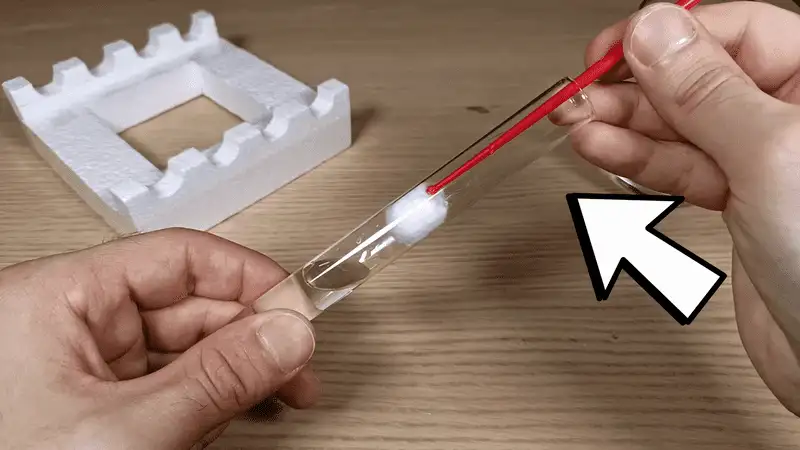
Once we have our little queen ant, it’s time to place her in a comfortable and safe environment! One of the best founding nest options we can use for this purpose is the so-called test tube setup!
This particular type of setup is considered by most ant keepers to be the gold standard of founding nests, and rightfully so! The test tube setup is undoubtedly the best way to recreate the environment that a young colony experiences in the wild, replicating the same amount of space, humidity, and temperature.
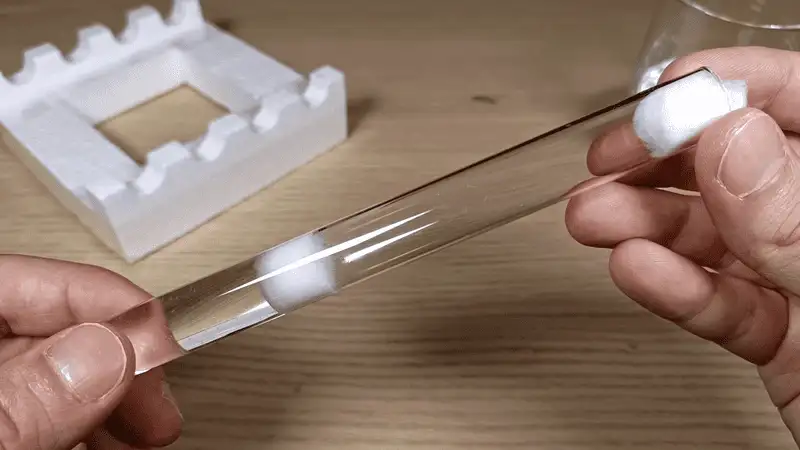
You can easily make this great starter nest with very few inexpensive items you may already have in your home. All you need is a test tube, some cotton, some water, and a long stick of some sort!
If you are new to ant keeping and don’t already know how to prepare this extremely effective type of founding nest, I would suggest you check out my tutorial on how to make a test tube setup! In this one, I explain in detail everything you need to know to create the perfect one!
At this point in the article, like the majority of people who are starting to get interested in this hobby, a question is probably running through your mind.
Why do I need to do all this work and spend all this time just to get my hands on a newly mated queen ant? Is there a faster way to start an ant colony that saves me this load of time and effort?
Well, actually, there is!
Can I Buy A Queen Ant Online?
Here it is, the million-dollar question! And for a swift answer, absolutely, of course, you can!
Buying a queen ant online has become one of the easiest things you can do as an ant keeper! In the last decade or so, more and more ant-keeping shops have started to specialize in selling ants directly to consumers, creating a completely new, easier-than-ever way to get started with this amazing hobby!
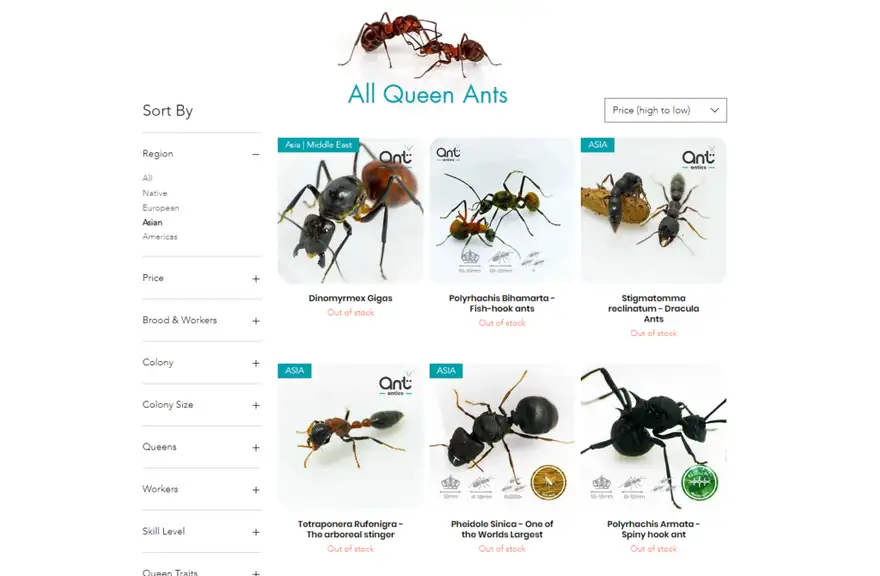
Today, most ant-keeping shops also offer the option to buy already mature and large ant colonies! That’s really convenient! This relatively new type of service has opened the door to all-new kinds of ant keepers, expanding the hobby even more!
Buying ants online gives the ant keeper lots of advantages:
- 1It’s a lot easier and more convenient to get your hands on your first newly mated queen ant.
- 2You can be sure that the queen that’s sent to you is fertile and ready to start a healthy colony right from the start.
- 3You have a massive amount of options when it comes to choosing the ant species of your choice.
In a nutshell, it’s basically an effortless task!
If you are not on a budget and don’t mind spending some money to start this amazing hobby, I would suggest you check out my article on where to find queen ants for sale! In there, you can find a list of some of the most popular ant-keeping online shops specialized in selling queen ants and already mature colonies!
However, like everything else in this world, this type of service also has some drawbacks. First of all, the price: the more convenient a service is, the more it costs. If you’re a beginner ant keeper who is planning on joining this hobby, you probably don’t want to spend a ton of money just to get started!
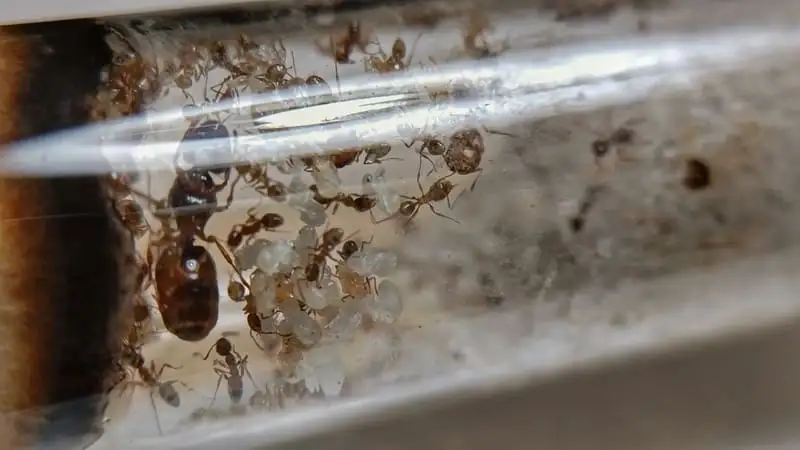
Buying a queen ant online adds another cost to the mix, and given the fact that lots of beginner ant keepers make many mistakes at the start of their ant-keeping journey, which results in the death of the queen, I don’t think this is the best move!
Another negative aspect of this service, as you can imagine, is the personal satisfaction aspect. Catching your first queen ant by yourself gives the ant keeper an enormous sense of satisfaction, and seeing your colony grow from the ant you personally caught is incredibly fulfilling!
So, for these reasons, I would suggest you catch your first queen ant by yourself, and maybe start buying ants online only after having accumulated some experience!
Conclusions
So, that’s it! That’s everything you need to know when it comes to getting your very first queen ant! Now it’s time to apply what you’ve learned today, and hopefully you will be able to start your own little ant empire from scratch!
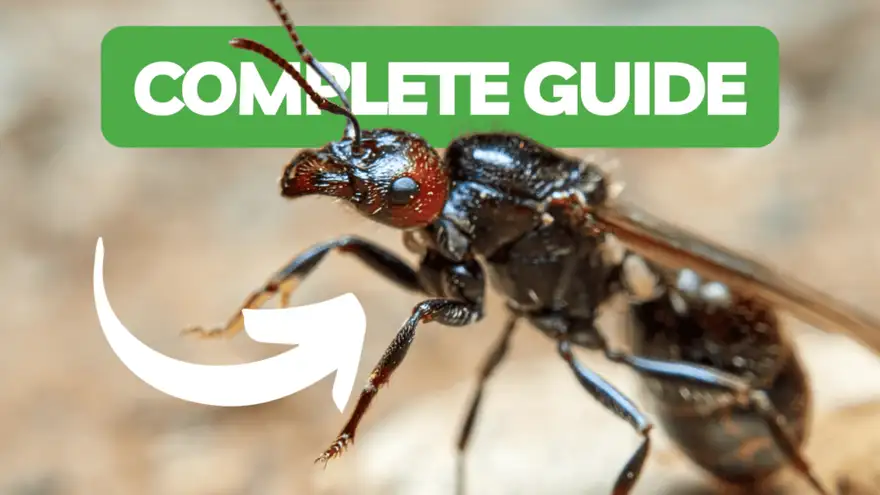
If you’re new to ant keeping and want to be sure to start this hobby the best possible way, I would strongly suggest you check out my complete guide to ant keeping! It’s a detailed starting guide, explaining everything you need to know to take your first steps in this amazing and underrated hobby!
FAQs
5A nuptial flight, also called a mating flight, is when winged male and female ants fly high into the air to locate and attract mates. It is a crucial part of the reproductive cycle for most ant species, and for ant keepers it is the chance to catch lots of queen ants.
Nuptial flights usually happen on hot and humid summer nights, typically after strong and persistent rainstorms. Not all species or areas swarm at the same time, because flights need the right humidity, temperature and time of day. So keep an eye on the weather in your area, and be ready to head out on warm, humid evenings after rain.
A queen ant's fertility is hard to tell just by looking, so I suggest catching more than one queen during the nuptial flight. From personal experience, not all of them will be fertile, and not all will survive the long founding stage. Catching several raises your chances of ending up with a good queen.
Yes, you can catch a queen ant in your backyard if you know when and where to look, especially during a nuptial flight. Watch on hot and humid summer nights after rain, and look for winged ants near street lamps. Queens are usually much larger than males, with a bigger gaster and thorax.
I suggest catching your first queen yourself and buying ants online only after you have gained some experience. Catching one gives an enormous sense of satisfaction, while buying online is easier and the queen is certain to be fertile, but it adds a cost, and beginners often make mistakes that kill the queen.

Author
Bruma