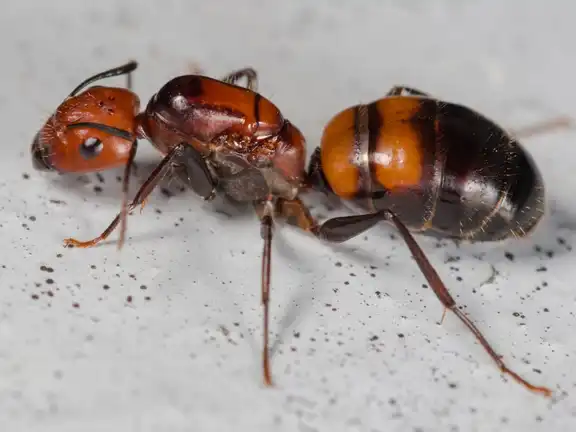
Camponotus nicobarensis
Nicobar carpenter ant
DifficultyBeginner · 4/7
Species comparison
Side by side: difficulty, size, growth, climate, hibernation and nuptial flights, from the data and sources of each species sheet.
| Camponotus nicobarensis | Fact | Camponotus pennsylvanicus |
|---|---|---|
| Keeping | ||
| Difficulty | ||
4/7 Beginner | Difficulty | 4/7 Beginner |
| Escape risk | ||
High | Escape risk | LowerMedium |
| Diet | ||
SugarInsects | Diet | SugarInsects |
| Best nests | ||
Ytong nest · Acrylic nest · Wooden nest | Best nests | Ytong nest · Wooden nest · Naturalistic setup |
| Colony | ||
| Growth | ||
FasterVery fast | Growth | Moderate |
| Colony size | ||
Reaches 10,000 workers | Colony size | Reaches 15,000 workers |
| Workers | ||
5–8 mm majors up to 12 mm | Workers | 6–10 mm majors up to 13 mm |
| Queen | ||
14–16 mm | Queen | 15–18 mm |
| Colony founding | ||
Fully claustral One queen | Colony founding | Fully claustral One queen |
| Defense | ||
Bites · Sprays formic acid | Defense | Bites · Sprays formic acid |
| Climate | ||
| Nest temperature | ||
22–28 °C | Nest temperature | 22–27 °C |
| Nest humidity | ||
50–70 % | Nest humidity | 50–70 % |
| Hibernation | ||
Not needed | Hibernation | 5–10 °C Oct – Feb |
| Nuptial flights | ||
Mar – Jun | Nuptial flights | Apr – Jul Hot days · Calm weather |
| Native range | ||
Asia | Native range | North America |
Camponotus nicobarensis
Camponotus pennsylvanicus
Camponotus nicobarensis : Nuptial flights: Mar – Jun
Camponotus pennsylvanicus : Hibernation: Oct – Feb, Nuptial flights: Apr – Jul
Months in the native range of the species. The weather decides the exact days, and colonies kept indoors can follow a different rhythm.
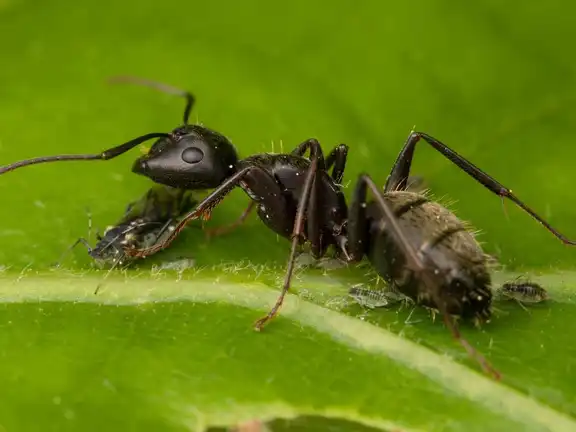
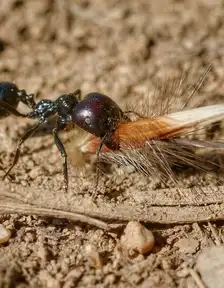
Brown to reddish-brown workers of many sizes, from small minors to much larger majors, with long, dense, erect hairs all over the body. The gaster is plain brownish, not banded in black and yellow like the similar Camponotus habereri, and colors vary with the origin of the stock, which is why some shops list it as 'cf. nicobarensis'.
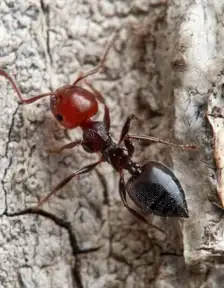
Large, all-black workers of many sizes, with pale yellowish to golden hairs lying flat on the gaster, long and dense on the bigger workers. Camponotus herculeanus and western C. modoc have short gaster hairs, and C. herculeanus usually has a dark reddish thorax or legs, while C. chromaiodes often shows red on the thorax, legs or gaster base and C. novaeboracensis has a red thorax and legs.
Take the 1-minute species finder quiz and get matched with the perfect species for your experience, your space and what you'd love to watch.