Petiole
Definition
The narrow waist segment between an ant's thorax and gaster. Some ants have a single petiole, while others have a second segment behind it, called the postpetiole.
The petiole is the famous "ant waist": the thin segment that connects the middle of the body to the gaster. It's one of the features that make an ant look like an ant, and it gives the gaster a lot of freedom to bend and turn, which is handy for stinging, spraying or squeezing through tight tunnels.
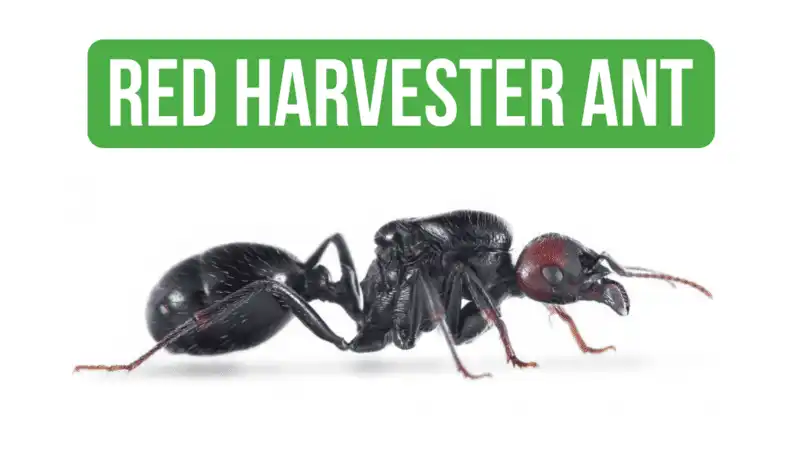
Not all ants have the same waist. Ants like Lasius niger, Formica cinerea and Camponotus have one segment, the petiole, often shaped like a small upright scale. Ants like Messor barbarus, Pheidole pallidula, Tetramorium caespitum and Crematogaster scutellaris have two segments: the petiole followed by a second node called the postpetiole.
Crematogaster is a fun example. Its postpetiole attaches to the top of the gaster instead of the front, which is why these ants can raise their heart-shaped gaster up over their back.
In practice
- When you're trying to identify a queen you caught, count the waist segments. One or two nodes quickly narrows down the options.
- A clear side photo showing the waist makes it much easier for people on ant keeping forums to identify your queen.
- Use a magnifying glass or your phone's macro mode. On small workers, the petiole is tiny and easy to miss.
- Be gentle if you ever have to move a queen by hand: the waist is a thin, delicate part of the body.