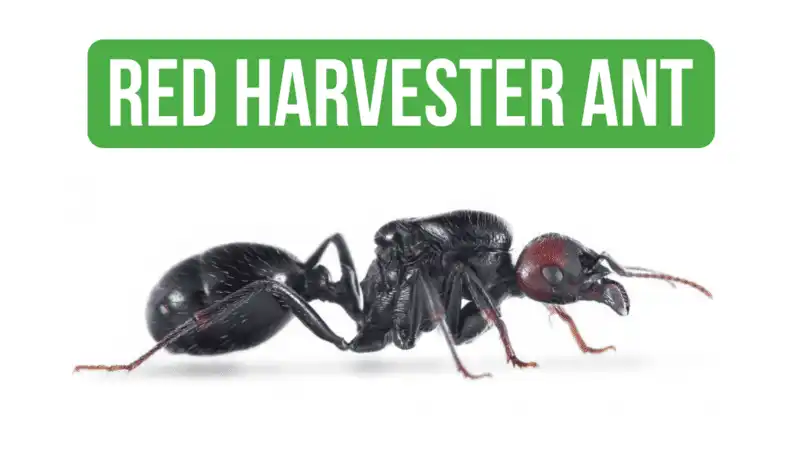
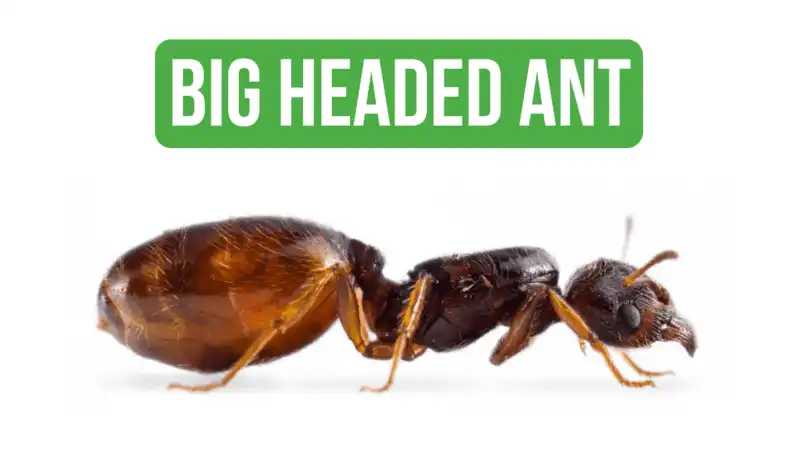
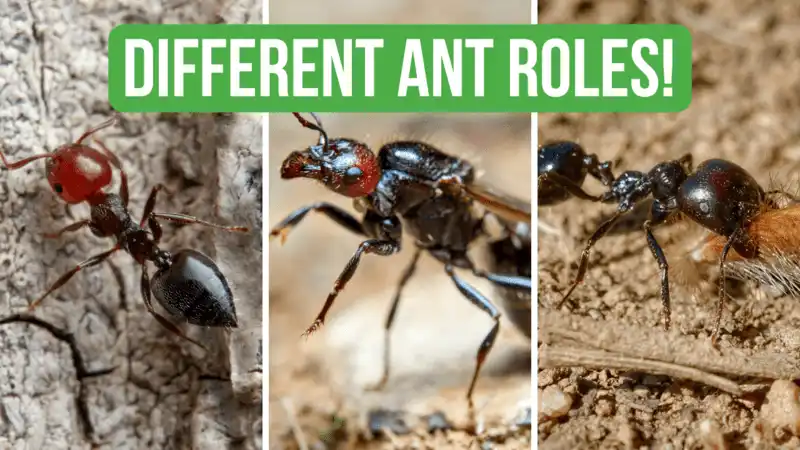
Polymorphism
Definition
The presence of workers of clearly different sizes and shapes in the same colony, such as small minor workers and large, big-headed major workers, often with different jobs.
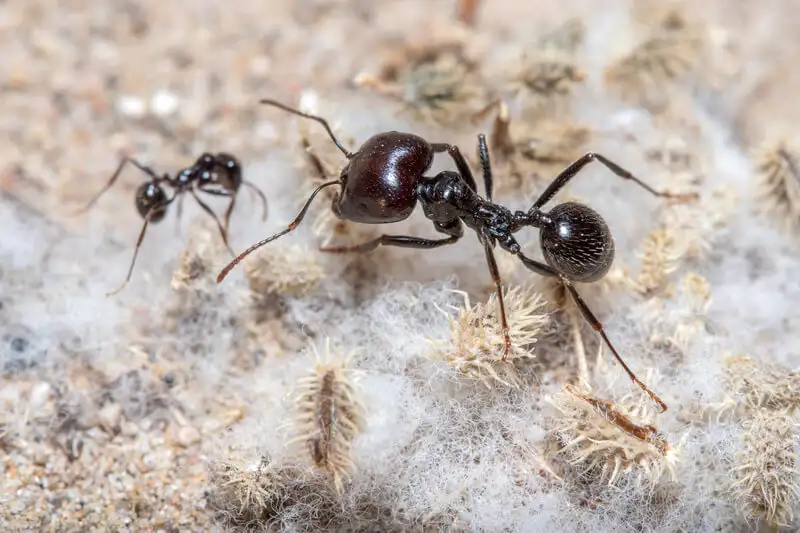
Photo: Jorge/stock.adobe.com
In many ant species, all the workers look pretty much the same. In others, the colony raises workers in very different sizes, and that's what we call polymorphism. The smaller ones are called minors, and the big ones majors, sometimes also called soldiers.
Worker size isn't decided by genetics in the usual way. It mostly depends on how the larva is raised, especially how much it's fed, so the colony can "decide" how many big workers it needs.
Messor barbarus is a classic example: the smallest workers measure around 3 mm, while the majors can reach up to 14 mm, with a huge red head for cracking seeds. In Pheidole pallidula, the sizes are split into two clear groups, tiny minors and big-headed majors, which is sometimes called dimorphism. Camponotus and leafcutter ants are polymorphic too.
In practice
- Don't expect majors right away. A young colony first produces small workers, and majors appear as it gets bigger and better fed.
- Plenty of protein helps a polymorphic colony raise larger workers.
- Remember that majors have powerful mandibles. In Messor, they can chew through soft materials like Ytong, so choose your nest with that in mind.
- Polymorphic species are a joy to watch, because you can see the division of labor with your own eyes.