Pheromone
Definition
A chemical signal released by an ant to communicate with other members of its species, used to mark food trails, raise the alarm, recognize nestmates and attract mates.
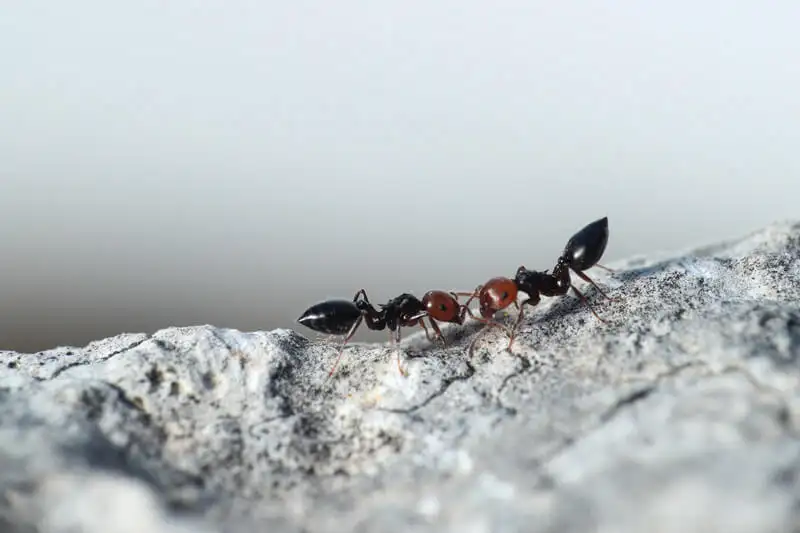
Photo: Charles Galea Bonavia/Wirestock/stock.adobe.com
Ants live in a world of smells. A pheromone is a chemical signal an ant releases to send a message to other ants of the same species. They mostly "read" these messages with their antennae, and pheromones are behind almost everything a colony does together.
The classic example is the trail pheromone. When a forager finds food, she leaves a chemical trail on the way back to the nest, and her nestmates follow it. The more ants use the trail, the stronger it gets. That's why you see those neat lines of ants marching between the nest and your feeding area.
There are many other types too. Alarm pheromones warn the colony of danger and can make workers rush out ready to fight. Colony odors help ants tell nestmates from intruders. And during the nuptial flight, winged ants release pheromones to find each other; in many species it's the queens that attract the males.
In practice
- Clean the outworld with plain water, not scented products. Strong smells and residues can confuse or harm your ants.
- Always wash your hands before working on a setup, since soaps and lotions leave odors the ants will notice.
- If your ants suddenly rush out with open mandibles after a disturbance, that's alarm pheromone at work. Close the setup and give them time to calm down.
- Placing food in the same spot every time helps your colony build stable foraging trails.