Polygyny
Definition
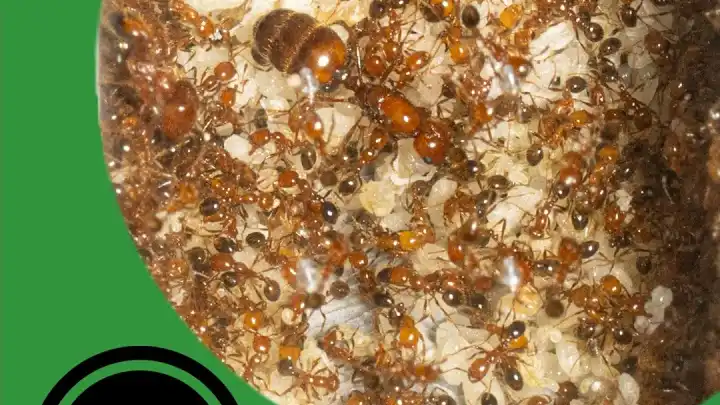
A colony structure with more than one egg-laying queen living and working together. Polygynous species can accept several reproductive queens in the same nest.
Polygyny means "many queens". In polygynous species, a single colony can contain several queens, all laying eggs side by side. Depending on the species, there might be just a few, or many queens spread over several connected nests.
Having more than one queen comes with big advantages. The colony produces more eggs, so it can grow faster, and it doesn't die when one queen does. In many polygynous species, new queens can even be adopted back into their home colony after mating, and colonies can spread by budding, when a group of workers and queens walks off to start a new nest nearby.
Myrmica rubra, which Lynn talks about in our Ant Pod episode on semi-claustral ants, is a well-known polygynous species. Some popular species, like Pheidole pallidula and Formica cinerea, are polygynous only some of the time: their colonies can have one queen or several. At the extreme end are species like the Argentine ant, where countless queens and nests merge into gigantic supercolonies.
In practice
- Only keep multiple queens together if you're sure your species is polygynous. Check reliable sources before you try.
- Polygynous colonies can grow very fast, so plan ahead for a bigger nest and outworld.
- Big multi-queen colonies quickly fill every corner of a setup, so pay extra attention to escape prevention.
- If you sell or give away part of your colony, polygynous species can often be split, but always research your species first.