Foraging
Definition
The search for food, water and other resources outside the nest, carried out by worker ants that collect what they find and bring it back to share with the rest of the colony.
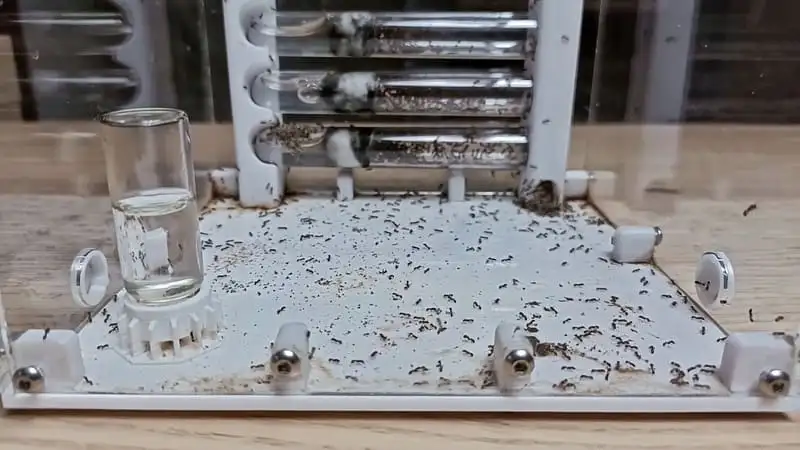
Foraging is what worker ants do when they leave the nest to look for food, water and building materials. The workers who do it are called foragers. They're often the older workers of the colony, while younger ants usually stay inside to care for the queen and the brood.
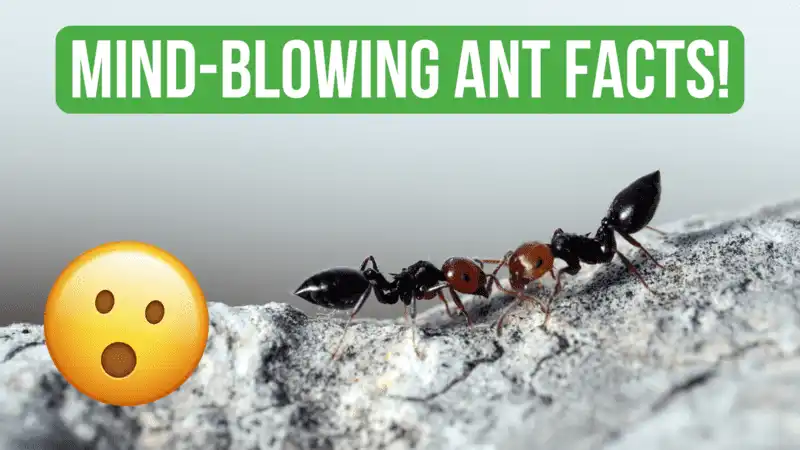
When a forager finds something good, she doesn't keep it to herself. Many species lay a chemical trail with pheromones on the way back, so nestmates can follow it to the food. Back home, the food is shared, partly through trophallaxis, the mouth-to-mouth transfer of liquid food. This way, the queen gets fed without ever risking her life outside.
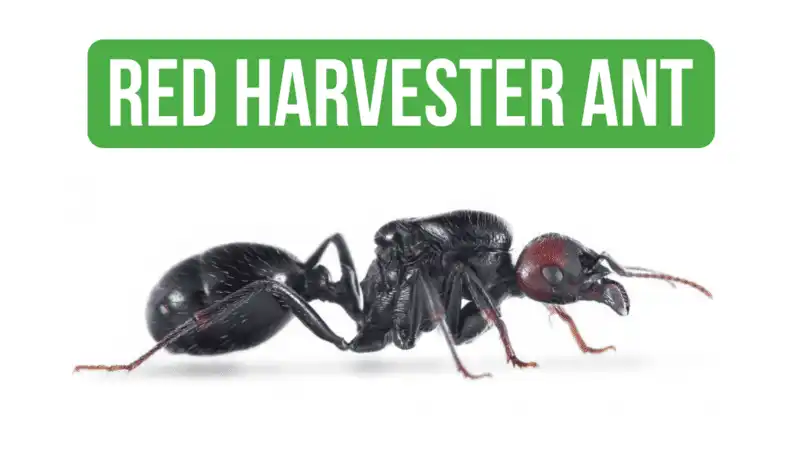
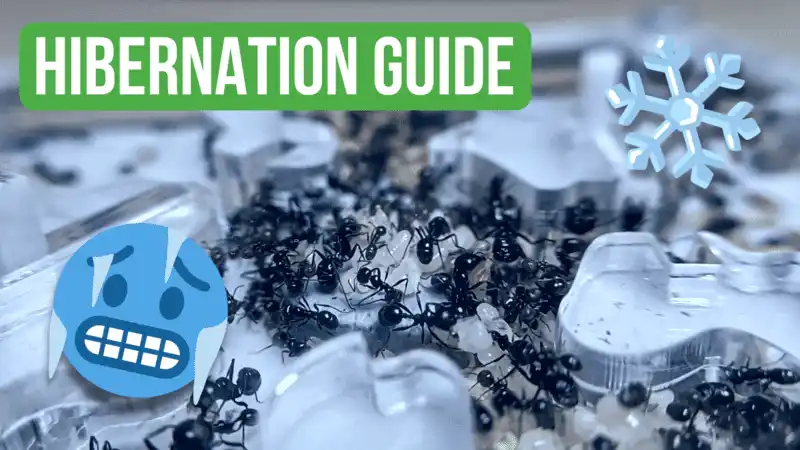
Every species forages its own way. Messor barbarus collects seeds and stores them in granaries, Lasius niger visits aphids for their honeydew, and leafcutters bring back leaves for their fungus garden. Activity also follows the seasons: in autumn, workers go out foraging much less often, even in a warm room.
In captivity, the outworld is your colony's foraging area, and watching the scouts discover a new meal is one of the best parts of the hobby.
In practice
- Place food in the outworld, not inside the nest, so the ants can forage naturally and the nest stays clean.
- Don't worry if only a few ants come out at first. Small colonies send just a handful of foragers.
- Use foraging activity as a health check: a sudden drop outside winter may mean something is wrong.