Founding Chamber
Definition
The small, sealed cavity a newly mated queen digs in soil, wood or under a stone, where she lays her first eggs and raises her first workers. Also called the claustral chamber.
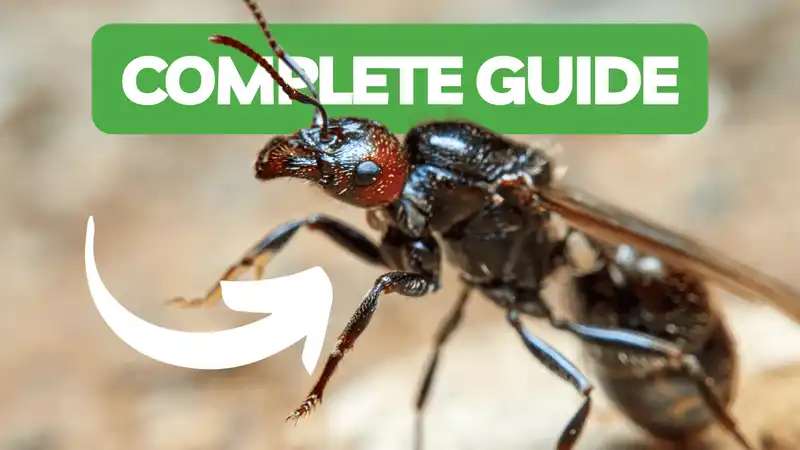
The founding chamber, also known as the claustral chamber, is the very first home of a new colony. After the nuptial flight, the queen looks for a small, quiet spot, usually in the soil, under a stone or in a piece of wood, digs a little cavity and seals the entrance behind her.
These chambers are really small. There's barely enough room for the queen and her first pile of brood! That's exactly what she wants: a tight, dark, stable space with good humidity, where predators can't reach her and she doesn't waste energy. Depending on the species, she may stay closed inside until her first workers open the way out.
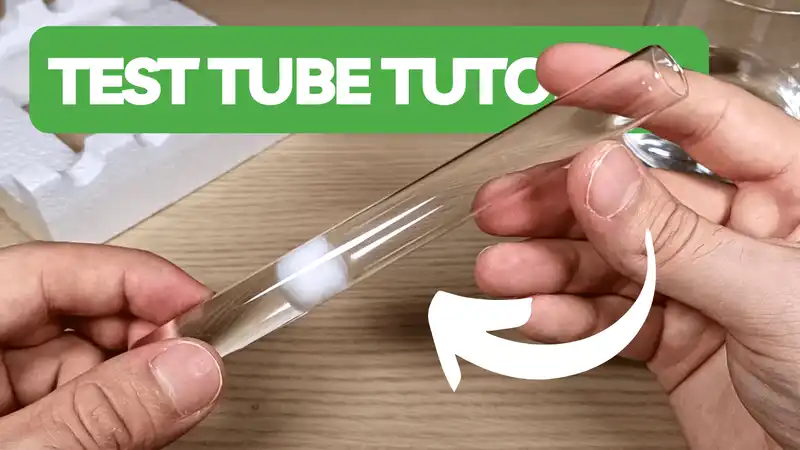
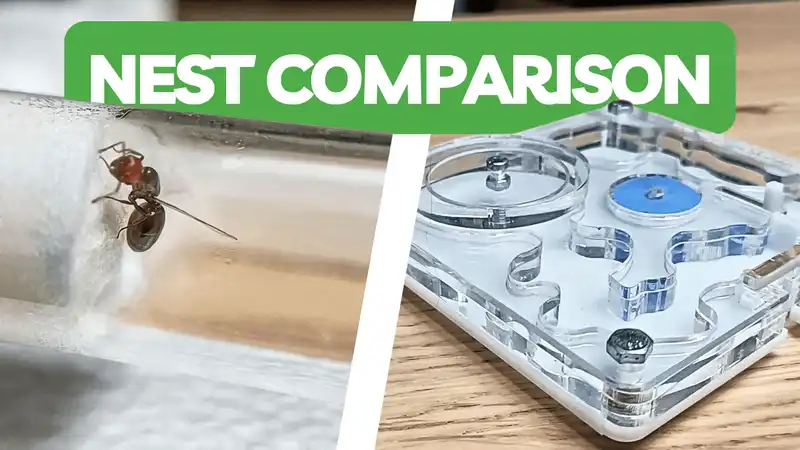
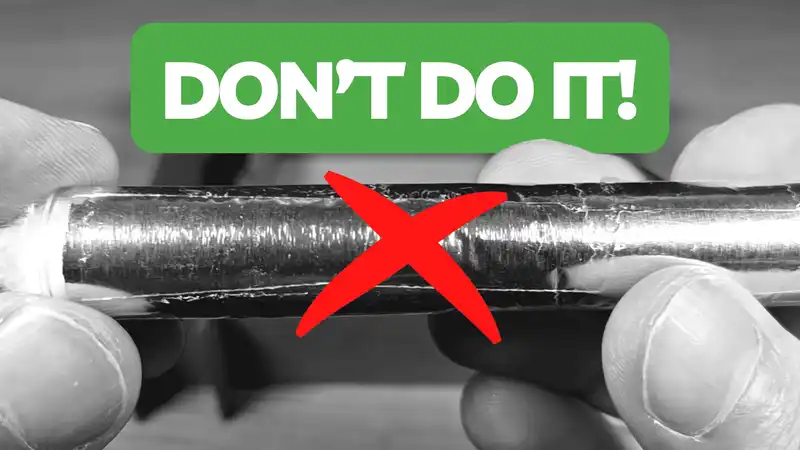
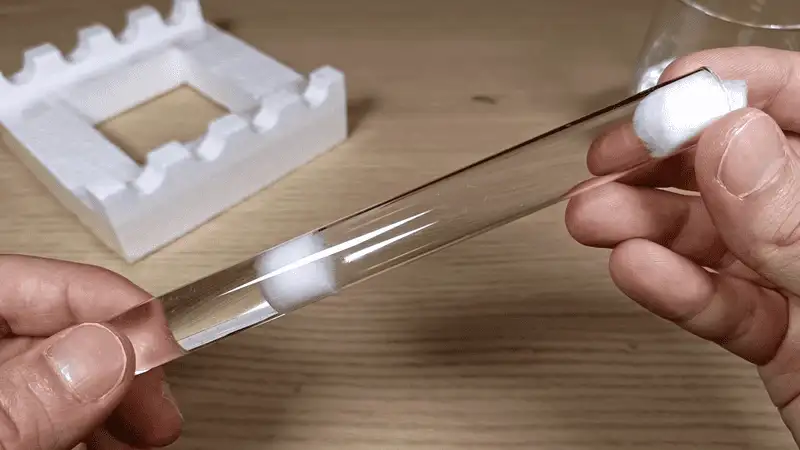
Ant keepers recreate this space with a test tube setup. The water and cotton keep the humidity stable, the tube offers just the right amount of space, and wrapping it in tinfoil gives the queen the darkness she'd have underground. A small founding nest can do the same job, especially for species with particular needs.
In practice
- Don't put a new queen straight into a big nest. Queens hate large spaces and feel much safer in a small chamber.
- Cover the test tube with tinfoil or dark paper to make it feel like a real underground chamber.
- Keep it in a quiet place at a stable temperature, away from vibrations and direct sunlight.
- Every time you open or uncover it, the queen may feel her chamber is compromised, so check as little as possible.