Claustral Founding
Definition
A way of starting a colony in which the newly mated queen seals herself in a small chamber and raises her first workers without leaving to forage, living on her own body reserves.
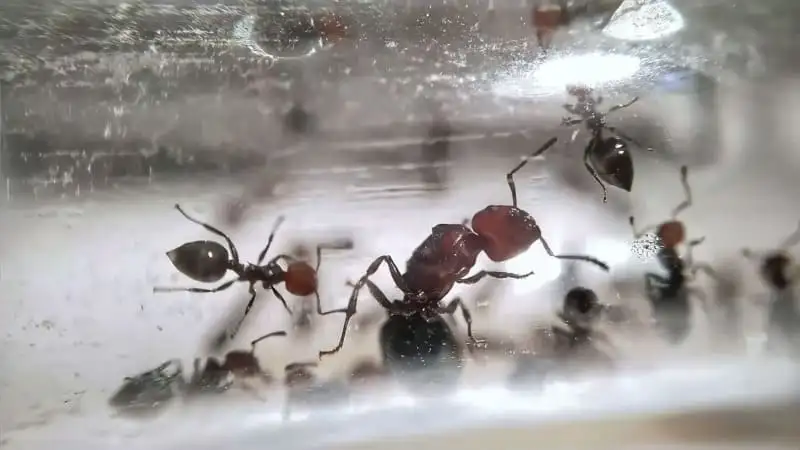
Claustral founding is the way most beginner-friendly species start a colony. After the nuptial flight, the queen digs a tiny chamber, closes herself inside and never comes out to look for food. Everything she needs to feed herself and her first brood is already stored in her body.
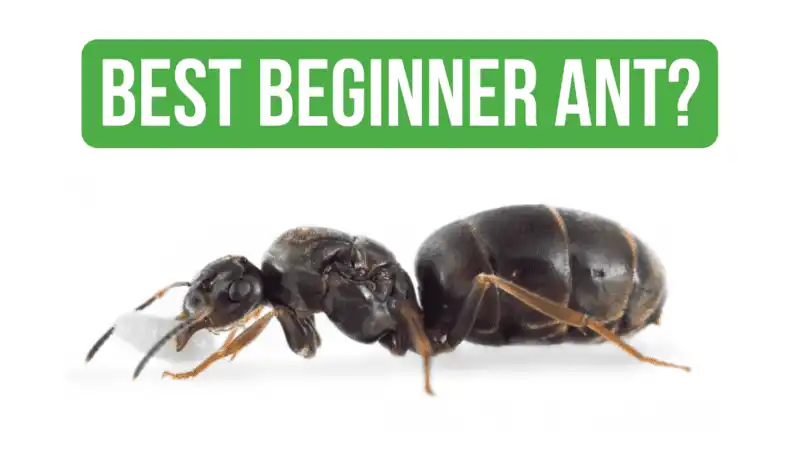
Where does all that energy come from? A fully claustral queen has big fat reserves and powerful wing muscles she no longer needs after mating. She breaks these down and turns them into eggs and into the food she gives her first larvae. That's why fully claustral queens usually have a large, voluminous gaster compared to the rest of their body.
Lasius niger, Messor barbarus, Pheidole pallidula, Crematogaster scutellaris, Formica cinerea and Tetramorium caespitum are all fully claustral. The queen won't need to eat for at least a month, until her first workers arrive and start foraging for the colony.
In practice
- Find out your queen's species first, then check whether it's fully claustral before deciding to feed her.
- A test tube setup wrapped in tinfoil or dark paper recreates the claustral chamber really well.
- Even with a claustral queen, I like to offer a tiny drop of honey. It's an energy boost for her and her first workers.
- Leave her alone. Checking on her too often stresses her and can stop her from laying her first eggs.