Social Parasitism
Definition
A relationship in which one ant species depends on the colony of another to survive, for example a parasitic queen that takes over a host colony and lets its workers raise her brood.
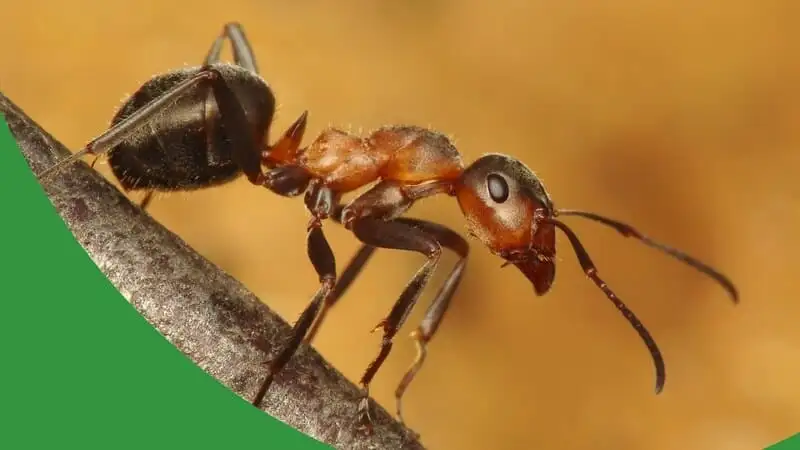
Some ants can't make it on their own. In social parasitism, one species relies on the workers of another species, the host, to raise its young. Instead of founding a colony alone, a parasitic queen sneaks into a host colony, gets accepted, and lets the host workers take care of her and her brood.
There are a few different strategies. Temporary parasites, like Lasius umbratus with Lasius niger as a host, only need help at the start: the host queen is eliminated, the host workers raise the parasite's first brood, and over time the colony becomes fully parasitic. Slavemaker ants, like Polyergus, go further: their workers raid nearby host colonies, steal their brood and raise it to work for them. Some parasites even live permanently inside host colonies.
To get accepted, many parasitic queens use chemical tricks, picking up or imitating the host colony's smell so the workers treat them as one of their own.
In practice
- Parasitic species are not for beginners. Success depends on the right host species, a careful introduction and a lot of patience.
- Ant keepers often use brood boosting, adding host brood or workers to help a parasitic colony grow.
- Think about the ethics first: keeping parasitic ants usually means sacrificing host colonies.
- Watch closely after an introduction and be ready to separate the ants if the host workers attack the queen.