Ytong Nest
Definition
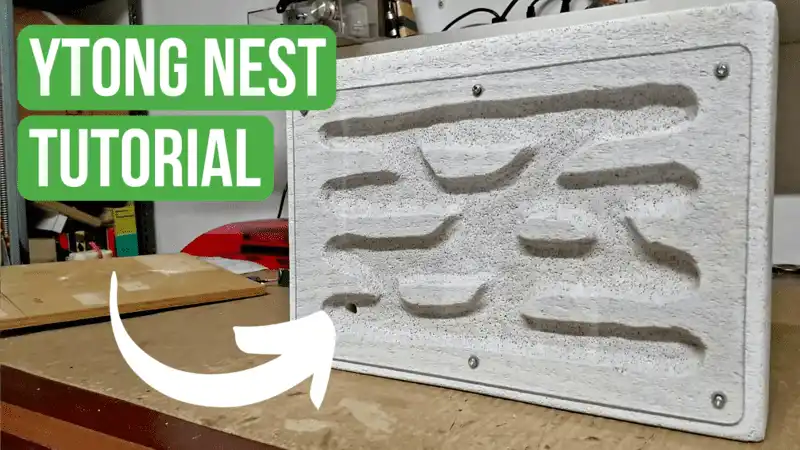
An ant nest carved into a block of Ytong, a light and porous aerated concrete that holds moisture well and is easy to sculpt, usually closed with a clear front panel.
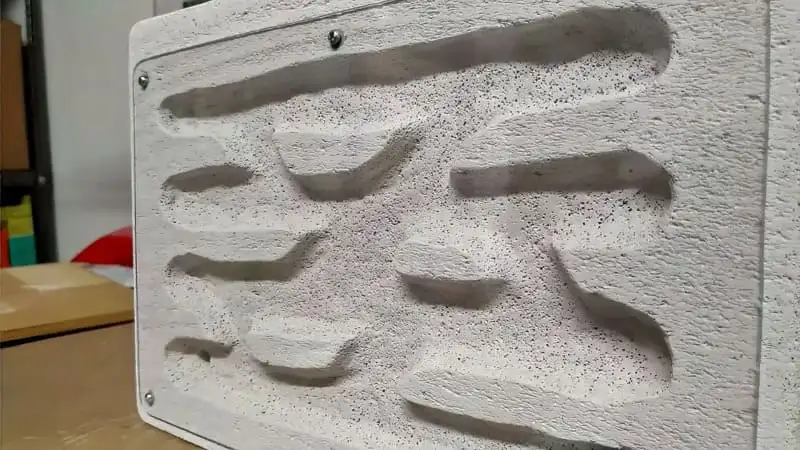
A Ytong nest is an ant nest made from Ytong, a type of aerated concrete used in construction. The material is full of tiny air bubbles, so it soaks up water and releases it slowly, keeping the chambers humid. It also lets air move through the nest, which helps reduce the chance of mold.
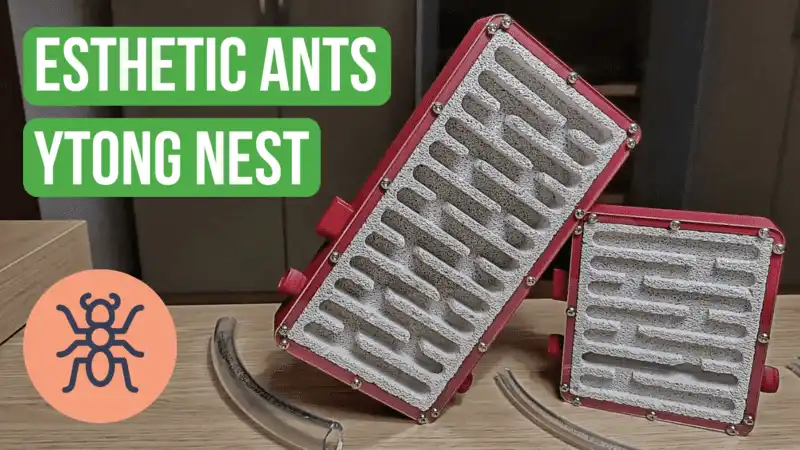
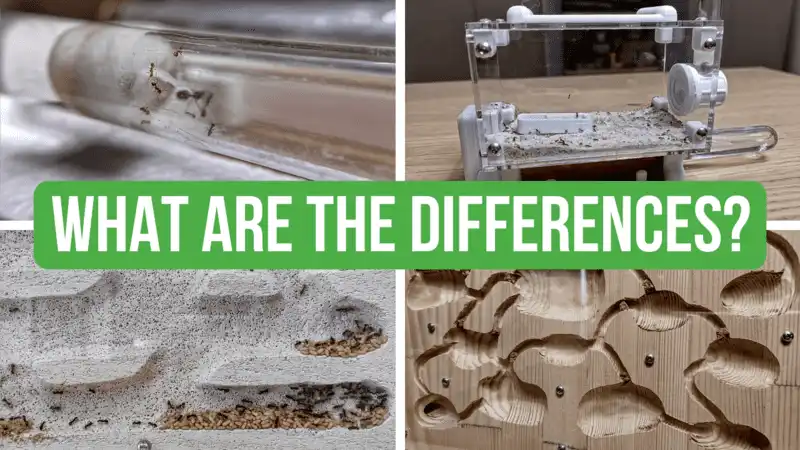
Ytong is cheap and so soft that you can carve the chambers with a screwdriver or a Dremel. That's why it's a favorite for DIY projects: cut the block, draw and engrave the chambers, add a hydration chamber, then screw a plexiglass panel on the front. Many shops also sell ready-made Ytong nests.
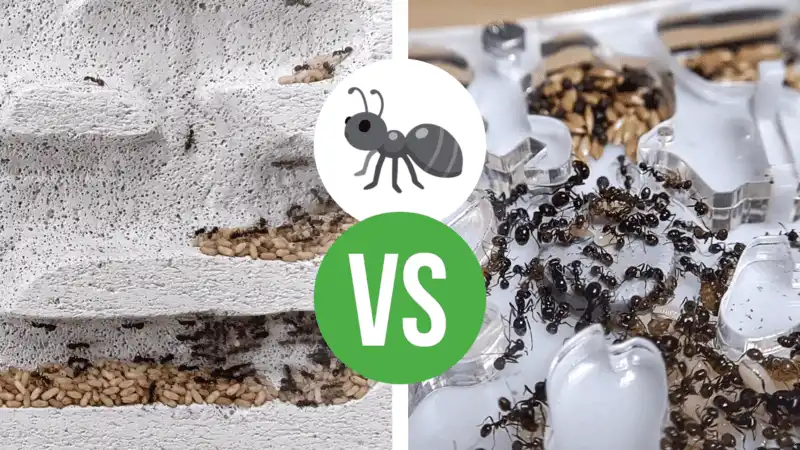
It's a great match for humidity-loving species like Lasius niger and Formica cinerea, and the white material makes dark ants stand out beautifully. The downsides are that Ytong is fragile and some ants can dig into it. Messor barbarus majors, for example, can chew real tunnels through the block with their big mandibles.
In practice
- Wear a mask while carving, because Ytong makes a lot of fine dust.
- Fix the front panel with dowels and screws instead of silicone, so you can open the nest for cleaning.
- Add water through the hydration chamber, not directly into the brood chambers.
- For strong diggers like Messor, place the Ytong block inside a plastic or glass enclosure so a tunnel can't turn into an escape.