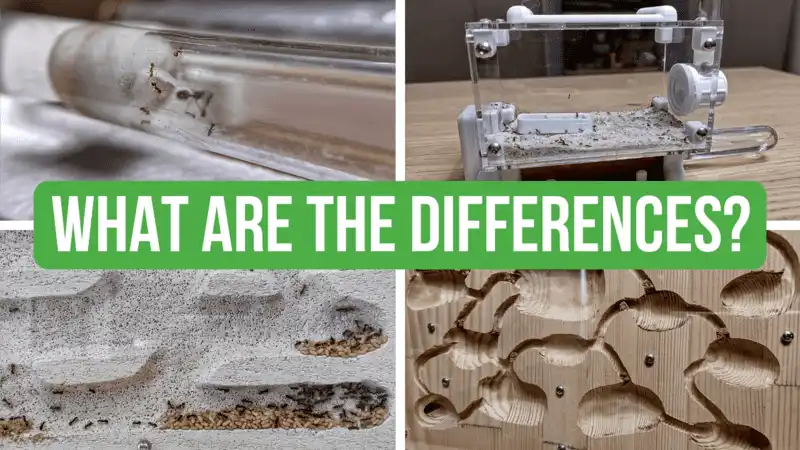
How to Make a Wooden Nest - Ant Keeping Tutorial
 Bruma 6 min read

In short
A wooden nest suits ants that naturally nest in wood, like Crematogaster scutellaris. Draw large chambers and tight passages on a wooden panel, engrave them with a Dremel, sand everything, drill the entrance hole, screw on a plexiglass front panel and attach a wooden base to keep it upright.
Hi guys! I hope you’re doing well!
Today we’re going to learn how to make a wooden nest for your ant colony! By the end of the tutorial, you will have all the information you need to build one yourself!
Let’s get into it!
Why a Wooden Nest?
Around the world, there are more than 12,000 species of ants! That’s an outstanding number of species!
Some have giant heads, which they use to break seeds and eat the tasty part inside! Others have the ability to spray a particular type of acid to defend themselves, and some are actual farmers, creating tiny farms of aphids, which they milk to obtain their extremely sweet honeydew!
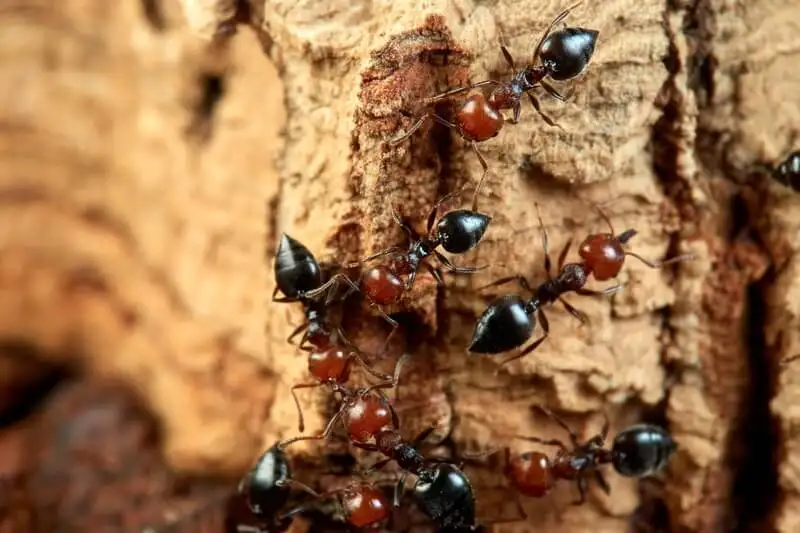 Photo: MACRONATURA/stock.adobe.com
Some of these species really love nesting in wood! They usually excavate their nests in dead trees, in logs, or in many man-made wooden structures! A very popular species that likes to nest in wooden nests is Crematogaster scutellaris, the very cool ant with the heart-shaped abdomen in the picture above!
By providing the ants with the nesting medium they prefer the most, you can be sure that the colony will grow big and healthy!
Let’s build our own wooden ant nest!
What You Need
For this project, we’re going to need a wooden panel, a piece of transparent acrylic, some screws, and some basic tools.
The Wooden Panel
As you can probably imagine, the most important thing we need to make a wooden ant nest is a piece of wood. This wooden panel will become the main part of the nest, where the ants will travel through the little passages.
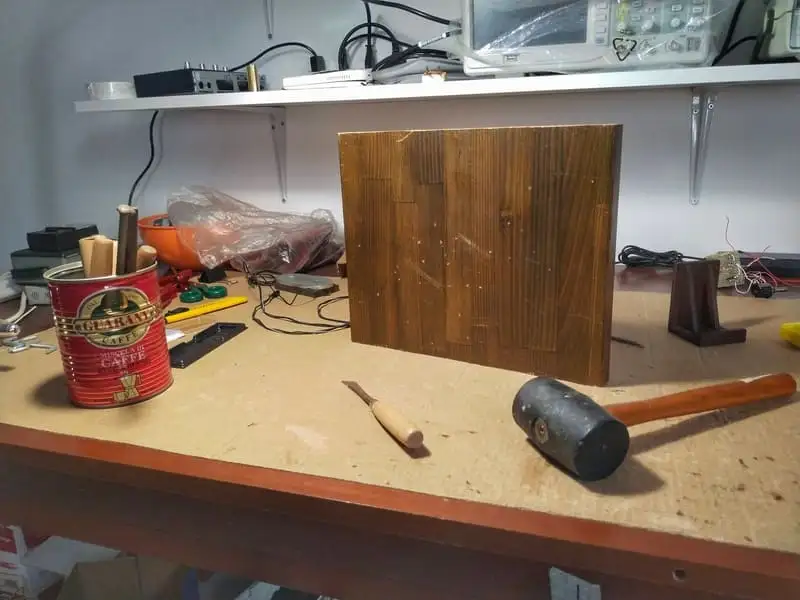
You can find this type of wooden panel in almost every hardware store. For this project, I will be using this piece of wood, taken from an old shelf I had lying around in the basement.
The first thing we have to do is to decide the dimensions of the nest. This is completely up to you.
If you already have a large colony that you are planning to put in there, you should probably opt for a relatively large-sized nest. On the other hand, if you’re just starting out, you can choose a smaller size for this nest.
In my case, I’ve opted for a size of 25 cm x 30 cm.
Drawing the Chambers
Now to the fun part! Once we have the piece with the right dimensions, we can start drawing the shape of the chambers. In this step, you can unleash all your creativity, creating the chambers of the nest as you like them best.
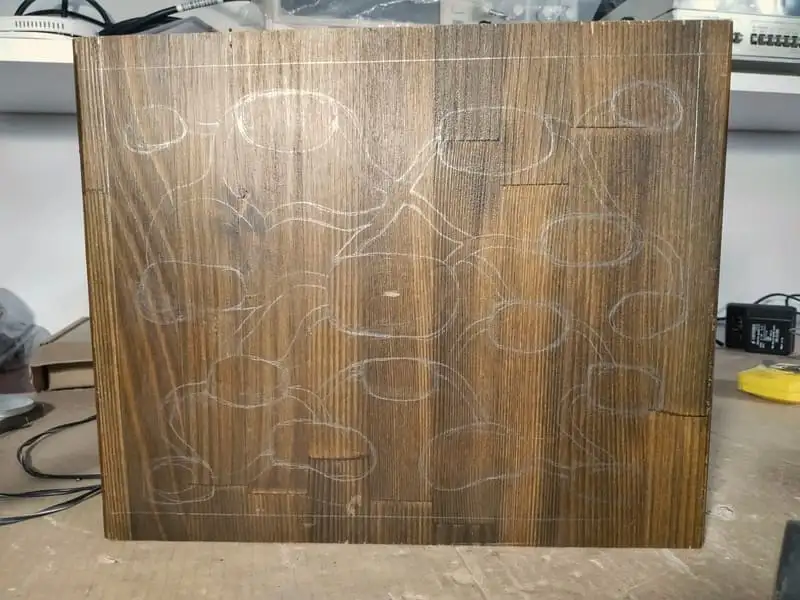
Make sure to use a pencil that leaves a strong mark on the wood, because in the next step, we’re going to need an easy-to-follow reference.
When drawing the shape of the nest, I suggest using a mix of large chambers and tight passages in order to better replicate the natural shapes of these types of nests.
Engraving the Wooden Panel
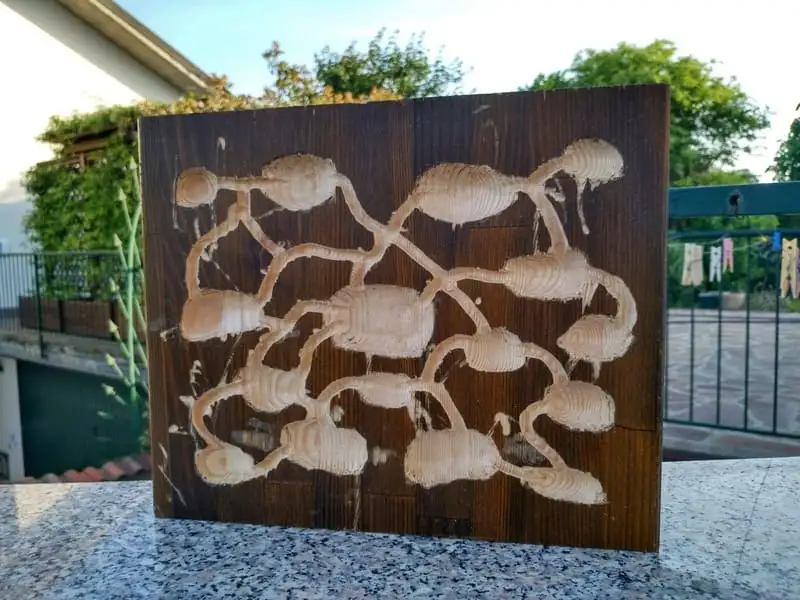
In this step, we’re going to remove the excess material from the wooden panel, creating the various chambers and passages of the nest.
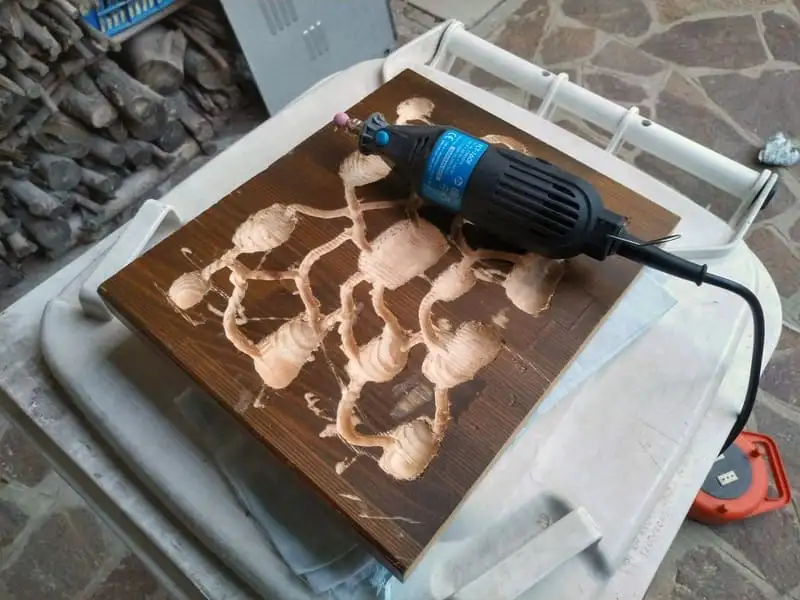
For this task, you can simply use a Dremel, with the help of a special drill bit made specifically for engraving wood. If the wood you are using for the nest is somewhat hard, this process could take some time.
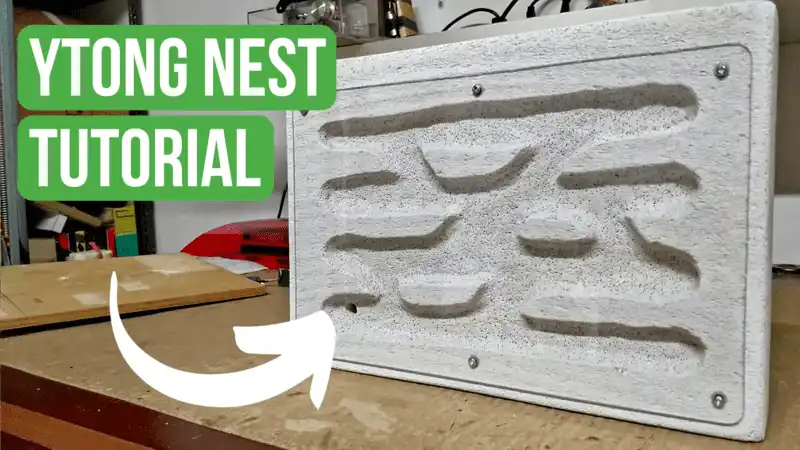
By the way... If you, like me, really enjoy these kinds of DIY projects, I'm pretty sure you're going to love my other guide on how to make a Ytong nest too! In this one, I explain in detail how to make another very popular type of ant nest!
Sanding the Nest
After the engraving process is completed, we can start cleaning the nest with some sandpaper. With this type of sanding, we’re going to remove all the little imperfections caused by the engraving and the cutting phase.
In my case, the wooden panel has a thick layer of paint on it. For this reason, I’ve decided to clean all the surfaces of the nest, completely removing the paint layer and uncovering the natural color of the wooden panel.
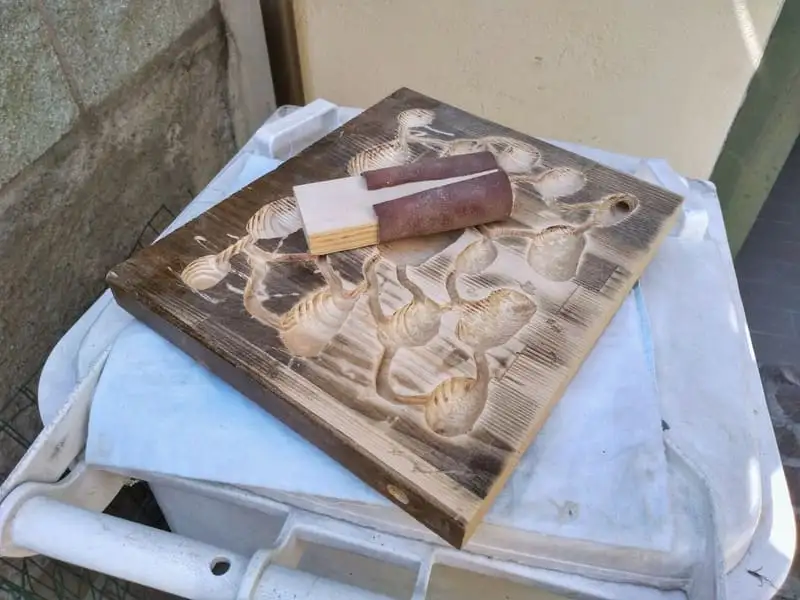
If you want, you can also sand the inside part of the chambers and the passages to create a smoother and more rounded surface.
The Acrylic Front Panel
Now we have to make the acrylic front panel. This transparent panel will enable us to easily see the ants inside the nest, without the risk of having any escapees.
After we’ve taken the necessary measurements, we can start cutting the piece. For this panel, I am using plexiglass, a very easy-to-find type of transparent plastic.
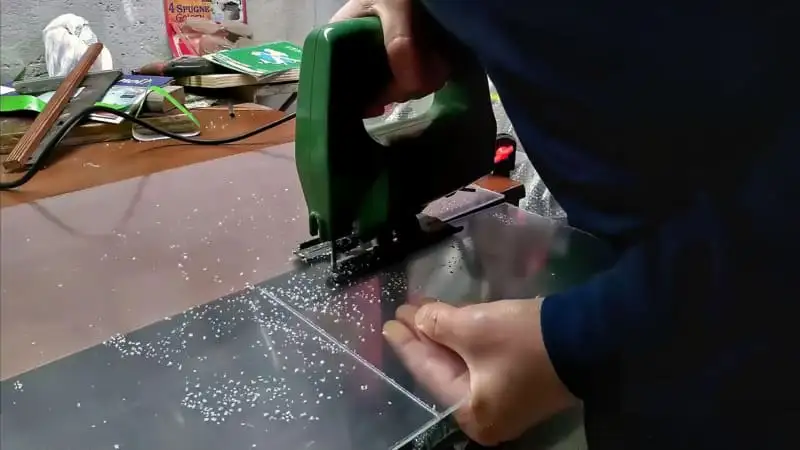
For cutting the plexiglass, you can use a normal saw for metals or a jigsaw. You can choose whichever one you prefer.
Here’s the panel.
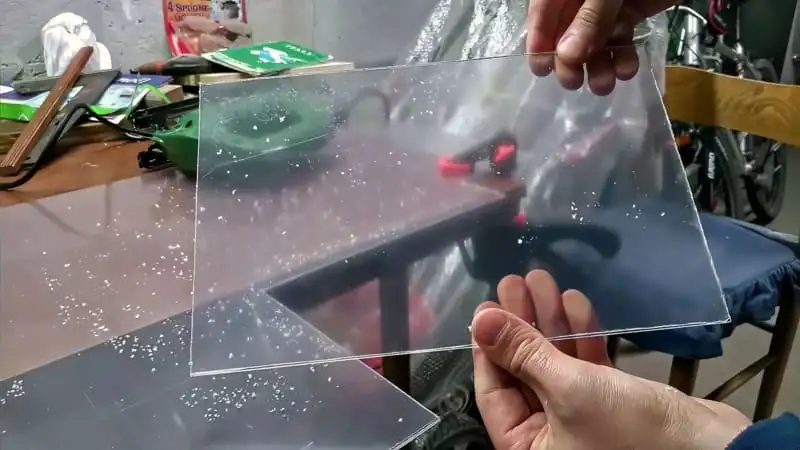
Just like the wooden panel, we can remove the little imperfections by using some sandpaper.
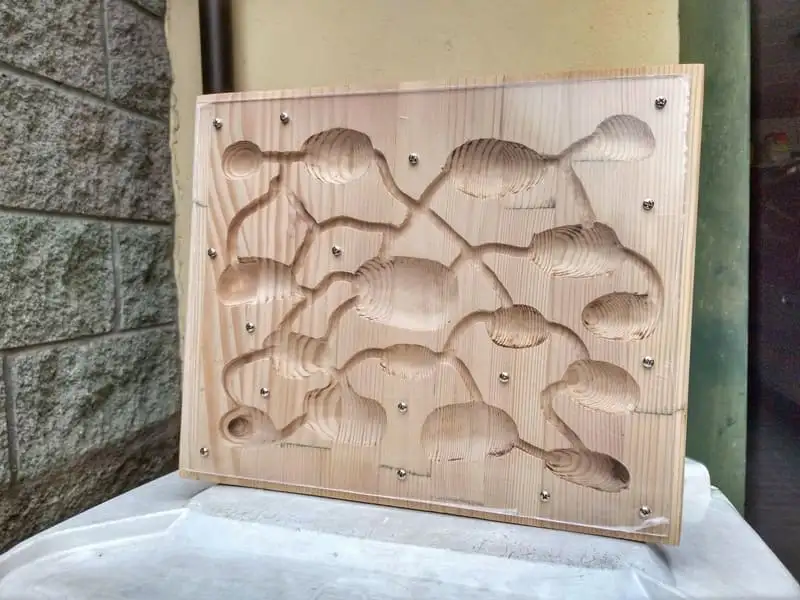
To attach the plexiglass panel to the nest, we can use some screws made for wood. By using the screws as the fixing mechanism, we will be able to easily remove the panel for cleaning the nest.
Drilling the Holes
Now we have to drill the holes in the plexiglass panel and in the nest. You can easily do this by using a normal drill with a bit made for wood.
Keep in mind that the holes in the plexiglass panel should be slightly larger than the ones in the nest. That’s because the screws that are going to keep together the two parts have to grip only on the wooden panel.
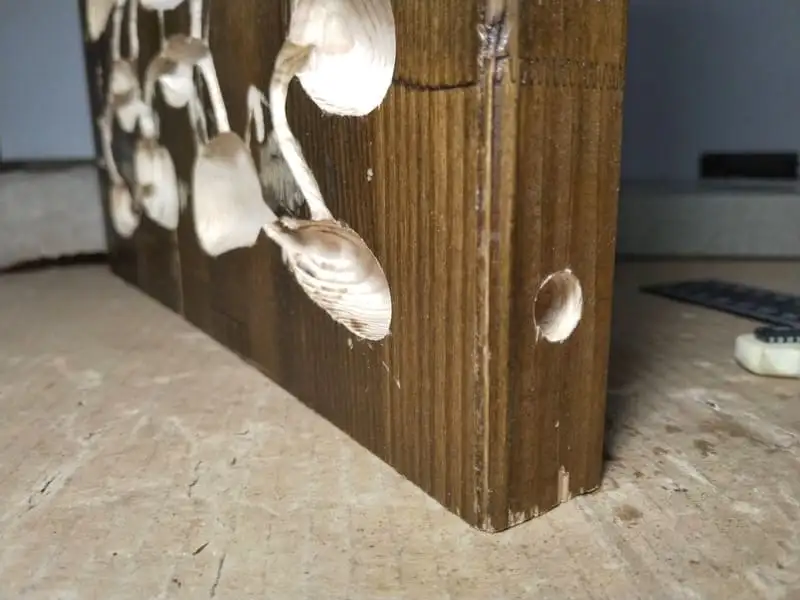
If you haven't done it yet, during this phase you can also drill the entrance hole, through which the ants will travel in and out of the nest.
Making the Base
Now we can start making the base of the nest, the part that will allow the wooden panel to remain in a vertical position. As usual, the first thing we have to do is to take all the necessary measurements.
Once we have the marks on the wood, we can start cutting. As you can see, I’m using a circular saw to cut the pieces. Alternatively, if you don’t have one of these, you can simply use a jigsaw.
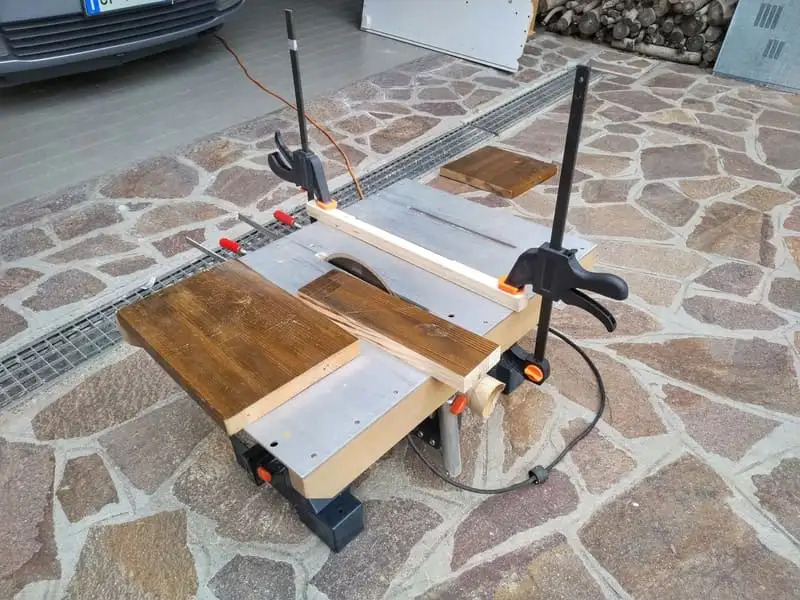
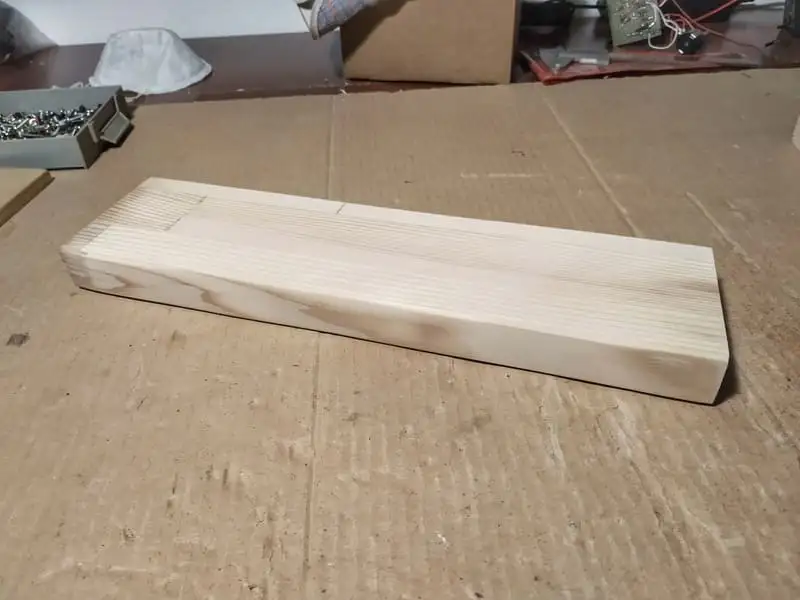
When we have the piece, we can then clean it with some sandpaper, just like before.
Here’s the result!
Now it’s finally time to join together the two parts: the base and the nest. To do so, make two holes in the base and two holes in the nest. When the holes are ready, attach the nest to the base using two screws for wood.
The End Result!
Congratulations! You’ve just made a wooden ant nest all by yourself!
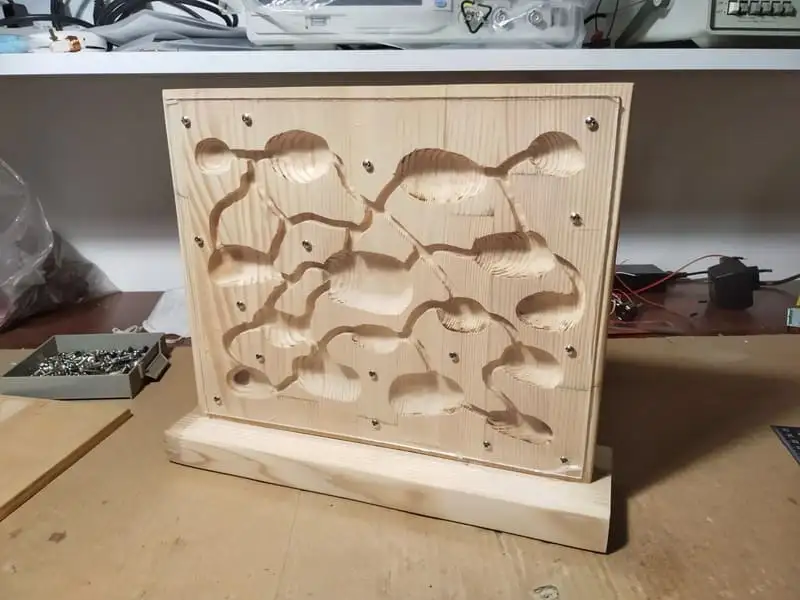
Now our little nest is finally ready to house an ant colony! I'm pretty sure they will love their new fantastic wooden home!
If you are a beginner and have no idea how to get your hands on an ant colony, I suggest you check out my guide on how to catch your first queen ant! In this one, you will learn everything you need to know to find the mother of all members of the colony!
I hope you have found this guide helpful!
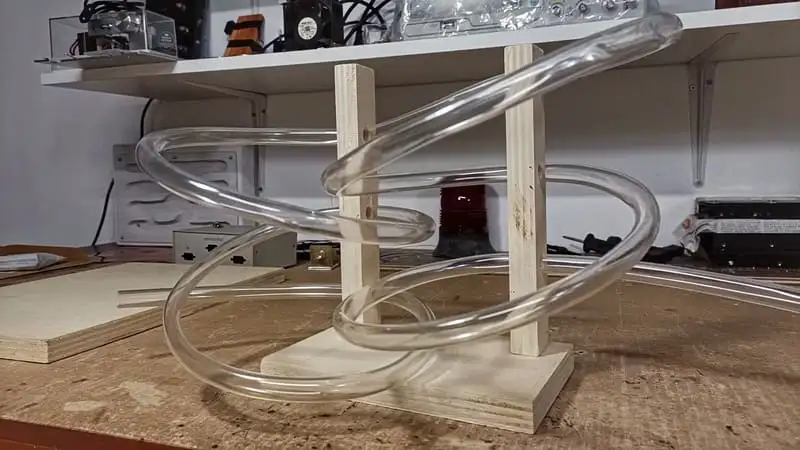
If you liked this tutorial and love making DIY projects, I would strongly suggest you check out my tutorial on how to make a tube spiral! In this one, you will learn how to build a very cool one for connecting your ant nest to an outworld!
FAQs
5A wooden nest suits ant species that love nesting in wood, such as Crematogaster scutellaris. These species usually excavate their nests in dead trees, logs or man-made wooden structures. By giving ants the nesting medium they prefer most, you can be sure the colony will grow big and healthy.
To build a wooden ant nest, you need a wooden panel, a piece of transparent acrylic, some screws and some basic tools. I used a Dremel with an engraving bit, a normal drill with a bit made for wood, sandpaper, and a saw for the plexiglass.
The size of a wooden nest is completely up to you. If you already have a large colony to put in there, I suggest a relatively large nest, while if you're just starting out, you can choose a smaller one. In my case, I opted for 25 cm x 30 cm.
I recommend a Dremel with a special drill bit made specifically for engraving wood. You use it to remove the excess material and carve the chambers and passages you drew on the panel. If the wood is somewhat hard, this step could take some time.
A transparent front panel attached with screws lets you watch the ants without any risk of escapees. I used plexiglass for mine. Screws also let you remove the panel for cleaning, and the holes in the plexiglass should be slightly larger so the screws grip only on the wood.

Author
Bruma