 Ant species
United States
6 species with a care sheet are recorded here: the best ones to start with, when their queens fly and what to check before you keep them.
- Species
- 6
- Beginner-friendly
- 4
- Genera
- 4
Best species to start with
The most forgiving species recorded here, easiest first.
 Beginner
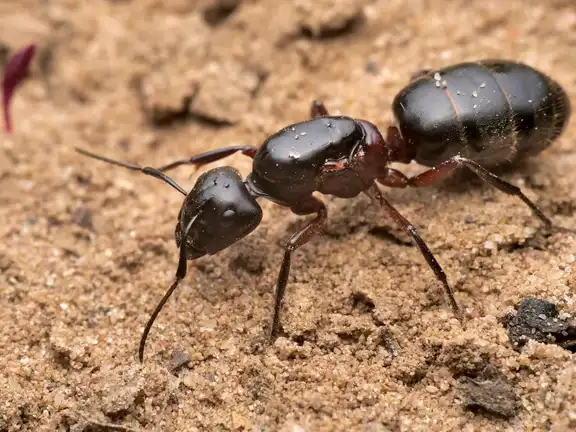
Camponotus herculeanus
Hercules ant
A cold-hardy black giant of northern conifer forests that carves its nest into old stumps and standing trees.
- Nest
- 18–25 °C
- Size
- 6–13 mm
- Winter
- 5–8 °C
View sheet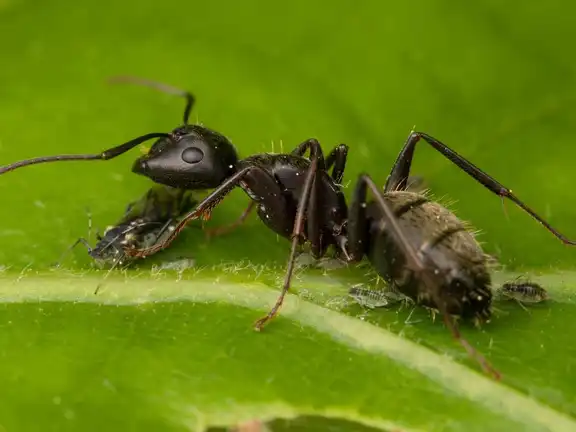 Beginner
Camponotus pennsylvanicus
Eastern black carpenter ant
The big black carpenter ant of eastern North America, a slow-growing night forager that nests in trees and damp wood.
- Nest
- 22–27 °C
- Size
- 6–13 mm
- Winter
- 5–10 °C
View sheet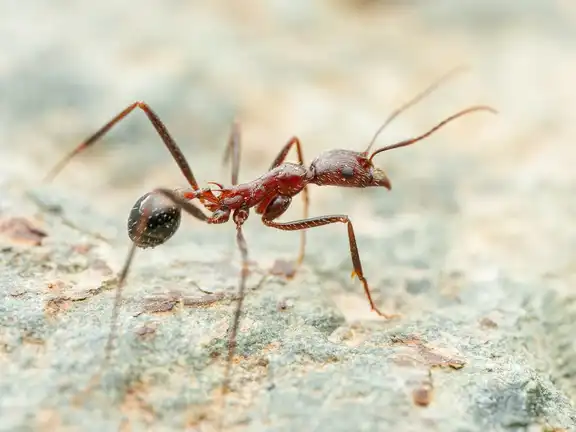 Beginner
Novomessor cockerelli
Desert harvester ant
A leggy desert scavenger whose workers team up to haul prey far too big for a single ant.
- Nest
- 27–32 °C
- Size
- 7–10 mm
- Winter
- None
View sheet
Every species recorded here · 6
 Camponotus herculeanusHercules antBeginner
 Camponotus pennsylvanicusEastern black carpenter antBeginner
 Novomessor cockerelliDesert harvester antBeginner
 Pogonomyrmex barbatusRed harvester antBeginner
 Pogonomyrmex rugosusRough harvester antIntermediate
 Myrmecocystus mexicanusMexican honeypot antIntermediate
Popular comparisons
Countries with similar ants
 Mexico
 Japan
 Åland Islands
 Latvia
 Andorra
 Estonia
The countries come from GBIF records checked by hand. A species missing from this page may still live here: only species with a care sheet are listed. Rules differ between countries and can change. Collect queens only where it is allowed, and never release a colony into the wild.