Camponotus herculeanus
(Linnaeus, 1758)
Hercules ant
A cold-hardy black giant of northern conifer forests that carves its nest into old stumps and standing trees.
Compiled from published sources and keeper reports: I haven't kept this species myself, so treat the care values as starting points.
At a glance
- Nest temperature
- 18–25 °CIn the nest
- Nest humidity
- ≈ 50–60 %In the nest
- Hibernation
- ≈ 5–8 °COct – Mar
- Nuptial flights
- May – JunEvening flights
- Workers
- ≈ 6–11 mmmajors up to 13 mm
- Queen
- ≈ 14–17 mmOne queen
- Colony size
- ≈ Reaches 5,000 workersGrowth: Moderate
- Escape risk
- MediumKeep an escape barrier on the outworld
Year at a glance
Hibernation : Oct – Mar
Active season : Apr – Sep
Nuptial flights : May – Jun
- Evening flights
- Hot days
- Humid air
Months for temperate Europe and the Mediterranean. The weather decides the exact days, so flights can come earlier or later where you live.
How to recognize it
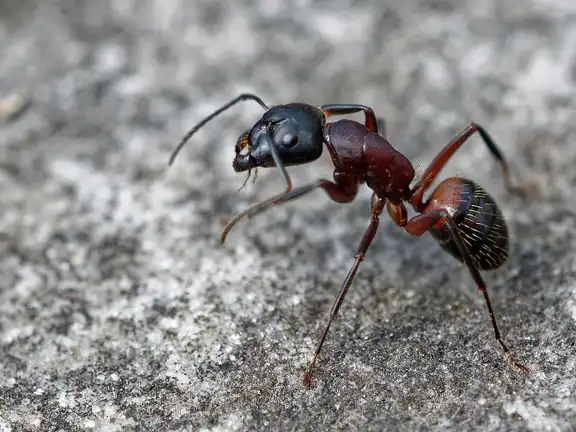
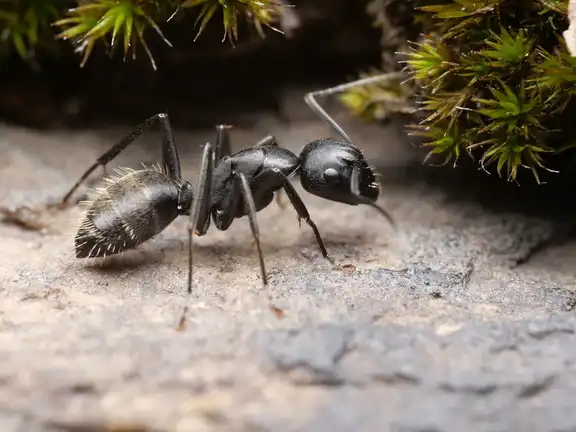
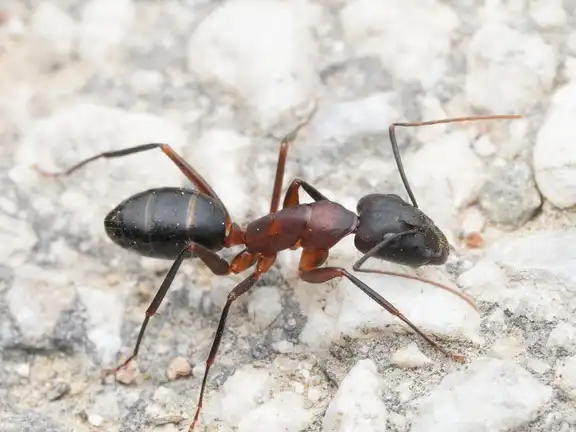
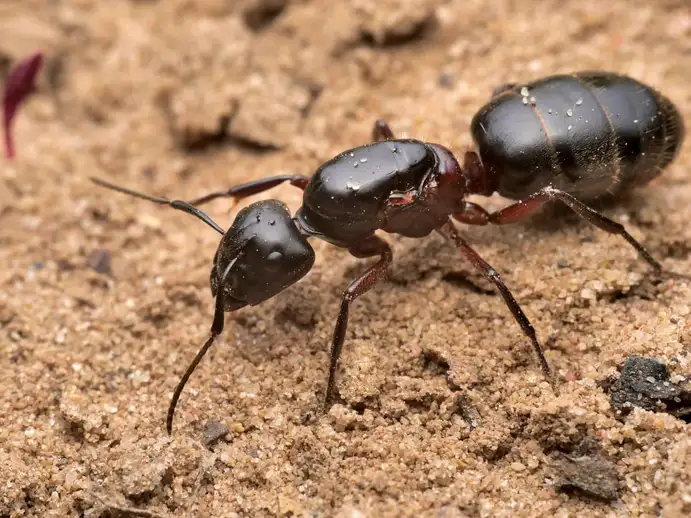
Large workers with a black head and gaster and a dull dark red to reddish-black thorax and legs. Compared with Camponotus ligniperda they look stockier and duller, with little or no red on the gaster, and they favor colder, higher and shadier woods, but the two are hard to tell apart by eye with certainty.
Often confused with
- Workers6–11 mm
- Majors≤ 13 mm
- Queen14–17 mm
mm
Biology
- Queens
- One queenEach colony has a single queen: never put two queens together once the first workers arrive.In the glossary
- Colony founding
- Fully claustralThe queen raises her first workers without eating, living off her wing muscles and fat reserves.In the glossary
- Workers
- Many sizesThe workers come in a continuous range of sizes, from small minors to large majors.In the glossary
- Defense
- Bites · Sprays formic acidNo sting: the workers bite and spray formic acid, which can sting small cuts.
Native range
- Europe
- Asia
- North America
Austria, Canada, Czechia, Estonia, Finland, France, Germany, Italy, Norway, Poland, Russia, Sweden, Switzerland, United States
Taxonomy
Formicinae › Camponotini
Camponotus
Care at a glance
Difficulty
Why this rating
- Makes it easier: Fully claustral: the queen needs no food until her first workers arrive
- Makes it harder: Curious workers: keep an escape barrier on the outworld
- Makes it harder: Needs a cold hibernation, for example in a fridge
Food
- Sugar
- Insects
Sugar or honey water for the workers, and insects as protein for the queen and the brood.
Best nests
- 1Ytong nest
- 2Wooden nest
- 3Naturalistic setup
Notes from keepers
Tip
Keep the nest on the cool side and add only a small warm spot, such as a heat cable under one end. The colony moves its brood to the warmth by itself, and constant heat is not needed for this northern species.
Watch out
Wooden nests dry out easily. One keeper lost a whole season when colonies in dry wooden nests stagnated and ate their brood, so give every wooden nest a damp chamber or a water supply.
Tip
Wrap the test tube and avoid casting shadows over it, because some founding queens react sharply to changes in light and to vibrations. Do not panic if the queen briefly walks out to drink sugar water, as keepers have seen founding queens do this and still raise their first workers.
Watch out
Plan for those jaws. Workers can slowly bore into soft nest walls, and one keeper's queen chewed through a cotton ball and half a foam plug, so use firm stoppers and sturdy nest material.
Related posts

How To Hibernate Your Ants - Hibernation Tutorial
In this guide, we’re going to talk about hibernation: What is it? Why do ants need hibernation? Should I hibernate my ants? Let's see!
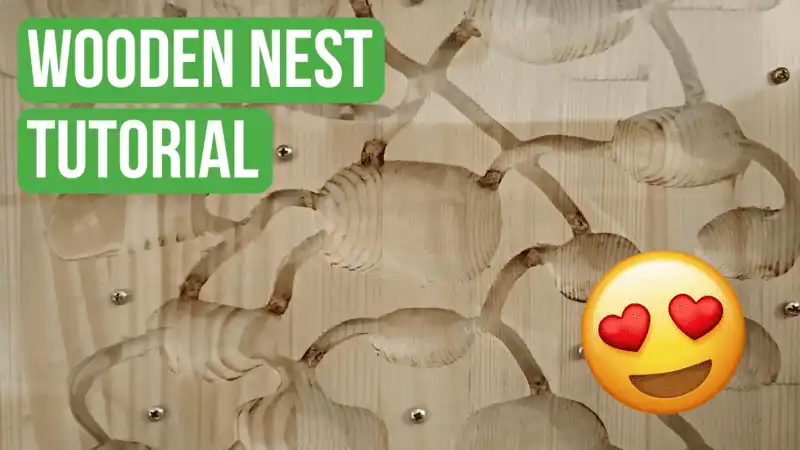
How to Make a Wooden Nest - Ant Keeping Tutorial
In this tutorial, you will learn how to make a wooden nest for your ant colonies! This type of nest is perfect for species that love wood!
What To Do After Catching Your First Queen Ant!
In this short guide, you’re going to learn what steps you need to take after catching your very first queen ant! Let's get into it!
FAQs
10Yes. Genetic work has confirmed it as one of only three ant species with a truly Holarctic range, together with Formica gagatoides and Leptothorax acervorum. It lives in the mountains of Europe and across northern Eurasia from Norway to eastern Siberia, and in Canada and the United States. In Europe it is typically a species of cool, shaded conifer forest.
No, wood is only building material. The workers chew galleries and chambers into rotting stumps and logs and into the heartwood of standing trees, mostly conifers, and they live on honeydew from aphids, plant sap and small insects. In a formicarium they need sugar and insects, never wood.
The winged queens and males are produced in late summer, but the nuptial flight only happens the next spring or early summer, so they wait in the nest through the cold months. Winged ants in a colony that is resting for the winter are therefore normal, and the lid should stay closed once they appear.
Camponotus herculeanus workers measure 6–11 mm, with majors up to 13 mm, and the queen measures 14–17 mm.
Just one. Camponotus herculeanus is monogyne: each colony has a single queen, so never put two queens together once the first workers arrive.
No. Camponotus herculeanus has no sting: the workers bite and spray formic acid, which can sting small cuts.
In temperate Europe and the Mediterranean, Camponotus herculeanus usually flies in May – Jun. The weather decides the exact days.
Keep the Camponotus herculeanus nest at 18–25 °C, with 50–60 % humidity in the brood chambers.
Yes. Hibernate Camponotus herculeanus at 5–8 °C, roughly during Oct – Mar.
Camponotus herculeanus is not on the EU list of invasive alien species and is not protected in the countries we checked. Rules differ between countries and can change, so check your local laws first.
Sources and review
- 1
- 2AntCat: Camponotus herculeanus (Linnaeus, 1758), valid species
Reference · Taxonomy
- 3
- 4
- 5Seifert (2019), Insectes Sociaux 66: Hybridization in the European carpenter ants Camponotus herculeanus and C. ligniperda
Paper · Taxonomy, Biology, Nuptial flights
Showing 5 of 35 sources
Last reviewed
- BiologyWell documented
- Care valuesKeeper consensus
- Nuptial flightsWell documented
Legal status
Not on the EU list of invasive alien species and not protected in the countries we checked. Rules differ between countries and can change, so check your local laws before buying or collecting a queen.
Checked on October 11, 2026
All values are starting points: watch your colony and adjust. Found something wrong or missing?
Suggest a correction