Myrmecocystus mexicanus
Wesmael, 1838
Mexican honeypot ant
A nocturnal desert ant whose swollen workers hang from the ceiling like golden jars to store the colony's sugar.
Compiled from published sources and keeper reports: I haven't kept this species myself, so treat the care values as starting points.
At a glance
- Nest temperature
- ≈ 26–30 °CIn the nest
- Nest humidity
- ≈ 40–60 %In the nest
- Hibernation
- Not needed
- Nuptial flights
- ≈ Jul – SepEvening flights
- Workers
- ≈ 4–8 mmmajors up to 9 mm
- Queen
- ≈ 12–15 mmOne queen
- Colony size
- ≈ Reaches 5,000 workersGrowth: Fast
- Escape risk
- MediumKeep an escape barrier on the outworld
Year at a glance
Active season : All year
Nuptial flights : Jul – Sep
- Evening flights
- After rain
Months in the native range of the species. The weather decides the exact days, and colonies kept indoors can follow a different rhythm.
How to recognize it
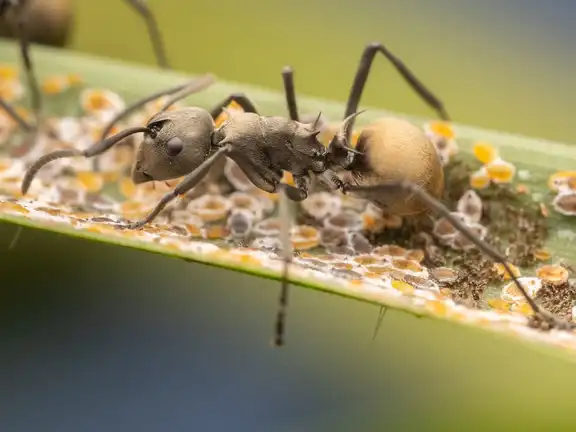
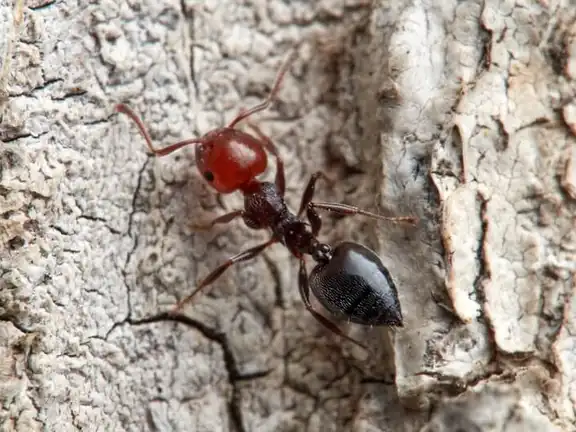
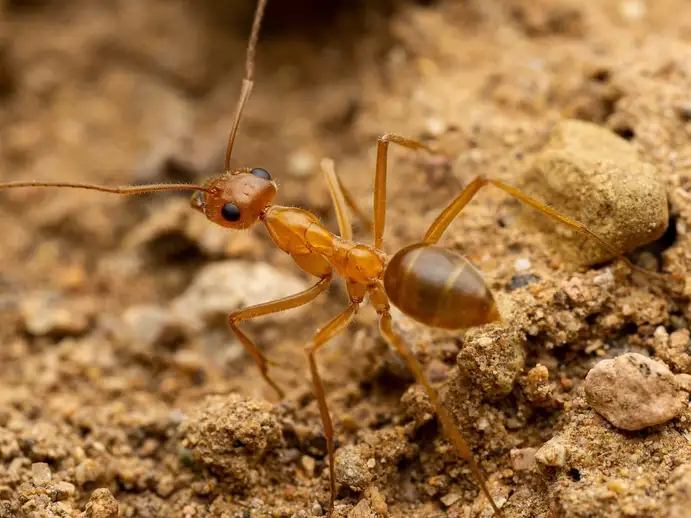
Pale yellow to light tan, long-legged workers with large eyes and a slightly darker head, in many sizes and mostly active at night, each foraging alone. The amber repletes hanging in the nest mark the genus, but telling this species from look-alikes such as Myrmecocystus testaceus needs a microscope, and the queens in the hobby are caught after wild flights, so the name rests on the collector's identification.
Often confused with
- Myrmecocystus testaceus
- Myrmecocystus navajo
- Workers4–8 mm
- Majors≤ 9 mm
- Queen12–15 mm
mm
Biology
- Queens
- One queenEach colony has a single queen: never put two queens together once the first workers arrive.In the glossary
- Colony founding
- Fully claustralThe queen raises her first workers without eating, living off her wing muscles and fat reserves.In the glossary
- Workers
- Many sizesThe workers come in a continuous range of sizes, from small minors to large majors.In the glossary
- Defense
- Bites · Sprays formic acidNo sting: the workers bite and spray formic acid, which can sting small cuts.
Native range
- North America
Mexico, United States
Taxonomy
Formicinae › Lasiini
Myrmecocystus
Care at a glance
Difficulty
Why this rating
- Makes it easier: Fully claustral: the queen needs no food until her first workers arrive
- Makes it easier: No hibernation to manage
- Makes it harder: Curious workers: keep an escape barrier on the outworld
- Makes it harder: Needs constant warmth all year round
Food
- Sugar
- Insects
Sugar or honey water for the workers, and insects as protein for the queen and the brood.
Best nests
- 1Ytong nest
- 2Naturalistic setup
- 3Acrylic nest
Notes from keepers
Watch out
Give the repletes a rough, solid ceiling to hang from, such as plaster, Ytong or a coated surface, because smooth glass and plastic are a poor grip and a replete that falls may not get back up. Keep the nest in a quiet spot, since vibrations and bright light unsettle the colony.
Watch out
Repletes cannot walk, so the colony will not simply move into a bigger nest on its own: expect to move the ants by hand, repletes included, and do it as rarely as possible, because repletes left behind are easily lost.
Tip
Heat only part of the nest so the ants can choose their spot, and test any new heater carefully: in one journal a queen was baked by a lamp. Then keep temperature, moisture and food steady, because an experienced keeper warns that a colony can collapse as fast as it grows.
Tip
Offer sugar early and often, and rotate the sources (honey water, ant nectar, maple syrup): repletes only fill when the sugar flows steadily, and sugar water that has started to ferment should be replaced. Give protein as small pre-killed insects, since these ants scavenge more than they hunt.
Related posts
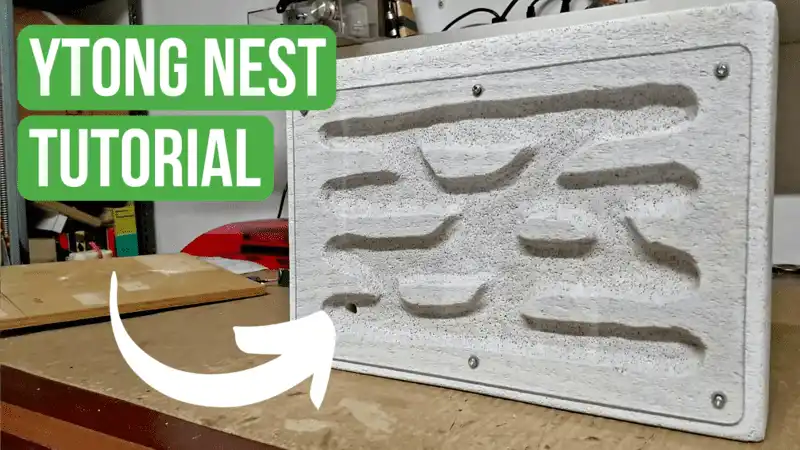
How To Make a Ytong Nest - Ant Keeping Tutorial
In this tutorial, you will learn how to make a Ytong nest for your ant colonies! This is one of the best nest types for many ant species!
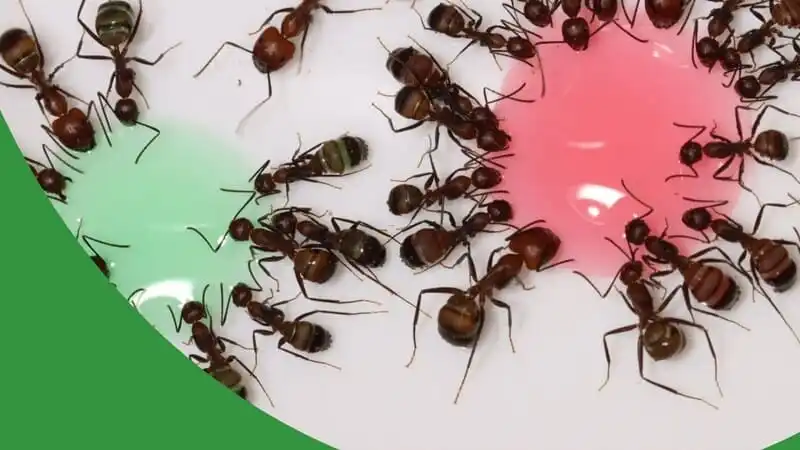
Is Sugar Bad For Ants? - The Ant Pod
Can too much sugar harm an ant colony? Jake and Lynn compare notes on their Camponotus colonies and explain why less sugar and more protein may be better.
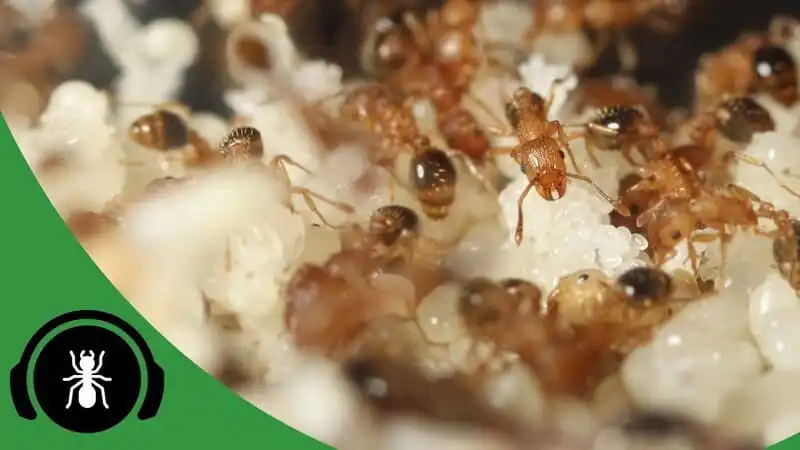
The Best Conditions To Keep Ants - The Ant Pod
Temperature, humidity and pests: heating mats, hydration setups, how to spot and control mites, and why the best setup mimics each species' natural habitat.
FAQs
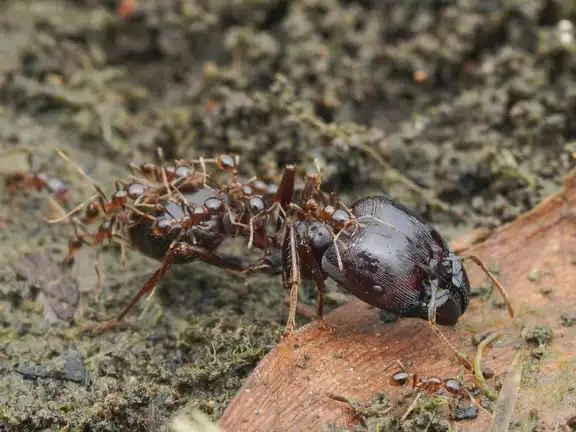
10They are repletes: workers whose abdomen is stretched by liquid food that foragers pass to them mouth to mouth. Unable to walk, they hang from the ceiling of the deep chambers as the colony's pantry, and in lean times other workers tap them with their antennae to be fed. In a wild Arizona nest the swollen abdomens measured 6 to 12 mm, and their color showed what they held: amber for sugars, milky for protein and oil from insect prey, clear for mostly water. In laboratory colonies, partly swollen workers appeared after about 50 days on average and fully swollen repletes after about 77 days on sugar water, but the range was wide, from two weeks to over seven months. One experienced keeper reports that the first real repletes only appeared with the second or third generation of workers, so be patient and keep the sugar flowing.
Mostly sweet liquids and dead insects. Workers forage alone, mainly at night, collecting nectar from flowers and cactus fruit, honeydew from aphids and mealybugs, and sugary juice from oak galls. Their protein comes largely from dead or dying arthropods, and in one study 110 of 145 food items were dead harvester ants of the species Pogonomyrmex occidentalis. They rarely hunt live prey, which is why small pre-killed insects suit them in captivity.
A queen founds alone, sealed in a chamber and living on her body reserves, and in captivity her first workers appeared about two months after the eggs were laid. Many keepers lose most of their founding queens, and keepers of several honeypot species lose colonies later too: one hears of queens dying at 30 to 70 workers, usually after repletes began dying, and another expects only about one colony in four to make it. Nobody has pinned down the reason. The most encouraging reports kept the queens in the dark and almost undisturbed, and several keepers found that queens given sand or dirt to dig in did better than queens in bare test tubes.
Myrmecocystus mexicanus workers measure 4–8 mm, with majors up to 9 mm, and the queen measures 12–15 mm.
Just one. Myrmecocystus mexicanus is monogyne: each colony has a single queen, so never put two queens together once the first workers arrive.
No. Myrmecocystus mexicanus has no sting: the workers bite and spray formic acid, which can sting small cuts.
In its native range, Myrmecocystus mexicanus usually flies in Jul – Sep. The weather decides the exact days.
Keep the Myrmecocystus mexicanus nest at 26–30 °C, with 40–60 % humidity in the brood chambers.
No. Myrmecocystus mexicanus stays active all year and does not need a winter rest.
Myrmecocystus mexicanus is not on the EU list of invasive alien species and is not protected in the countries we checked. Rules differ between countries and can change, so check your local laws first.
Sources and review
- 1
- 2Snelling (1976), Natural History Museum of Los Angeles County Science Bulletin 24: A revision of the honey ants, genus Myrmecocystus (type species and best studied honey ant: polymorphic workers, worker and queen measurements, range from central Mexico to Colorado and California, flights in the summer rains of Arizona, New Mexico and Colorado and after the first fall rains in southern California, alates in nests from June to September, a scavenger more than a hunter)
Paper · Taxonomy, Biology, Distribution, Nuptial flights
- 3
- 4
- 5Wikipedia: Myrmecocystus mexicanus (summary of the Conway studies: flights in late July after rain, queen founding, typical colony size, colony lifespan, diet)
Reference · Taxonomy, Biology, Distribution, Nuptial flights
Showing 5 of 37 sources
Last reviewed
- BiologyWell documented
- Care valuesKeeper consensus
- Nuptial flightsKeeper consensus
Legal status
Not on the EU list of invasive alien species and not protected in the countries we checked. Rules differ between countries and can change, so check your local laws before buying or collecting a queen.
Checked on October 11, 2026
All values are starting points: watch your colony and adjust. Found something wrong or missing?
Suggest a correction