Hibernation
Definition
The period of winter rest that ant keepers give to colonies from temperate climates, keeping them cool for a few months so the queen and the brood can pause, as they would in the wild.

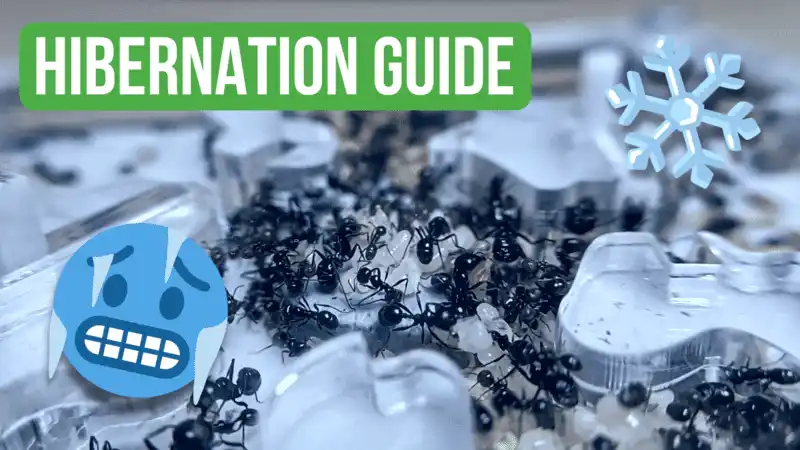
Hibernation is the word ant keepers use for the cold rest period that colonies from temperate climates go through in winter. Ants are cold-blooded, so when the temperature drops their metabolism slows down drastically. The queen stops laying eggs, the brood stops developing, and the colony waits for spring in a safe, sheltered spot.
Strictly speaking, the biological name for this pause in insects is diapause, but in the hobby "hibernation" is by far the most common term, and I use it too.
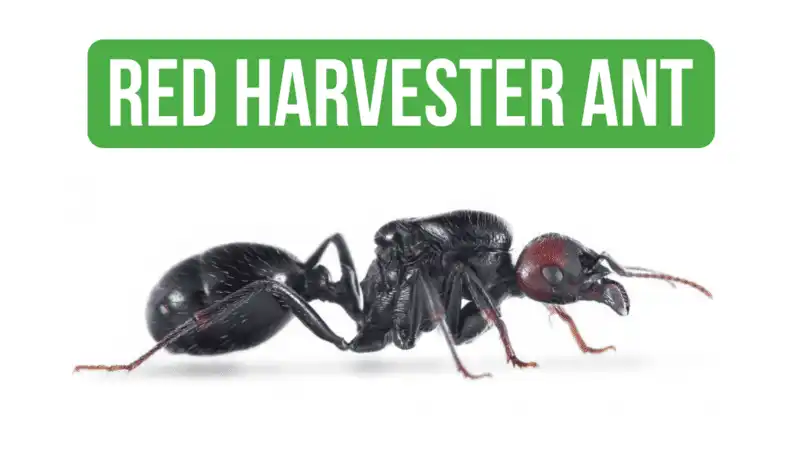
Most species can survive without it, but skipping it has a price: the queen's lifespan, and so the lifespan of the whole colony, can drop for every year without a proper rest. Lasius niger, for example, hibernates from around late October to late March at about 10 °C, while Messor barbarus prefers around 15 °C. Many exotic species from warm regions don't hibernate at all.
In practice
- Check the needs of your species before winter: timing, temperature and whether it hibernates at all.
- You can use an unheated garage or basement, or a fridge set to the right temperature. A thermometer helps you keep an eye on it.
- Small colonies in test tube setups are the easiest to hibernate. A cardboard test tube holder keeps them from rolling around.
- Leave the colony undisturbed during the rest. They barely eat, so you only need to make sure the water hasn't run out.