Dinomyrmex gigas
(Latreille, 1802)
Giant forest ant
A night-active giant of the Southeast Asian rain forests, whose sprawling colonies settle border disputes with ritual tournaments between big-headed majors.
Compiled from published sources and keeper reports: I haven't kept this species myself, so treat the care values as starting points.
At a glance
- Nest temperature
- ≈ 22–26 °CIn the nest
- Nest humidity
- ≈ 70–90 %In the nest
- Hibernation
- Not needed
- Nuptial flights
- No data yetEvening flights
- Workers
- ≈ 18–25 mmmajors up to 30 mm
- Queen
- ≈ 30–32 mmOne queen
- Colony size
- No data yetGrowth: Moderate
- Escape risk
- MediumKeep an escape barrier on the outworld
How to recognize it
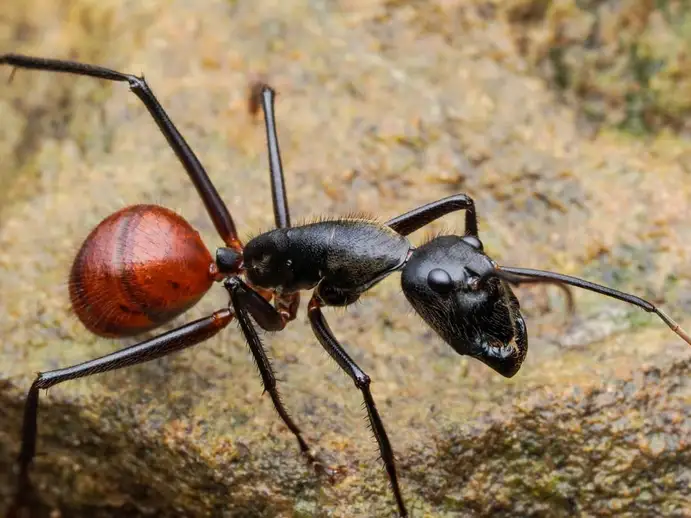
The sheer size gives it away: slender black ants with long legs and antennae, an orange to reddish-brown gaster, and two kinds of workers, smaller minors and larger majors with a much bigger head. It is one of the largest ants in the world, and the subspecies from South Borneo has yellow legs.
- Workers18–25 mm
- Majors≤ 30 mm
- Queen30–32 mm
mm
Biology
- Queens
- One queenEach colony has a single queen: never put two queens together once the first workers arrive.In the glossary
- Colony founding
- Fully claustralThe queen raises her first workers without eating, living off her wing muscles and fat reserves.In the glossary
- Workers
- Minors and majorsThe workers come in two distinct castes: small minors and big-headed majors.In the glossary
- Defense
- Bites · Sprays formic acidNo sting: the workers bite and spray formic acid, which can sting small cuts.
Native range
- Asia
Brunei, Indonesia, Malaysia, Singapore, Thailand
Taxonomy
Formicinae › Camponotini
Dinomyrmex
Care at a glance
Difficulty
Why this rating
- Makes it easier: Fully claustral: the queen needs no food until her first workers arrive
- Makes it easier: No hibernation to manage
- Makes it harder: Curious workers: keep an escape barrier on the outworld
Food
- Sugar
- Insects
Sugar or honey water for the workers, and insects as protein for the queen and the brood.
Best nests
- 1Naturalistic setup
- 2Ytong nest
- 3Wooden nest
Notes from keepers
Watch out
Keep it moderately warm and very humid rather than hot. The one peer-reviewed rearing used plaster nests at a steady moderate temperature with very humid air, and keepers who reached the first workers used a dark, humid container. Some shops advise a warmer nest, but others warn that this nocturnal forest ant copes badly with heat.
Tip
Plan for several connected nests instead of one block. In nature a colony spreads over many mostly underground nests joined by trails, with the queen in a central one, and the German species directory describes its space needs as extreme.
Tip
Keep a sugar source on offer at all times and add small insects in the evening. Foragers in the wild bring home mostly honeydew, with only a little prey and bird droppings, and the colony leaves its nest at dusk to forage through the night.
Watch out
Expect a slow start and very few role models. In the one documented founding experiment, a queen had only a handful of workers many months after she was caught, hobby queens are wild-caught and travel badly, and keepers describe it as one of the hardest ants to get going, so ask the seller for recent, well-documented stock.
Related posts
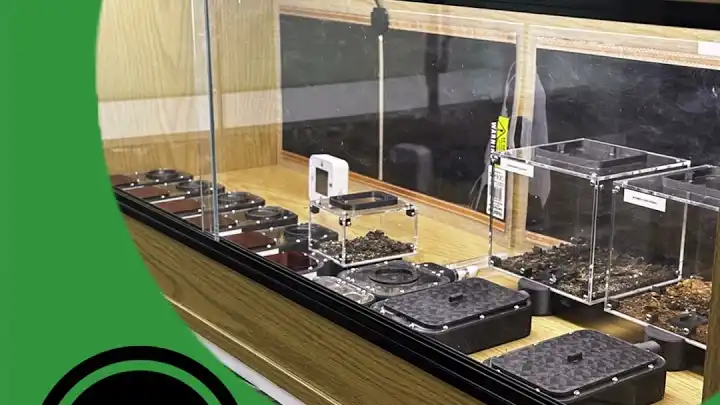
You Should Have A Vivarium! - The Ant Pod
Why a vivarium (VIF) is worth it for exotic ants: heat wires with thermostats, probe placement and how to get your colonies through a heatwave.
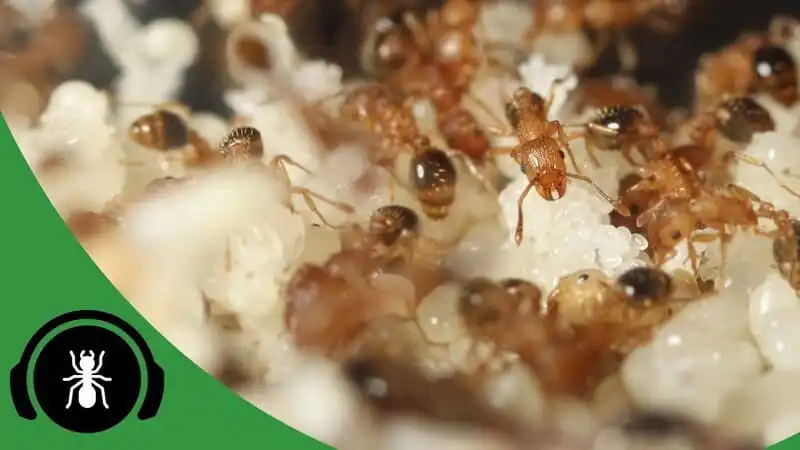
The Best Conditions To Keep Ants - The Ant Pod
Temperature, humidity and pests: heating mats, hydration setups, how to spot and control mites, and why the best setup mimics each species' natural habitat.
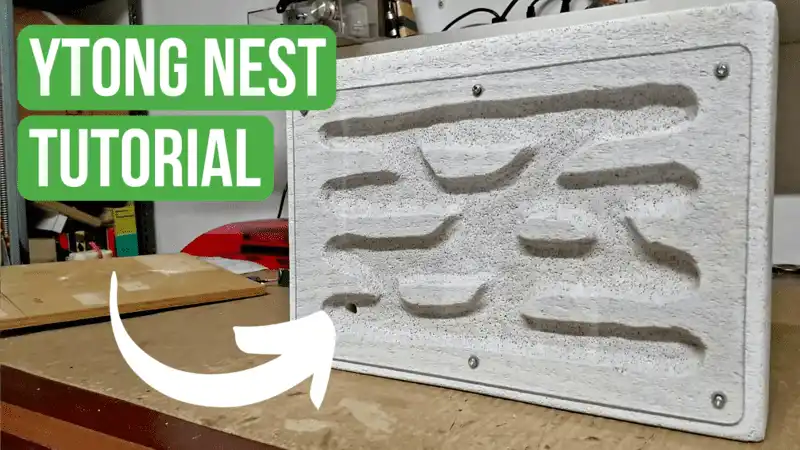
How To Make a Ytong Nest - Ant Keeping Tutorial
In this tutorial, you will learn how to make a Ytong nest for your ant colonies! This is one of the best nest types for many ant species!
FAQs
9Yes. Latreille described it in 1802 as Formica gigas, and it was long listed as Camponotus gigas. In 2016 Ward, Blaimer and Fisher resurrected the genus Dinomyrmex, which Ashmead had named in 1905, because DNA showed that this ant sits on its own lineage, separate from both Camponotus and Colobopsis. Many shops, forums and older papers still use the old name.
Thousands, but spread out. In a rain forest in Borneo the best-studied colony had roughly 7,000 workers living in an average of 11 mostly underground nests over about 0.8 hectares, with the queen in one central nest. A single log nest opened in Brunei held 834 ants, 45 of them majors. Almost nothing is known about captive colonies: in the one documented founding experiment, the queen had six workers ten months after she was caught.
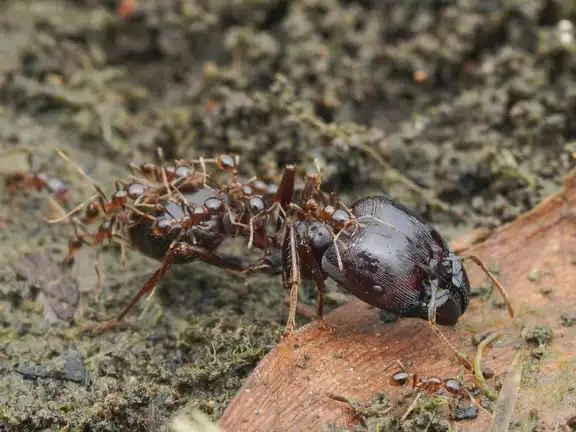
It is how neighboring colonies of the same species settle their borders without costly wars. Researchers in Borneo saw majors meet at fixed places and box each other with their front legs, night after night, while small groups of majors stood guard at key points such as the bases of foraging trees. Fights with other Camponotus species, by contrast, were violent and bloody, and the ants also sprayed acid.
Dinomyrmex gigas workers measure 18–25 mm, with majors up to 30 mm, and the queen measures 30–32 mm.
Just one. Dinomyrmex gigas is monogyne: each colony has a single queen, so never put two queens together once the first workers arrive.
No. Dinomyrmex gigas has no sting: the workers bite and spray formic acid, which can sting small cuts.
Keep the Dinomyrmex gigas nest at 22–26 °C, with 70–90 % humidity in the brood chambers.
No. Dinomyrmex gigas stays active all year and does not need a winter rest.
Dinomyrmex gigas is not on the EU list of invasive alien species and is not protected in the countries we checked. Rules differ between countries and can change, so check your local laws first.
Sources and review
- 1
- 2
- 3
- 4
- 5
Showing 5 of 27 sources
Last reviewed
- BiologyWell documented
- Care valuesFew sources
- Nuptial flightsWell documented
Legal status
Not on the EU list of invasive alien species and not protected in the countries we checked. Rules differ between countries and can change, so check your local laws before buying or collecting a queen.
Checked on October 11, 2026
All values are starting points: watch your colony and adjust. Found something wrong or missing?
Suggest a correction