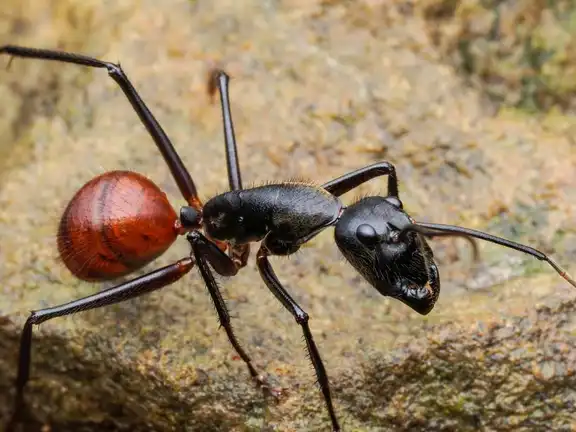
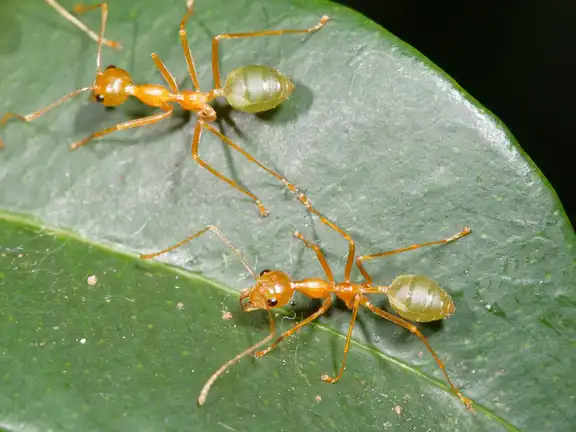
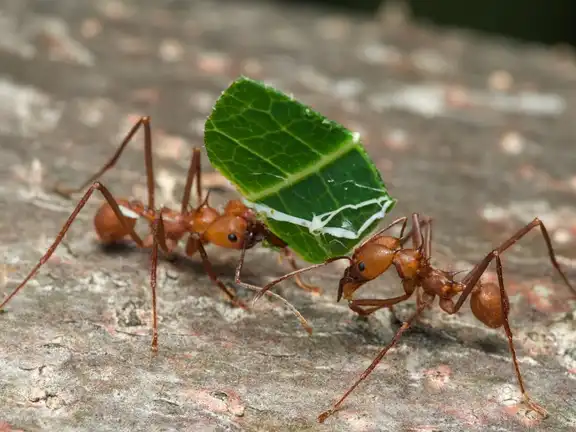
Carebara diversa
(Jerdon, 1851)
Asian marauder ant
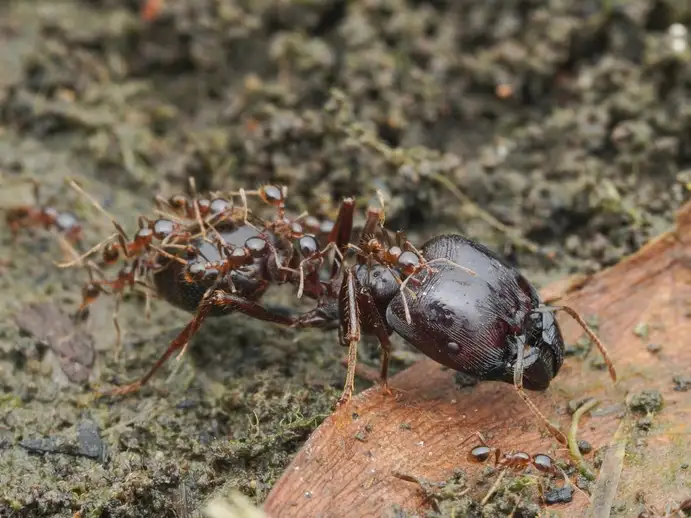
A raiding marauder whose columns of tiny workers and giant-headed majors look like army ants, with the smallest workers riding on the biggest.
Compiled from published sources and keeper reports: I haven't kept this species myself, so treat the care values as starting points.
At a glance
- Nest temperature
- ≈ 26–30 °CIn the nest
- Nest humidity
- ≈ 60–80 %In the nest
- Hibernation
- Not needed
- Nuptial flights
- No data yet
- Workers
- ≈ 2–9 mmmajors up to 15 mm
- Queen
- ≈ 19–25 mmOne or more queens
- Colony size
- ≈ Reaches 10,000 workersGrowth: Fast
- Escape risk
- HighEscape artists: use a closed outworld and a good barrier
How to recognize it
Workers come in every size, from tiny yellowish-brown minors to big reddish-brown to blackish majors with almost square, powerful heads, and the queen dwarfs them all. Keepers often confuse it with the similar Carebara affinis, and the Asian Carebara of this type have not been thoroughly revised, so colonies sold under this name are not always confirmed to species level.
Often confused with
- Carebara affinis
- Workers2–9 mm
- Majors≤ 15 mm
- Queen19–25 mm
mm
Biology
- Queens
- One or more queensNew colonies usually start with a single queen, but many grow to hold several queens living together.In the glossary
- Colony founding
- Fully claustralThe queen raises her first workers without eating, living off her wing muscles and fat reserves.In the glossary
- Workers
- Many sizesThe workers come in a continuous range of sizes, from small minors to large majors.In the glossary
- Defense
- BitesNo sting: the workers defend the colony by biting.
Native range
- Asia
Cambodia, China, India, Indonesia, Laos, Malaysia, Myanmar (Burma), Philippines, Singapore, Sri Lanka, Taiwan, Thailand, Vietnam
Taxonomy
Myrmicinae › Crematogastrini
Carebara
Care at a glance
Difficulty
Why this rating
- Makes it easier: Fully claustral: the queen needs no food until her first workers arrive
- Makes it easier: No hibernation to manage
- Makes it harder: A real escape artist that needs an escape-proof setup
- Makes it harder: Needs constant warmth all year round
- Makes it harder: Colonies get huge and need room to expand
Food
- Insects
- Sugar
Sugar or honey water for the workers, and insects as protein for the queen and the brood.
Best nests
- 1Naturalistic setup
- 2Ytong nest
Notes from keepers
Watch out
Do not start small. Keepers report that lone queens are very hard to raise and that colonies of only a few hundred workers often thrive for the first months and then fade after most of a year, as the short-lived minors stop being replaced, so an established colony with plenty of brood is the safer start.
Tip
Give them a deep soil nest, or a soil and Ytong mix, that stays moist but well ventilated, and let the ants dig and shape it themselves. Keep at least one chamber always wet, because a dried-out colony can die within a day, and boil garden soil first to avoid mites and mold.
Watch out
The minors slip through gaps you cannot see, and a thick layer of grease or oil can be chewed through and can also harm the tiniest workers, so rely on gap-free construction and a thin, clean barrier. Remove leftover food within a day, because the species is prone to mites.
Tip
Offer heat from one side only, with a small warm spot and a cooler zone so the ants can choose, and never put a heat mat right under the nest, which keepers call a big mistake. A colony kept a few degrees too cool shrank for weeks until its keeper warmed it again.
Related posts
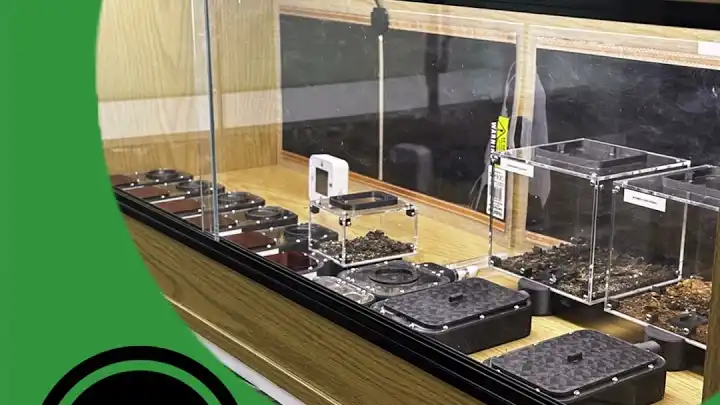
You Should Have A Vivarium! - The Ant Pod
Why a vivarium (VIF) is worth it for exotic ants: heat wires with thermostats, probe placement and how to get your colonies through a heatwave.
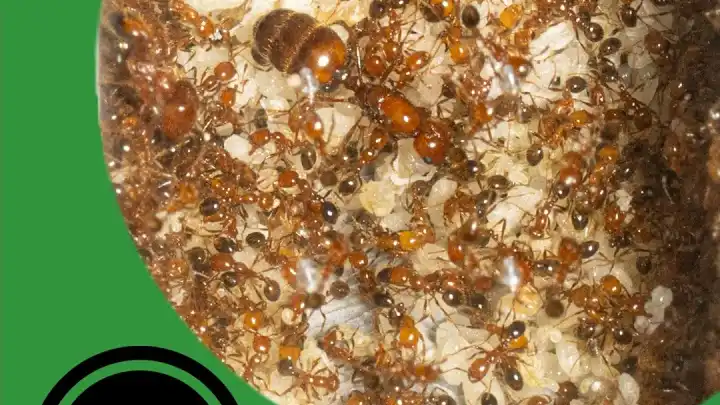
When Ant Colonies Grow Out of Control! - The Ant Pod
What do you do when an ant colony gets too big? Lynn, Jake and Alex cover overcrowding, cleaning large outworlds, diet control and downsizing.
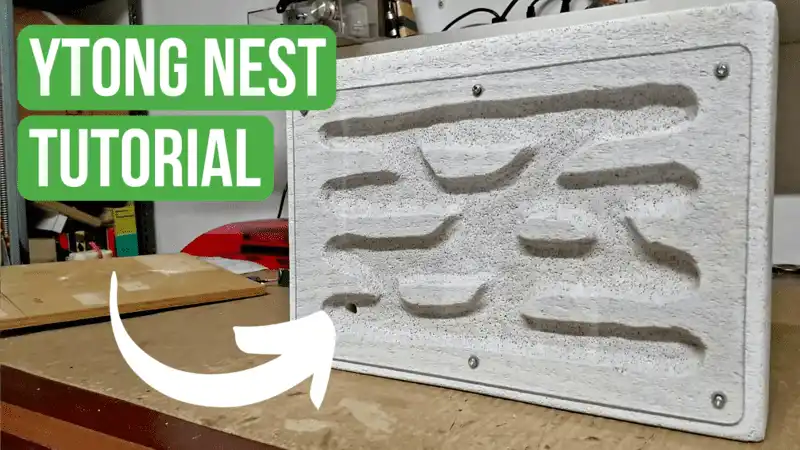
How To Make a Ytong Nest - Ant Keeping Tutorial
In this tutorial, you will learn how to make a Ytong nest for your ant colonies! This is one of the best nest types for many ant species!
FAQs
9No, although shops often sell it as the Asian army ant. Its workers hunt in group raids, in long columns and broad swarms, just like army ants, and they can overpower prey far bigger than themselves. But it belongs to a different subfamily, and its colonies are not born by splitting in two: a winged queen mates in a nuptial flight, sheds her wings and digs a chamber in the soil, where she lays her first eggs. A colony also moves to a new nest only now and then, far less regularly than the truly nomadic army ants.
Both. In the wild about half of its diet is plant material, including seeds, nuts and fruit, and the rest is prey that ranges from springtails to grasshoppers, scorpions and small frogs. Keepers see the same split: colonies take seeds eagerly, especially in a dry spell, but a growing colony also eats a great deal of live or freshly killed insects, so never rely on seeds alone.
Nearly all the workers of a wild colony, which can number in the hundreds of thousands, are minors, and they are often seen hitching a ride on the large majors along the foraging trails, sometimes in a crowd. This is thought to save the small workers energy. It also shows how the work is divided: the tiny minors search for food, swarm over prey and haul most loads, while the bigger workers do the heavy jobs, such as delivering the crushing bite to large prey, clearing fallen debris from the trails and carrying brood when the colony moves house.
Carebara diversa workers measure 2–9 mm, with majors up to 15 mm, and the queen measures 19–25 mm.
One or more. Carebara diversa colonies are usually founded by a single queen, but many end up with several queens living together.
No. Carebara diversa cannot sting: the workers defend the colony by biting.
Keep the Carebara diversa nest at 26–30 °C, with 60–80 % humidity in the brood chambers.
No. Carebara diversa stays active all year and does not need a winter rest.
Carebara diversa is not on the EU list of invasive alien species and is not protected in the countries we checked. Rules differ between countries and can change, so check your local laws first.
Sources and review
- 1
- 2
- 3
- 4Catalogue of Life: Carebara diversa (Jerdon, 1851), Myrmicinae, Crematogastrini
Reference · Taxonomy
- 5
Showing 5 of 32 sources
Last reviewed
- BiologyKeeper consensus
- Care valuesKeeper consensus
- Nuptial flightsFew sources
Legal status
Not on the EU list of invasive alien species and not protected in the countries we checked. Rules differ between countries and can change, so check your local laws before buying or collecting a queen.
Checked on October 11, 2026
All values are starting points: watch your colony and adjust. Found something wrong or missing?
Suggest a correction